The 1970s File Feature
Looking Through The Eyes Of Love
The Story Behind The Partridge Family's Looking Through The Eyes Of Love A Television Family Band Continues Its Chart Run By the end of 1972, The Partridge F…
01 The Story
The Story Behind The Partridge Family's "Looking Through The Eyes Of Love"
A Television Family Band Continues Its Chart Run
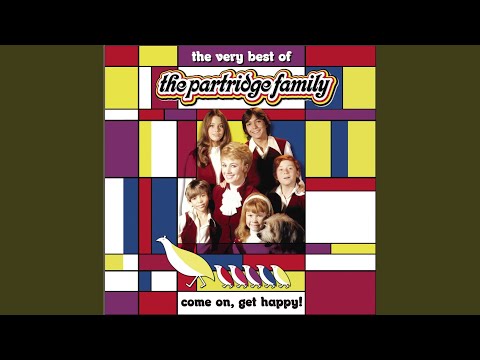
By the end of 1972, The Partridge Family, the fictional musical family brought to life through a hit television series and anchored by its two credited performers, had already established a remarkably consistent presence on the American pop charts. This single continued that ongoing commercial run, offering another entry in the group's catalog of polished, radio-friendly pop built around warm vocal harmonies and accessible romantic themes.
The Television-to-Radio Pipeline in Full Effect
The group's music benefited enormously from its direct connection to a popular weekly television series, giving each new single an existing built-in audience already familiar with the characters and performers involved. This track continued that successful cross-promotional strategy, arriving with a level of guaranteed visibility that few purely musical acts could match during this same period.
A Genuine Chart Success
The single debuted on the Billboard chart on December 16, 1972, and climbed steadily over the following weeks to reach a peak position of number 39 during the week of January 27, 1973. The song enjoyed a solid chart run of eight weeks total, another genuinely successful placement within the group's impressively consistent string of early-1970s hits.
Part of a Broader Teen Pop Phenomenon
This release arrived during a period when television-connected musical acts wielded considerable influence over teen pop culture, with young audiences eager to purchase records tied to their favorite weekly programs. The group's continued chart success throughout this stretch reflected just how effectively that television-driven marketing model could translate into genuine, repeated commercial success.
Polished Pop Songwriting Behind the Scenes
Despite the group's fictional television origins, the actual songwriting and production behind their singles involved experienced professional craftspeople working to create genuinely catchy, well-constructed pop material. This song reflects that behind-the-scenes professionalism, delivering a polished melodic structure that held up on its own merits beyond any television tie-in.
A Voice Built for Warm, Accessible Pop
The lead vocal performance throughout this recording carries a warm, sincere quality that helped the group's music connect with young audiences beyond simply capitalizing on television familiarity. That vocal sincerity gave even lightweight pop material like this song a genuine emotional accessibility.
Professional Songwriting Behind a Familiar Television Face
Working behind the scenes, experienced professional songwriters and producers shaped every element of the group's recorded output, ensuring that even material tied closely to a weekly television series met genuine professional pop standards. That combination of television visibility and disciplined songwriting craft helped sustain the group's commercial success well beyond a typical novelty act's shelf life.
A Charming Piece of Early-1970s Pop Culture
Today, the song remains an enjoyable artifact of a period when television and popular music intersected especially closely, offering listeners a glimpse into how effectively that combination could generate sustained commercial success. Press play and you can hear exactly the warm, accessible pop sound that made this fictional family band a genuine chart presence. Retailers reported strong single sales specifically among younger fans eager to own recordings tied directly to their favorite ongoing television storylines, reinforcing just how powerfully that cross-media marketing strategy continued driving genuine commercial results throughout this period. Music historians studying television-driven pop phenomena of the early 1970s often cite recordings like this one as key evidence of just how commercially powerful that combined media strategy genuinely was, especially when paired with reliably well-crafted songwriting behind the scenes. That lasting historical interest, still discussed by pop culture writers examining the broader phenomenon of television tie-in music today, speaks to just how genuinely influential this particular commercial formula proved to be across the wider entertainment industry throughout the entire decade. That small but telling detail continues to matter to pop culture historians revisiting this era in detail.
"Looking Through The Eyes Of Love" — The Partridge Family's singular moment on the 1970s charts.
02 Song Meaning
What "Looking Through The Eyes Of Love" by The Partridge Family Is Really About
Love as a Transformative Lens
At its core, this song explores the idea that romantic love fundamentally changes how a person perceives the world around them, using the central metaphor of looking through a different set of eyes to describe that transformative shift in perspective. Ordinary experiences become richer and more vivid once filtered through genuine affection.
An Earnest, Youthful Vocal Delivery
The lead vocal performance brings a sincere, youthful earnestness to this theme of transformative love, treating the sensation with genuine wonder rather than knowing cynicism. That sincerity suited the group's broader appeal to a young television audience experiencing many of these romantic feelings for the first time themselves.
Simplicity as an Accessible Songwriting Strategy
The song's straightforward lyrical approach, avoiding complex metaphor in favor of a single clear central image, made its message immediately accessible to a broad, largely young listening audience. That accessibility reflects the broader songwriting philosophy behind much of the group's catalog throughout this period.
Optimism as an Emotional Throughline
Unlike songs exploring heartbreak or romantic uncertainty, this track radiates uncomplicated optimism, presenting love as something that enriches and clarifies life rather than complicating it. That hopeful tone matched the broader family-friendly sensibility associated with the group's television origins and overall public image.
A Reflection of Early-1970s Pop Romanticism
This song fits comfortably within a broader early-1970s pop tradition of gentle, uncomplicated romantic songwriting, offering listeners emotional warmth without deeper complexity or ambiguity. That straightforward romanticism helped the song connect immediately with its intended teenage audience.
The Universal Appeal of a Simple Metaphor
The song's central image, of perception itself shifting under the influence of genuine affection, remains an intuitively understandable metaphor regardless of listener age or musical era. That universal accessibility helped the song resonate broadly despite its relatively simple lyrical construction.
Innocence as an Intentional Artistic Choice
The song's gentle, uncomplicated romantic optimism reflects a deliberate artistic choice suited to its television origins, prioritizing wholesome accessibility over more complex emotional exploration favored elsewhere on the era's pop charts. That intentional simplicity helped the song connect directly with its intended young audience through genuine, unguarded sincerity.
Why the Sentiment Still Connects
Even decades after its original release, the song's central idea that love changes how we see the world remains an appealing, relatable sentiment for listeners of any generation. Its earnest, uncomplicated delivery ensures that message continues to feel genuine rather than merely simplistic. That deliberate emotional simplicity also made the song especially easy for young fans to sing along with during repeated television airings. Decades later, listeners rediscovering the song through streaming or nostalgic television reruns still find its central message just as easy to embrace, a testament to how effectively simple, sincere songwriting can outlast its original cultural moment entirely.
→ More from The Partridge Family Starring Shirley Jones Featuring David Cassidy
View all The Partridge Family Starring Shirley Jones Featuring David Cassidy hits →
→ More from the 1970s File
View all 1970s hits →




Keep digging