The 1970s File Feature
The Proud One
The Proud One — The Osmonds' Mature Turn A Family Band Seeking New Ground By the summer of 1975, the landscape around The Osmonds had shifted considerably fr…
01 The Story
The Proud One — The Osmonds' Mature Turn
A Family Band Seeking New Ground
By the summer of 1975, the landscape around The Osmonds had shifted considerably from the peak of their early-decade popularity. Donny Osmond had become the focal point of teenage adoration with his solo work, and the group had experimented with the progressive rock ambitions of their 1973 album The Plan. Now, in the mid-seventies, the family group was navigating the complicated territory between their fan base's lingering loyalty and an industry that had already moved on to new obsessions. The Proud One represented an attempt to hold that audience while reaching for something more substantial.
The Osmonds had always been technically accomplished musicians, a fact that sometimes got lost beneath the teen idol machinery surrounding them. Wayne, Merrill, Jay, and Alan had genuine vocal ability and instrumental proficiency; their Mormon upbringing in Ogden, Utah had produced an ensemble with unusual discipline and cohesion. These qualities served The Proud One well, giving the track a polish and sincerity that more manufactured pop could not have managed.
Production and Sound
The track was produced under the guidance of Mike Curb, who had been involved with the group's commercial direction through MGM Records. The arrangement sits in the soft rock/pop territory that dominated the mid-seventies AM dial, with layered harmonies that drew on the group's natural strengths and a melodic line that favored emotional directness over stylistic novelty. The production values reflect 1975's mainstream pop standards: clean, well-recorded, radio-ready without being aggressively commercial.
The song itself is a straightforward meditation on wounded pride and personal strength. Thematically it was a departure from the straightforwardly romantic material that had defined the group's earlier hits. The Osmonds were making an argument, through their song selection, that they were capable of addressing more complex emotional territory. Whether the audience accepted that argument on its own terms or filtered it through their existing affection for the group is an interesting question, but the chart performance suggests the message landed either way.
Billboard Performance Through the Summer
The single debuted on the Billboard Hot 100 on July 26, 1975 at position 75, then moved steadily upward through August and into September. From 65 to 52 to 42 to 34, it climbed with consistency, ultimately peaking at number 22 on September 20, 1975. The track spent 11 weeks on the chart in total. A top-25 placement in the summer of 1975 was respectable for any act; for a group whose commercial peak had arguably passed, it demonstrated continued relevance in a competitive environment.
The track also reached a significant position on the adult contemporary chart, reflecting the Osmonds' ability to appeal across demographic lines. The teen fans who had screamed for Donny were aging into the adult contemporary audience, and The Proud One offered something appropriate for that transition: earnest, emotionally legible pop that did not embarrass the listener who had grown up a few years since their peak Osmond-mania.
The Group in Context
In 1975, the pop landscape was crowded with acts navigating similar identity questions. What did you do after the peak? The Osmonds' answer was to lean into craft and sincerity rather than chasing whatever trend had replaced them in the chart hierarchy. The Proud One reflects that choice. It does not sound like an act trying to be something it is not; it sounds like a group drawing on its genuine strengths and delivering a well-made record in a style it understood from the inside.
That approach produced a longer commercial run than many contemporaries who chased trends unsuccessfully. The Osmonds continued charting through the late seventies, and individual members sustained solo careers. The family's ability to adapt without losing their core identity is one of the more interesting stories in the era's pop history.
A Quiet Chapter Worth Remembering
History tends to remember The Osmonds primarily through the prism of their early-seventies peak and the solo career of Donny Osmond. The Proud One represents a quieter chapter: a group trying, with genuine effort and real musical skill, to stay relevant and to say something with a little more weight than the hits that had made them famous. That effort deserved more credit than it typically receives. The song holds up as a craftsman's piece of mid-seventies pop, honestly made and warmly sung. Put it on and listen to what professional harmony singing sounded like when it was deployed in service of a song with something real to say.
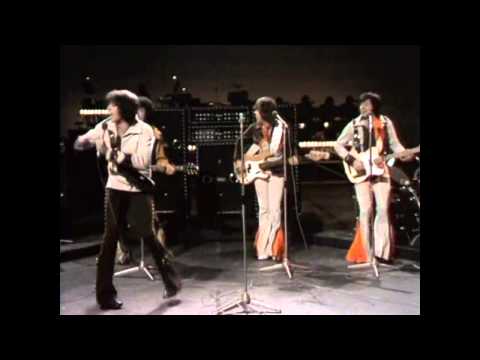
"The Proud One" — The Osmonds' singular moment on the 1970s charts.
02 Song Meaning
The Proud One — Self-Respect as a Pop Theme
Pride as an Emotional Subject
Pop music has always been more comfortable with love than with pride. The romantic lyric is universal currency, easily understood across cultural contexts and demographic lines. A song about pride, about wounded self-regard and the effort required to maintain it, is harder to execute because it risks coming across as either self-pitying or boastful. The Osmonds navigated this with genuine care on The Proud One, producing a song whose emotional subject is unusual for mainstream pop and whose treatment of that subject is handled with enough restraint to resonate rather than alienate.
The Wounded Dignity Theme
The lyrical territory the song occupies is about maintaining composure and self-respect in a situation that has challenged both. The narrator is someone who has been through something difficult, who has been diminished or dismissed in some way, and who is asserting their continuing sense of worth. This is not bravado; it is something quieter and more complicated. The emotional texture is one of recovery rather than triumph, of someone rebuilding their sense of themselves after a blow.
This theme carried particular resonance in 1975, when the cultural mood in America was itself one of difficult recovery. The Vietnam War's end was only months away; Watergate had eroded institutional trust; the economic disruptions of the oil crisis were still being absorbed. Songs about maintaining dignity under pressure spoke to something in the collective atmosphere, even when they were framed as personal narratives rather than political ones.
The Osmonds as Carriers of This Message
There is an interesting match between the song's theme and the group performing it. By 1975, The Osmonds were themselves in the position of having to maintain their identity and dignity in an industry that had largely moved on from their peak. The authenticity of the performance may owe something to that circumstance. The group understood, from their own professional experience, what it felt like to be in the position the song's narrator describes: still standing, still committed, still proud even when the external validation had thinned.
Their famous vocal harmonies served the song's emotional argument particularly well. Harmony singing, by its nature, is about multiple voices choosing to support a single melody, about individual voices submitting to collective purpose. There is something quietly expressive about a family group singing about personal pride; the collective nature of the performance adds a layer of meaning to a lyric about individual self-regard.
Why It Reached Its Audience
The peak of number 22 on the Billboard Hot 100 in September 1975 reflects a song that found its audience through genuine connection rather than novelty. The Osmonds were not offering anything unprecedented in formal terms; the arrangement, the production, the song structure were all firmly within the conventions of mid-seventies mainstream pop. What they offered was a sincere emotional statement, delivered with technical skill and real feeling, on a subject that mattered to the people who heard it.
That combination, sincerity plus craft plus a theme with real emotional weight, is what durable pop music is made of. The song's chart longevity, 11 weeks on the Hot 100, reflects an audience that kept returning to it rather than one-time curious listeners. Something in it was worth hearing more than once.
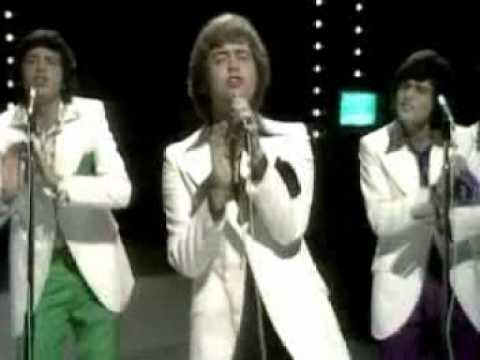
"The Proud One" — The Osmonds' singular moment on the 1970s charts.
→ More from The Osmonds
View all The Osmonds hits →

→ More from the 1970s File
View all 1970s hits →




Keep digging