The 1970s File Feature
The Bells
The Bells: The Originals, Marvin Gaye, and a Motown Soul Masterpiece "The Bells," recorded by The Originals for Soul Records , a Motown subsidiary, in 1970, …
01 The Story
The Bells: The Originals, Marvin Gaye, and a Motown Soul Masterpiece
"The Bells," recorded by The Originals for Soul Records, a Motown subsidiary, in 1970, stands as one of the most distinctive and emotionally resonant recordings to emerge from the Motown organization during one of its most creatively fertile periods. The song was produced and co-written by Marvin Gaye, who was simultaneously developing his own artistic vision that would culminate in the landmark album What's Going On in 1971. Gaye's involvement gave "The Bells" a depth and sophistication that set it apart from the standard Motown assembly-line production, and his touch can be heard throughout in the arrangement, the vocal direction, and the overall emotional atmosphere of the recording.
The Originals were a vocal group that had been part of the Motown family since the mid-1960s, often working in a background capacity on other artists' recordings before achieving their own commercial success. The group included C.P. Spencer, Hank Dixon, Walter Gaines, and Freddie Gorman, and their combined vocal talents gave Gaye material that he could shape into something genuinely unusual for the Motown sound of the period. Where much of Motown's output was characterized by crisp, upbeat rhythms and tightly controlled productions designed for maximum radio impact, "The Bells" moved in a different direction, toward a more contemplative, atmospheric sound that anticipated the direction soul music would take in the early 1970s.
Marvin Gaye's production on "The Bells" was notably restrained by the standards of Motown at the time. He used space and dynamics in ways that the label's earlier producers, including Holland-Dozier-Holland, had generally avoided in favor of density and immediacy. The arrangement allowed the vocal performances room to breathe, giving the recording a quality closer to a gospel performance or a spiritual than to the dance-oriented soul that Motown had built its commercial empire on. This approach reflected where Gaye himself was headed artistically, toward a more personal and socially conscious music that would mark his transformation from a reliable hit-maker into one of the most important artists in soul music history.
"The Bells" reached number four on the Billboard R&B singles chart and made a modest showing on the Hot 100, confirming that the song's more reflective approach had not prevented it from connecting with a substantial audience. The R&B chart performance was particularly significant, suggesting that Black radio audiences were ready for and responsive to soul music that moved beyond the celebration and romantic drama that had defined the genre's commercial mainstream. The song arrived at a moment when soul audiences were beginning to demand more complex emotional and spiritual content from their music, a demand that Gaye himself would help to satisfy with his own recordings in the years that followed.
The recording's place within the Motown catalog was unusual. The label's founder, Berry Gordy, had built Motown's commercial success on a formula of polished, upbeat productions designed to appeal to the broadest possible audience, and he was generally skeptical of material that he felt might be too downbeat or uncommercial for mainstream radio. That "The Bells" was released and promoted at all reflected the increasing creative autonomy that some Motown artists and producers were claiming for themselves in the early 1970s, as the label's artistic center of gravity began to shift away from the rigid quality-control process that had defined the earlier years.
Gaye's co-writing on the song placed it within a creative trajectory that included several other recordings he produced for other Motown artists during this period, all of which showed a similar move away from commercial calculation toward something more personal and exploratory. His work with The Originals can be understood as a laboratory in which he was testing the approaches that would fully emerge in his own recordings, using the group's formidable vocal talents to explore arrangements and emotional territories that the standard Motown production model did not accommodate.
The song's production techniques were ahead of their time in several respects, particularly in the way they used the rhythm section not as the primary driver of the recording but as a subtle support structure beneath the vocal performances and atmospheric arrangement. This approach would become far more common in soul and R&B productions through the 1970s, but in 1970 it represented a genuine departure from convention. In this sense, "The Bells" was both a product of its moment and a preview of where the music was going.
Retrospective assessments of the recording have consistently recognized its importance as an early example of what would become known as classic soul balladry, a style that prioritized emotional depth and vocal expressiveness over commercial formula. The song stands as evidence of the creative energy that was building within the Motown organization in the early 1970s, an energy that would soon produce some of the most important recordings in American popular music history.
02 Song Meaning
Spiritual Weight and Earthly Love: The Meaning of "The Bells"
"The Bells" occupies unusual emotional and spiritual territory within the soul tradition. The song draws on the imagery of bells as markers of sacred time and communal celebration, wedding them to a narrative about love and commitment that acquired, through the Originals' performance and Marvin Gaye's production, an almost devotional quality. The recording does not treat romantic love as a merely personal matter but suggests that it participates in something larger, something connected to the rituals and shared meanings that communities build to mark their most important moments.
Gaye's production choices reinforced this thematic content. The atmospheric, spacious arrangement gave the recording a quality that was closer to a meditation or a prayer than to a conventional pop or soul performance. The deliberate pacing, the restrained rhythm section, and the way the vocal performances were allowed to unfold without being pressed by an insistent beat all contributed to a sense that the song was operating in a time outside of ordinary time, in the kind of suspended, heightened awareness that accompanies important ceremonies and transitions.
The Originals' vocal performances matched the production in their restraint and depth. Rather than showcasing technical virtuosity for its own sake, the singers subordinated individual display to the collective emotional statement, creating a unified sound that felt less like a performance and more like a testimony. This collective approach connected the recording to the gospel tradition from which so much of soul music derived its emotional power, the tradition of voices joined together in shared expression of feeling too large for any individual to contain alone.
Within the context of what Marvin Gaye was developing artistically in the early 1970s, "The Bells" takes on additional significance as evidence of the direction his creative thinking was taking. The same impulses that would produce "What's Going On," that concern with spiritual depth, with communal experience, with the emotional landscape beneath the surface of daily life, were already present in the production choices he made for this recording. The Bells can be read as a rehearsal for the more fully realized artistic vision that Gaye would express in his own recordings over the next several years.
For audiences encountering the recording in 1970, the song offered something that soul music was not always expected to provide: a sense of peace rather than urgency, of contemplation rather than celebration or protest. The early 1970s would bring profound changes to soul music's emotional and thematic range, as artists across the genre began grappling more explicitly with social and spiritual questions. "The Bells" was among the first Motown recordings to suggest this expansion, to propose that the emotional vocabulary of soul music was large enough to encompass quietude and spiritual reflection alongside the genre's more familiar modes of expression. Its lasting appeal rests on this quality: it reached for something larger than the moment, and found it.
→ More from The Originals
View all The Originals hits →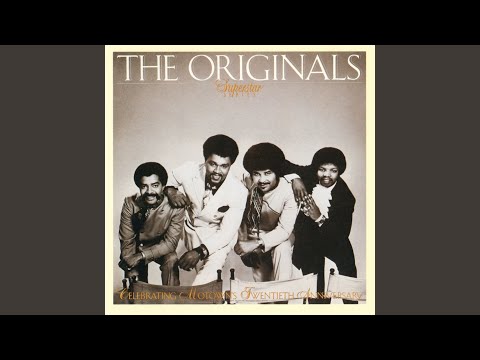
→ More from the 1970s File
View all 1970s hits →




Keep digging