The 1960s File Feature
Baby, I'm For Real
Baby, I'm For Real: The Originals and Their Motown Triumph In the summer of 1969, a vocal group from Detroit delivered one of the most emotionally charged so…
01 The Story
Baby, I'm For Real: The Originals and Their Motown Triumph
In the summer of 1969, a vocal group from Detroit delivered one of the most emotionally charged soul performances of the era, reaching the pinnacle of the rhythm-and-blues charts with a tenderness that belied the turbulence of the times. "Baby, I'm For Real" by The Originals was released on Motown's Soul Records imprint in August 1969 and climbed to number one on the Billboard R&B Singles chart, where it remained for a remarkable stretch that cemented the group's reputation as one of Motown's most gifted ensembles.
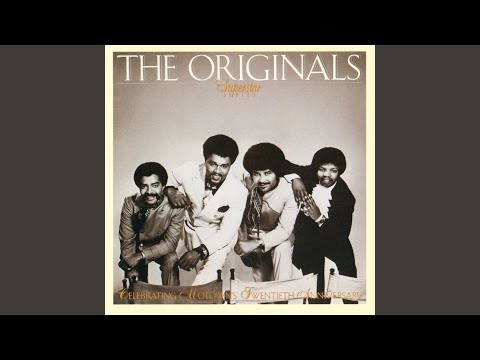
The Originals were not newcomers to the Motown family when this record arrived. The group had been signed to the label since the mid-1960s, serving in various background and session capacities before stepping fully into the spotlight. The quartet consisted of Hank Dixon, Freddie Gorman, C.P. Spencer, and Walter Gaines, each bringing a richly textured vocal quality that gave the group a collective sound distinct from the harder-edged soul acts dominating radio at the time. Their approach was softer, more intimate, more willing to linger in vulnerability.
What elevated "Baby, I'm For Real" above countless other soul ballads of the period was its authorship. The song was written and produced by Marvin Gaye, who at that point was transitioning from his own performing career into an increasingly ambitious creative role behind the scenes at Motown. Gaye, already a superstar in his own right through singles like "I Heard It Through the Grapevine," composed a melody of genuine yearning and crafted an arrangement that placed the voices of The Originals within a lush orchestral landscape. Strings, subtle brass, and a rhythm track that swayed rather than drove made the record feel like an intimate confession rather than a dance-floor appeal.
Gaye's involvement with The Originals during this period produced some of the most underappreciated recordings in the Motown catalog. He served not merely as a songwriter but as a true collaborator, shaping the vocal phrasing and tonal color of the group's performances. The result was a song that carried his compositional fingerprints while remaining entirely the property of the singers who delivered it.
"Baby, I'm For Real" peaked at number one on the Billboard R&B chart and crossed over to reach number fourteen on the Billboard Hot 100, a strong showing for a ballad act at a time when the chart was crowded with harder funk and rock crossover material. The record demonstrated that Motown's gentler, more classically influenced soul productions could still connect with a broad audience even as the musical landscape grew louder and more aggressive.
The single's success arrived at a pivotal moment for Motown Records as a whole. The label, founded by Berry Gordy in 1959, was preparing for its relocation from Detroit to Los Angeles, a move that would transform its corporate identity in the coming years. Within this context, a record as rooted in Detroit soul craft as "Baby, I'm For Real" represented a kind of flowering of the original Motown sound just as that era was beginning its transition.
Radio programmers at Black radio stations across the country embraced the single with particular warmth. Its production values were impeccable by the standards of the time, the vocals were flawless in their blend, and the emotional sincerity of the performance gave disc jockeys and listeners alike something to hold onto during a year that had seen assassinations, protests, and widespread social upheaval. A song about romantic commitment and authenticity carried a quiet power in that context.
The B-side and album context around the single also contributed to The Originals' growing reputation. The group's album "Baby, I'm For Real" was released on Soul Records, a Motown subsidiary, in 1969, and showcased the full range of the quartet's abilities across a set of tracks that balanced up-tempo material with the deeply felt ballads that would become their signature. The album did not achieve the commercial heights of the title single but reinforced the group's standing among serious soul listeners.
Critical reception at the time of release was warm, with trade publications noting the unusual sophistication of Gaye's arrangement and the precision of the vocal performances. In subsequent decades, soul music historians and collectors have revisited "Baby, I'm For Real" with increasing appreciation, recognizing it as a high point in the quieter, more reflective tradition of Motown production that existed alongside the label's more exuberant hit-makers.
The song has been sampled and referenced in later decades, and its influence can be detected in the work of neo-soul artists who drew on the vocal blend tradition of groups like The Originals when constructing their own aesthetic. Though The Originals never again reached the same commercial peak, "Baby, I'm For Real" endures as proof that Motown's depth extended far beyond its most celebrated names.
The single spent multiple weeks on the Billboard R&B chart, giving The Originals their longest and most successful chart run. For a group that had spent years as background contributors to the Motown machine, the record's success was both a commercial vindication and an artistic statement, a demonstration that the quiet, carefully constructed soul ballad still had the power to move audiences and dominate airwaves in an era of rapid musical change.
The legacy of "Baby, I'm For Real" is inseparable from the legacy of Marvin Gaye's behind-the-scenes genius and from the particular atmosphere of Detroit soul at its most refined. It remains a touchstone for anyone seeking to understand the full dimensions of what Motown produced during its classic years.
02 Song Meaning
The Meaning Behind Baby, I'm For Real
"Baby, I'm For Real" operates in the emotional register of sincerity at its most unguarded. The song's central subject is the act of convincing a romantic partner that one's declarations of love are genuine rather than calculated or fleeting. In an era when soul music frequently trafficked in heartbreak and betrayal, this record chose to dwell in something rarer: the earnest plea for belief, the desire to be taken at one's word when speaking about love.
Marvin Gaye's composition works through a logic of contrast. The lyrics, paraphrased as an extended argument for authenticity, position the singer as someone who understands that a beloved has reason to be skeptical, that she has perhaps been misled before, but that this time, this feeling, this person is different. The message is less about conquest and more about a kind of emotional transparency that was genuinely unusual in the pop and soul landscape of 1969.
The Originals' vocal arrangement amplifies this thematic sincerity through the mechanics of group harmony. When multiple voices unite to deliver the same declaration of genuine feeling, the redundancy itself becomes meaningful. It is harder to dismiss a claim made simultaneously by four distinct human voices, each lending its particular timbre to the same moment of vulnerability. The group sound becomes a formal argument for the song's content: this is not one man's boast, it is a collective conviction.
The orchestral backdrop that Marvin Gaye crafted for the recording reinforces the emotional temperature. Strings rise and fall in a manner that mirrors the inner state of someone confessing love under uncertain circumstances, hopeful but aware of the possibility of rejection. The production does not insulate the listener from emotional risk; it amplifies it while maintaining a sense of dignity and restraint. This balance is what separates the track from the overwrought sentimentality that can undermine lesser ballads.
Within The Originals' catalog, this song marked a maturation in the group's artistic identity. Earlier in their Motown career, the quartet had often been deployed in service of other artists' visions, singing backup and contributing to the label's overall sound without staking out a distinct emotional territory of their own. "Baby, I'm For Real" changed that. It gave them a vehicle for expressing a specific emotional stance, one centered on vulnerability, honesty, and romantic commitment, that became the defining characteristic of their identity as recording artists.
The song also speaks to a broader cultural moment in 1969, a year when authenticity was a contested value across American life. Amid widespread political disillusionment and social conflict, a soul record preoccupied with the question of whether declarations of love can be trusted carried a resonance beyond its immediate romantic subject matter. The desire to be believed, to have one's sincerity credited rather than dismissed, was not merely a romantic concern but a widely felt human longing in a climate of suspicion and betrayal.
The track's chart success, reaching number one on the Billboard R&B chart, confirmed that audiences recognized and responded to this emotional register. Listeners brought their own contexts to the record, hearing in its plea for authenticity something that spoke to needs beyond the simply romantic. This is the quality that separates enduring soul music from merely competent soul music: the ability to use the specific as a doorway into the universal.
Decades after its release, "Baby, I'm For Real" retains its power precisely because the emotional problem it addresses has not aged. The question of how to convince another person of one's sincerity, and the vulnerability inherent in even trying, remains as urgent as it was in Detroit in 1969. The Originals, guided by Gaye's compositional intelligence, built a record that located that universal anxiety within a beautifully particular musical moment and gave it a form that listeners continue to find meaningful.
→ More from The Originals
View all The Originals hits →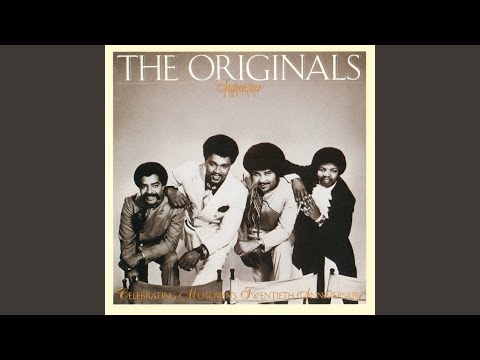
→ More from the 1960s File
View all 1960s hits →




Keep digging