The 1970s File Feature
Love Train
The Story Behind Love Train by The O'Jays Picture the early months of 1973: the optimism of the sixties has curdled into the anxieties of a divided decade, t…
01 The Story
The Story Behind "Love Train" by The O'Jays
Picture the early months of 1973: the optimism of the sixties has curdled into the anxieties of a divided decade, the headlines are heavy, and the dance floor offers a place to set all of it down for a few minutes. Into that moment rolled one of the most joyous, big-hearted records of the era, a call for global unity built on an irresistible groove. The O'Jays, riding the lush, sophisticated sound coming out of Philadelphia, delivered an anthem that managed to be both a party and a sermon.
The Sound Of Philadelphia
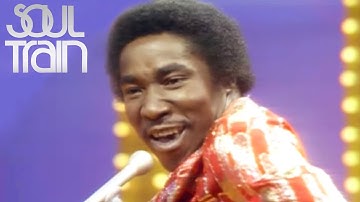
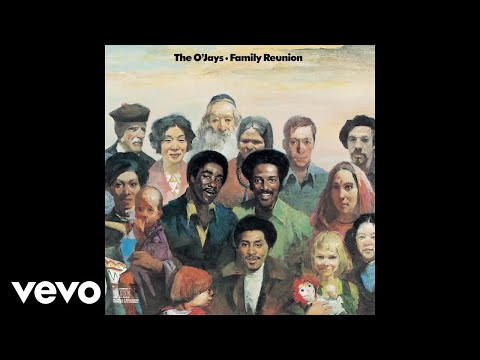
The O'Jays had been performing for over a decade before they found their definitive home at Philadelphia International Records, the label founded by the legendary production team of Kenny Gamble and Leon Huff. "Love Train" was written by Gamble and Huff and showcased the rich, orchestral, rhythm-driven style that would come to be known as the Philly Soul sound. It appeared on the group's landmark album Back Stabbers, and it represented the peak of their collaboration with the architects of that gorgeous, string-laden movement.
An Anthem Of Unity
What set the record apart was its sheer ambition. Rather than a simple love song, it imagined a train of brotherhood circling the entire globe, calling on people from every corner of the world to climb aboard. The arrangement paired a propulsive, danceable groove with soaring strings and gospel-tinged vocals, creating a sound that was simultaneously sophisticated and euphoric. Eddie Levert's powerful lead vocal anchored the whole thing, urging listeners toward connection at a moment when the world badly needed the reminder.
A Number One Triumph
The song became the group's biggest pop success. It entered the Billboard Hot 100 dated January 20, 1973, at number 61, then climbed quickly week after week as both pop and soul radio embraced it. It ultimately reached number 1 on March 24, 1973, giving The O'Jays their only chart-topping pop single. Across its run it spent fourteen weeks on the Hot 100, cementing its status as one of the defining records of early-seventies soul and a crowning achievement for everyone involved.
The Architects Behind The Curtain
It is worth pausing on the larger machine that produced this record. Gamble and Huff had built Philadelphia International into one of the most important soul labels of the decade, a hit factory that rivaled Motown in ambition and influence. Their house band and arrangers crafted a signature sound, lush with strings and propelled by tight, danceable rhythms, that gave the label an instantly identifiable polish. Working within that system, The O'Jays had access to top-tier songwriting and production, and this single shows what that partnership could achieve at its absolute height. The record is not just a great vocal performance but a triumph of an entire creative organization, every element from the orchestration to the rhythm section calibrated for maximum emotional and physical impact. That combination of artistry and infrastructure is a large part of why the Philly Soul sound dominated the early seventies.
An Enduring Legacy
Decades later the song remains a staple of oldies radio, film soundtracks, and feel-good playlists everywhere, its message of unity never going out of style. It stands as one of the signature accomplishments of the Philly Soul era and a high point in the long, distinguished career of The O'Jays, who would go on to record many more hits but never quite top this one's universal reach. Its blend of joy and conscience continues to feel timeless, the kind of record that introduces itself to new generations through movies, commercials, and the simple fact that it never stops sounding good.
Climb aboard and let that groove carry you. Few records have ever made hope sound this danceable.
"Love Train" — The O'Jays's singular moment on the 1970s charts.
02 Song Meaning
The Meaning Of "Love Train" by The O'Jays
This is a song about global unity and human brotherhood, dressed in one of the most joyful grooves of its decade. It takes the simple, ancient idea that people should come together in peace and turns it into a buoyant, danceable invitation, asking listeners around the world to join a single moving symbol of solidarity.
The Train As A Symbol
The central metaphor does enormous work. The train represents a vehicle of unity, gathering people from every nation and continent and carrying them forward together. By name-checking different parts of the world, the lyrics make the message explicitly global, insisting that the call to love and connection knows no borders. The image is hopeful and inclusive, a moving picture of what togetherness might look like.
A Message For Its Moment
The song arrived in a turbulent era marked by war, political division, and social unrest. Against that backdrop, its plea for brotherhood carried real weight, offering a vision of harmony at a time when harmony felt in short supply. It belonged to a tradition of socially conscious soul music that used the dance floor as a space for uplift and gentle activism, slipping a serious message inside an irresistible beat.
Joy As Persuasion
Part of the song's genius is that it delivers its idealism through sheer pleasure. The euphoric groove and gospel-rooted energy make the message impossible to resist, persuading not through argument but through feeling. You are not lectured into agreement; you are danced into it. That fusion of conscience and celebration is exactly what gives the record its lasting power and its broad appeal.
A Tradition Of Conscious Soul
The song stands within a rich tradition of socially aware soul and R&B that flourished in the late sixties and early seventies. Artists across the genre were using popular music to address peace, justice, and human dignity, proving that records could carry a conscience without sacrificing their commercial appeal. This track took that mission and made it joyful, choosing celebration over protest as its mode of persuasion. Where some message songs of the era leaned toward solemnity, this one insisted that hope could be exuberant, that you could dream of a better world and dance to the dream at the same time. That balance of substance and pleasure is exactly what gave the era's best soul music its enduring weight.
Why It Resonated
The song connected because it offered something people deeply wanted: a reason to feel hopeful together. Its message of unity is timeless and universal, capable of speaking to any generation facing division. Wrapped in lush Philly Soul production and a chorus built for crowds, it gave listeners a way to celebrate the idea of a better, more connected world, which is why it has endured as an anthem for over half a century and shows no sign of losing its power.
→ More from The O'Jays
View all The O'Jays hits →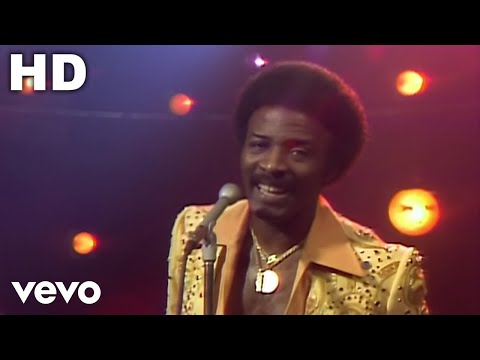

→ More from the 1970s File
View all 1970s hits →




Keep digging