The 1970s File Feature
Livin' For The Weekend
"Livin' For The Weekend" — The O'Jays and the Voice of Working America Philadelphia's Finest at the Height of Their Power There is a moment, somewhere around…
01 The Story
"Livin' For The Weekend" — The O'Jays and the Voice of Working America
Philadelphia's Finest at the Height of Their Power
There is a moment, somewhere around 1976, when Philadelphia International Records stood at the absolute summit of American soul music. The label founded by Kenny Gamble and Leon Huff had produced a string of landmark recordings that redefined the commercial and artistic possibilities of R&B. The O'Jays, who had signed to the label in 1972, were its most commercially successful act, and Livin' For The Weekend arrived as further confirmation of that status.
By the time the single was released in early 1976, the O'Jays had already delivered major hits including Back Stabbers, Love Train, and I Love Music. They were a mature act working at the peak of their craft, and the machine around them at Philadelphia International was fully calibrated to serve their strengths. Producers Kenny Gamble and Leon Huff understood better than perhaps anyone in the business how to build a record that could carry both pop appeal and genuine soul depth simultaneously.
The Sound of the Record
The production on Livin' For The Weekend carries all the hallmarks of the Philadelphia International house sound at its peak. The MFSB orchestra provided the musical infrastructure for much of what came out of the label during this period, and the characteristic combination of warm strings, propulsive rhythm section work, and layered horn arrangements is present and fully realized on the track.
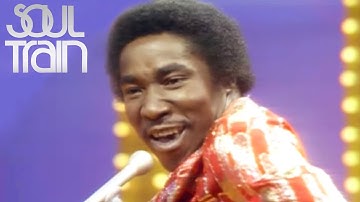
The lead vocals from the O'Jays, built around the grit and expressiveness of Eddie Levert's voice and balanced by the smoother tones of Walter Williams, gave the recording its emotional center. The interplay between lead and harmony on a Philadelphia International production was never accidental; it was carefully engineered to maximize both radio and dancefloor appeal. The arrangement on this track achieves exactly that balance.
Twelve Weeks on the Hot 100
The single debuted on the Billboard Hot 100 on March 6, 1976, entering at position 79. Its chart trajectory was sustained and impressive: 79, 51, 42, 37, 31 in its first five weeks, demonstrating a steady build driven by consistent radio airplay across multiple formats. The peak position of number 20 arrived on April 24, 1976, the culmination of a twelve-week chart run that confirmed the track's broad commercial appeal.
Twelve weeks on the Hot 100 at a peak of 20 was a performance that spoke to genuine mainstream crossover traction. The O'Jays were artists whose records consistently crossed between R&B radio and pop radio, and Livin' For The Weekend continued that pattern. The track's extended chart presence also reflected the sustained marketing effort that Philadelphia International applied to its releases during this period.
The Sociology of the Title
The phrase "living for the weekend" had been embedded in working-class American culture long before the O'Jays recorded this track, but the song gave it a specific and vivid musical form. The subject matter resonated precisely because it named something real in the lives of a large portion of the listening audience. Factory workers, service industry employees, and hourly wage earners throughout American cities understood exactly what the song was describing.
The O'Jays had a remarkable gift for selecting themes that connected the personal and the political, the individual and the collective. Where Back Stabbers explored social betrayal and Love Train offered utopian solidarity, Livin' For The Weekend spoke to the rhythms of ordinary working life with warmth and without condescension.
Legacy in the Philadelphia Sound
The O'Jays' mid-1970s catalog remains among the most consistently excellent bodies of work produced within the Philadelphia International ecosystem. Livin' For The Weekend is not their most celebrated recording, but it represents the group and the label operating at full confidence. The record has everything that made Philadelphia soul great: the orchestration, the vocal performance, the thematic directness. Put it on and the era arrives fully formed.
"Livin' For The Weekend" — The O'Jays' singular moment on the 1970s charts.
02 Song Meaning
"Livin' For The Weekend" — Labor, Release, and the Rhythm of Survival
The Emotional Geography of the Workweek
There is a very specific kind of anticipation that belongs to late Friday afternoon, the hours when the week's obligations are finally releasing their grip. Livin' For The Weekend maps that emotional geography with uncommon precision. The O'Jays did not simply describe the weekend as a destination; they rendered it as a source of sustaining hope, something to reach toward across the grinding hours of the week that precedes it.
The lyrical themes of the song are built around a simple but powerful premise: that the rhythm of working life divides time into endurance and release, and that the release makes the endurance bearable. This is not a radical political statement, but it is an honest social observation, and that honesty is what gave the record its resonance with a wide audience.
Class and Identity in Mid-70s Soul
By 1976, Philadelphia soul had developed a sophisticated vocabulary for addressing working-class experience within the pop idiom. The O'Jays were among the most consistent practitioners of this approach, writing and recording music that acknowledged the actual texture of lives lived on wages, on schedules set by employers, on the hope of two days of freedom at the end of five days of obligation.
This was a form of dignity. Soul music in the post-civil-rights era carried a complicated social responsibility, speaking both to the joys of Black American cultural life and to the material realities that structured it. Songs like Livin' For The Weekend participated in that conversation without turning themselves into lectures or protests. The groove itself was the argument: you work all week, you deserve to feel this good on Saturday night.
The Dancefloor as Democratic Space
The mid-1970s saw the emergence of disco alongside the continued vitality of soul, and both genres shared an investment in the dancefloor as a space of liberation and equality. A song organized around the promise of weekend release functioned perfectly in that context, transforming the dancefloor into the literal embodiment of its own themes. When people danced to Livin' For The Weekend on a Friday or Saturday night, the song was not just accompanying their experience; it was describing it.
That feedback loop between content and context is one of the more elegant features of the record. The song says: the weekend is where you get to be free. The context in which it was heard confirmed that premise with every beat.
Universal Address
Part of the track's broad commercial appeal, reaching number 20 on the Hot 100 and crossing into pop radio alongside R&B formats, was its universality. The experience of living for the weekend was not confined to any particular demographic. Office workers, factory employees, nurses, teachers, and workers of every description could recognize themselves in the song's premise. That universality was baked into the lyrical approach, which kept its imagery accessible and its emotional register broad.
The O'Jays' consistent ability to address themes of wide social resonance without flattening them into generality was a mark of their songwriting intelligence. They wrote specifically enough to feel authentic and broadly enough to be universal, which is a balance that few artists maintain over the course of a long career.
What Endures
The emotional content of Livin' For The Weekend has not aged in any meaningful way, because the social reality it describes has not changed. The relationship between labor and leisure, the week as endurance and the weekend as reward, remains as structurally central to working life in the twenty-first century as it was in 1976. The O'Jays had the insight to make music about that reality that was joyful rather than bitter, and that joy is what keeps the record alive.
→ More from The O'Jays
View all The O'Jays hits →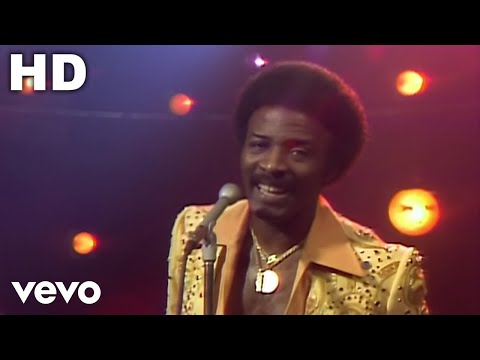

→ More from the 1970s File
View all 1970s hits →




Keep digging