The 1970s File Feature
Let Me Make Love To You
"Let Me Make Love to You" — The O'Jays Philadelphia Soul in Its Golden Period The summer of 1975 found the O'Jays operating from a position of considerable c…
01 The Story
"Let Me Make Love to You" — The O'Jays
Philadelphia Soul in Its Golden Period
The summer of 1975 found the O'Jays operating from a position of considerable commercial and artistic strength. The Philadelphia International Records roster, assembled and guided by producers Kenny Gamble and Leon Huff, had spent the early 1970s rewriting the rules of soul music, bringing an orchestral sophistication and a political consciousness to a format that had been fragmenting under pressure from both the commercial mainstream and its own internal artistic ambitions. The O'Jays were the label's flagship vocal group, and their run from "Back Stabbers" through "Love Train" and beyond had established them as one of the defining acts of the decade's first half.
By mid-1975, the O'Jays had accumulated a remarkable catalog of both socially conscious material and romantic soul that demonstrated the group's range and the versatility of the Philadelphia International approach. Let Me Make Love to You arrived in late July 1975 as a single aimed squarely at the romantic end of the group's repertoire, a track that traded the social commentary of some of their most celebrated work for a more intimate focus and a direct romantic address.
The Philadelphia Sound Behind the Record
The production infrastructure that supported everything on the Philadelphia International label in this period was extraordinary. Gamble and Huff had assembled a studio operation, centered on Sigma Sound Studios in Philadelphia, that combined a world-class house band known as MFSB (Mother Father Sister Brother) with string and horn arrangements of genuine sophistication. The MFSB musicians, who played on virtually every major Philadelphia International recording, created a sonic environment that was dense, warm, and orchestrally rich in ways that distinguished the Philadelphia sound from both the Detroit and Memphis approaches that had preceded it.
Eddie Levert, Walter Williams, and William Powell constituted the core vocal lineup of the O'Jays in this period, with Levert's lead vocals carrying the primary emotional weight on most recordings. His voice had a quality that moved easily between the pleading and the commanding, between vulnerability and strength, and this range made him an ideal interpreter of the kind of romantic material that Let Me Make Love to You represented.
A Brief but Real Chart Presence
The single debuted on the Billboard Hot 100 on July 26, 1975, entering at number 87. It climbed to number 75 the following week and held there, reaching its peak of number 75 on August 2, 1975. The track spent three weeks on the chart before dropping from the survey. A chart run of this brevity and modest peak might suggest a recording that underperformed, but context is essential here.
The O'Jays in 1975 were primarily an R&B act whose Hot 100 crossover was somewhat incidental to their core commercial success. The group's R&B chart performance in this period was consistently stronger than their Hot 100 numbers would suggest, reflecting a loyal core audience that bought their records and attended their concerts in numbers that Hot 100 chart data alone could not capture. Philadelphia International Records operated with an eye on multiple charts simultaneously, and a track's overall commercial picture was visible only by considering all of them together.
The O'Jays in the Soul Landscape of 1975
The mid-1970s soul landscape was undergoing significant change. Disco was gaining commercial momentum in the clubs, artists like Barry White were pushing orchestral soul into new territories, and the funk tradition was becoming increasingly dominant. The O'Jays occupied a position that connected the classic soul tradition to the newer currents without fully abandoning either. Their recordings maintained the vocal group architecture and the gospel-rooted emotional depth that had always defined their best work, while incorporating production elements that kept them sounding contemporary.
Let Me Make Love to You sits within this transitional moment as an example of the group doing what they did most naturally: taking a romantic scenario and treating it with the full weight of their vocal gifts and the sophisticated production environment that Philadelphia International provided. The track may not have become one of the group's most celebrated recordings, but it represents the O'Jays' professional consistency during a period when maintaining quality across a large output was itself an achievement.
A Career Built on More Than Singles
The O'Jays' legacy in American soul music extends well beyond their chart performances. They were a live act of considerable power, a studio presence that helped define what Philadelphia soul meant to a generation, and a vocal group whose chemistry was the product of years of development and shared experience. Any single track in their 1970s catalog is most meaningful when understood as part of that larger picture, a piece of a body of work that still sounds vital decades after it was produced.
Let Me Make Love to You invites the listener into the warm, orchestrated world that the best Philadelphia International recordings inhabited, a world in which soul music sounded like it had taken formal music education seriously without losing any of its emotional directness. Press play and hear what the summer of 1975 sounded like at its most soulful.
"Let Me Make Love to You" — The O'Jays' singular moment on the 1970s charts.
02 Song Meaning
"Let Me Make Love to You" — Desire, Devotion, and the Soul Romantic Tradition
The Directness of Soul's Romantic Language
Soul music has always spoken about love and desire with a directness that pop often approached more obliquely. The gospel roots of the tradition gave it a relationship to emotional intensity that translated readily into secular romantic expression, and the best soul recordings of the 1960s and 1970s made the direct statement of feeling feel natural rather than crude. Let Me Make Love to You positions itself firmly in this tradition, offering a romantic appeal that is straightforward in its intent but framed within the vocal and orchestral sophistication that defined the Philadelphia International approach.
The O'Jays brought to this kind of material a group vocal architecture that added harmonic richness to what might otherwise have been a simple declaration. The combination of Eddie Levert's lead voice with the backing vocal contributions of the group created a texture that made the romantic address feel both personal and communal, both the specific appeal of one person to another and something larger than that.
Intimacy and the Philadelphia Sound
One of the achievements of Kenny Gamble and Leon Huff's production philosophy at Philadelphia International was the creation of records that managed to sound both luxuriously orchestrated and deeply intimate at the same time. The strings and horns that characterized the Philadelphia sound could easily have overwhelmed the human scale of a romantic lyric, creating grandeur where the song required closeness. The best Philadelphia International recordings avoided this pitfall by keeping the vocal performance at the center of the sound and treating the orchestration as an emotional amplifier rather than an architectural statement.
Let Me Make Love to You sits within this aesthetic approach, using the full resources of the Philadelphia International production environment to create a backdrop that makes the romantic content feel important without making it feel overproduced. The warmth of the production is well-suited to the warmth of the emotional subject matter.
Desire as a Theme in Context
The mid-1970s was a period of considerable cultural flux in how American popular culture discussed desire, intimacy, and romantic love. The relative frankness of the early part of the decade, a frankness that emerged from both the sexual revolution and the therapeutic culture of the period, had created space for more direct romantic expression in mainstream pop and soul that would have been handled more circumspectly a decade earlier. The O'Jays navigated this landscape with the sophistication of veteran artists who understood how to be direct without being gratuitous, how to be sensual without crossing the line into material that would narrow their audience.
The Philadelphia International aesthetic generally favored this kind of calibrated directness, producing romantic soul that was clearly adult in its subject matter but delivered with enough musical sophistication and vocal quality to maintain its status as art rather than mere commercial provocation.
The Group Vocal as Emotional Multiplier
The specific emotional value of a vocal group addressing romantic themes comes from the way group harmonies function as a kind of emotional endorsement or confirmation. When a single voice expresses desire, it is one person's experience. When a vocal group expresses it in close harmony, the effect is of something verified, agreed upon, felt collectively in a way that amplifies its validity. The O'Jays' group vocal architecture gave their romantic material this quality of collective emotional endorsement, which was part of what made their recordings in this period feel so definitive.
This is a tradition that runs from doo-wop through the classic soul era, and the O'Jays were conscious inheritors of it, having come up through precisely the kind of close-harmony vocal group tradition that preceded their Philadelphia International success. The experience showed in the quality and confidence of the vocal performances they delivered even on recordings that were not destined to become their most celebrated work.
"Let Me Make Love to You" — The O'Jays' singular moment on the 1970s charts.
→ More from The O'Jays
View all The O'Jays hits →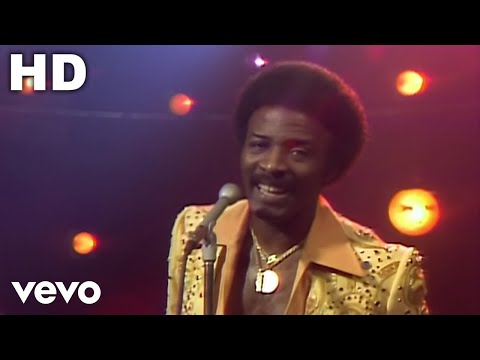

→ More from the 1970s File
View all 1970s hits →




Keep digging