The 1970s File Feature
Give The People What They Want
"Give The People What They Want" — The O'Jays Keep the Flame Burning Philadelphia's Finest in Mid-Decade Form By the spring of 1975, the Philadelphia Interna…
01 The Story
"Give The People What They Want" — The O'Jays Keep the Flame Burning
Philadelphia's Finest in Mid-Decade Form
By the spring of 1975, the Philadelphia International Records sound had already reshaped American popular music. The label founded by Kenny Gamble and Leon Huff had introduced a new grammar for soul: lush orchestrations, socially conscious lyrics, a bottom-heavy rhythm section that kept the dance floor moving while the arrangements argued for something more ambitious than pure entertainment. The O'Jays, the group at the center of that enterprise, had delivered some of its greatest successes: Back Stabbers, Love Train, and For the Love of Money were all in the catalogue by this point, each one a statement of what the Philadelphia Sound could accomplish at its most confident.
Give The People What They Want arrived in May 1975, during what proved to be a transitional period for both the group and the genre. Disco was beginning to assert itself as the dominant force in Black music and club culture, and the deep, orchestrated soul that Gamble and Huff had pioneered was facing competition from a newer, harder-driving rhythm. The O'Jays answered this pressure not by pivoting but by doubling down on what they did best.
The Production and the Sound
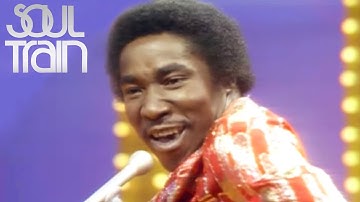
Produced by Kenny Gamble and Leon Huff at Sigma Sound Studios in Philadelphia, the track demonstrates everything that made the PhilSoul formula so distinctive and so durable. The rhythm section locks into a groove that serves both the dance floor and the message simultaneously. The orchestral arrangement provides the kind of grandeur that elevated Gamble and Huff productions above the level of ordinary commercial soul. And the O'Jays, led by the extraordinary voice of Eddie Levert, delivered the lyric with the evangelical fervor that had become their calling card.
Levert's voice was one of the great instruments in American soul music: powerful, flexible, and capable of conveying both anger and tenderness within the same performance. On this track, the performance has the quality of a sermon, a sense that the message being delivered is both urgent and important. The backing vocals add the communal dimension that was always central to the O'Jays' sound, transforming what might have been a soloist's showcase into something that felt like collective testimony.
The Chart Journey
The single debuted on the Billboard Hot 100 on May 3, 1975, entering at number 89. From there it rose through nine weeks of chart activity, reaching its peak position of number 45 during the week of June 7, 1975. The Hot 100 position tells only part of the story: in the rhythm and blues chart environment, where the O'Jays operated as genuine heavyweights, the track's performance was considerably more emphatic. A number 45 pop peak for a mid-1970s soul record reflects mainstream crossover without the full commercial explosion of their biggest hits.
The slightly more modest pop chart placement compared to earlier O'Jays peaks reflected the competitive landscape of mid-1975, a moment when pop radio was crowded with soft rock, early disco, and singer-songwriter material. The O'Jays' brand of message-driven orchestral soul was not the dominant mode of the moment, but it retained enough mainstream appeal to register consistently.
The Message and the Medium
The Gamble and Huff formula at its most ambitious always embedded social content within commercial packaging. The lyrical philosophy behind this track carried forward the political consciousness that had made Love Train and For the Love of Money more than simple entertainment. The title itself is a populist statement: the people's desires, whether for meaningful music, honest governance, or basic human dignity, deserve to be met. The song deploys that argument in the context of the music business, but the implications extend considerably further.
This was characteristic of how Gamble and Huff operated throughout the early-to-mid 1970s. Their records were commercially sophisticated products that also made arguments about Black dignity, social justice, and the responsibilities of public life. The O'Jays were the vehicle through which those arguments reached the widest possible audience, and their credibility as performers made the messages land with force that a lesser act could not have generated.
A Career Reinforced
By 1975, the O'Jays had been performing together in various configurations since the late 1950s. The Philadelphia International years were the commercial summit of a career that had weathered enormous changes in the industry and in American culture. Each successful single during this period reinforced their standing as one of the defining acts of the soul era, ensuring that their catalogue would be revisited by subsequent generations of musicians and listeners.
The track sits comfortably in the centre of that achievement. Press play and hear Philadelphia at its most purposeful, a sound that asked you to move your body and think at the same time.
"Give The People What They Want" — The O'Jays' singular moment on the 1970s charts.
02 Song Meaning
"Give The People What They Want" — Populism as Soul Music's Manifesto
The Political Compact Between Artist and Audience
The phrase at the heart of this song carries a democratic weight that extends well beyond music industry commentary. "Give the people what they want" is an assertion about the relationship between those who hold power or platform and those who constitute their audience. The song operates simultaneously as entertainment philosophy and political argument, a characteristic move in the Gamble and Huff catalogue, where commercial and social ambitions were never allowed to exist in separate compartments.
At its most direct reading, the lyric argues that artists have an obligation to their audiences, to meet genuine desires rather than manufacturing needs. But the argument reaches further: it implies that institutions of all kinds, political, commercial, cultural, share this obligation to the people they are supposed to serve. In 1975, with Watergate's aftermath still fresh and public trust in institutions at historic lows, this populist declaration carried considerable resonance.
Philadelphia International's Social Project
Kenny Gamble and Leon Huff built Philadelphia International Records on the conviction that soul music could be both commercially successful and socially meaningful. Their house philosophy rejected the idea that Black popular music had to choose between reaching a mass audience and saying something worth saying. The O'Jays were the most articulate expression of this philosophy, a group whose vocal authority and emotional commitment made even the most politically pointed material feel accessible rather than didactic.
The mid-1970s context matters here. The civil rights legislation of the 1960s had been enacted, but its implementation was uneven and contested. Economic conditions were deteriorating for many working-class Black Americans. The promised transformation of American social life was proving more complicated and more contested than its advocates had hoped. Music that acknowledged these realities while insisting on dignity and solidarity served a genuine need in its audience.
The Collective Voice
One of the O'Jays' most distinctive qualities was the way their recordings projected collective rather than individual experience. Where many soul artists of the era emphasized personal struggle and individual triumph, the O'Jays consistently spoke in broader terms, addressing communities, offering solidarity rather than soliloquy. This collective orientation made their message-driven material feel communal, like music that belonged to its audience rather than being handed down to it.
The backing vocal arrangements on their recordings reinforced this quality. The interplay between lead and chorus voices created a call-and-response dynamic with roots in gospel tradition, a format that historically served as a space for collective emotional expression within Black American communities. By deploying that format in a commercial soul context, the O'Jays maintained a connection to the music's deeper spiritual and communal sources even as the production became increasingly sophisticated.
Populism and its Demands
The song's central demand is worth taking seriously on its own terms. To give people what they want requires first understanding what they actually want, as opposed to what is convenient to offer them. The track implies that genuine responsiveness to audience needs demands honesty, effort, and a willingness to prioritize the audience's actual desires over the provider's convenience or self-interest. In the music industry context, this is an argument against formula and cynicism; in the political context implied by Gamble and Huff's broader project, it is an argument for genuine democratic accountability.
These are not small claims to embed in a soul record, and the O'Jays' extraordinary vocal performances are what make the ambition land. The song asks listeners to demand more from the world around them, and the performance itself models what it looks like to deliver on that demand.
→ More from The O'Jays
View all The O'Jays hits →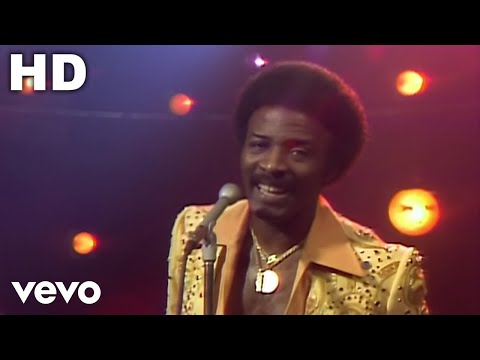

→ More from the 1970s File
View all 1970s hits →




Keep digging