The 1970s File Feature
Leaving Me
Leaving Me: The Independents and Chicago Soul's Quiet Dignity "Leaving Me" was released in 1973 by The Independents on Wand Records , a New York-based indepe…
01 The Story
Leaving Me: The Independents and Chicago Soul's Quiet Dignity
"Leaving Me" was released in 1973 by The Independents on Wand Records, a New York-based independent label that had been home to a series of significant soul recordings since the early 1960s. The single reached number twenty-one on the Billboard Hot 100 and performed considerably stronger on the R&B chart, where it climbed into the top ten, establishing The Independents as one of the more notable soul acts to emerge from Chicago in the early 1970s. The record represented a high point for the group and one of the finest examples of the understated, emotionally precise soul sound that Chicago's independent soul tradition had cultivated.
The Independents were co-founded by Chuck Jackson, whose connection to Donny Hathaway as a collaborator placed the group within a lineage of Chicago soul that emphasized musical sophistication and emotional depth over pure commercial calculation. Hathaway was one of the defining figures of the period, and his influence on the Chicago soul scene extended through multiple projects and collaborators. Jackson brought to The Independents an understanding of how to frame a soul vocal within an arrangement that respected both the voice and the listener, avoiding the overwrought production choices that could undermine the emotional truth of the material.
The group also included Helen Curry and Maurice Jackson, and the vocal interplay between members gave The Independents a textural variety that solo soul acts could not achieve. The combination of voices on "Leaving Me" created an emotional conversation rather than a monologue, allowing the song's central experience of abandonment and loss to be expressed from multiple angles simultaneously. This vocal group dynamic was rooted in a long tradition of Chicago gospel and soul, where the interaction between voices had always been understood as intrinsically meaningful rather than merely decorative.
The production on "Leaving Me" reflected the aesthetic priorities that had made Chicago soul a distinctive and respected regional tradition. Unlike the Memphis soul coming out of Hi Records or Stax at the same moment, or the Philadelphia International sound that Kenny Gamble and Leon Huff were developing simultaneously, the Chicago independent soul sound tended toward a certain directness and restraint. Arrangements were built to serve the vocal rather than to compete with it, and the rhythm section work was precise without calling attention to itself. The result was music that communicated its emotional content without mediation, allowing the voices to make direct contact with the listener.
Wand Records, distributed through Scepter Records, had developed a reputation for soul recordings that prioritized quality over formula. The label's history included recordings by Dionne Warwick and other significant soul acts, and it approached the marketplace with a genuine interest in the music rather than the purely commercial calculation that defined some of its competitors. The Independents fit well within this label identity, and Wand provided distribution and promotion that gave "Leaving Me" the national exposure it needed to chart.
The song's commercial performance in 1973 was strong enough to establish The Independents as a recognized act on the R&B circuit and to generate follow-up attention from both radio programmers and record buyers. The early 1970s R&B marketplace was competitive, with established acts including Al Green, Curtis Mayfield, Marvin Gaye, and Stevie Wonder operating at their commercial and artistic peaks. The Independents competed in this environment by offering something slightly different from the dominant sounds, a Chicago soul plainness that had its own authority and appeal.
Critical attention to The Independents during the 1973 period was modest, as was typical for soul acts that were not operating at the very highest level of commercial success. The recording press of the period was largely oriented toward rock music, and soul recordings that were not crossover phenomena often received less detailed critical attention than their quality warranted. "Leaving Me" was not a crossover phenomenon in the sense that "Let's Get It On" or "Living for the City" were in 1973, but it was a first-rate soul record that demonstrated what the Chicago tradition could still produce.
In retrospect, "Leaving Me" has found a place in the pantheon of early 1970s Chicago soul recordings that soul music historians and collectors revisit with appreciation. The combination of vocal craft, musical restraint, and emotional honesty that the recording demonstrates was not accidental but was the product of musicians and producers who understood their tradition deeply and applied that understanding with consistency and intelligence.
02 Song Meaning
Leaving Me: Abandonment, Dignity, and the Chicago Soul Emotional Register
"Leaving Me" deals with one of the central subjects of soul music: the experience of being abandoned by someone whose presence has been essential. The song's title makes the situation immediate and ongoing rather than retrospective, placing the listener inside the moment of departure rather than in the aftermath where reflection can soften the impact. This choice of temporal positioning is significant: the narrator is not remembering a loss but experiencing one, and the emotional directness of the present tense gives the song an urgency that more distanced treatments of the same material would not achieve.
The Chicago soul tradition from which The Independents emerged had always placed a premium on emotional honesty over emotional performance. Where some soul recordings of the period dressed their emotional content in elaborate production or relied on technical vocal display to communicate feeling, the best Chicago soul tended toward a plainness that trusted the material and the listener simultaneously. "Leaving Me" exemplifies this aesthetic: the song communicates its emotional content through directness rather than elaboration, and the vocal performance serves the feeling rather than substituting for it.
The group vocal format gave "Leaving Me" an additional dimension that solo soul recordings could not provide. When multiple voices share the expression of a single emotional situation, the effect is to universalize the experience while simultaneously making it feel witnessed rather than merely reported. The traditions of gospel music, which formed the foundational training ground for virtually every soul vocalist of the period, understood this dynamic deeply, and The Independents brought that understanding to their secular recordings. The person leaving is one person, but the experience of being left is, the song implies through its group format, something that a community recognizes and bears witness to together.
The specific kind of dignity that soul music brought to expressions of loss and abandonment was one of the genre's most important cultural contributions. In a broader American context that often denied Black Americans the full complexity of their emotional lives, soul music insisted on the legitimacy and the depth of those emotions. "Leaving Me" is a small example of this larger project: a record that takes seriously the pain of abandonment without either wallowing in it or dismissing it, that treats the person experiencing the loss as fully human and fully deserving of the grief they feel.
Chuck Jackson's background as a collaborator of Donny Hathaway is audible not in any specific sonic similarity but in a shared commitment to emotional seriousness. Hathaway's recordings were distinguished by their refusal of emotional shortcuts, their willingness to remain inside difficult feelings long enough to explore them with some thoroughness. The Independents brought a comparable commitment to "Leaving Me," treating the subject with enough seriousness to make the recording feel genuine rather than formulaic.
The song also participates in a long tradition of songs that ask the essential question beneath all heartbreak: why is this happening, and what can be done to stop it? "Leaving Me" does not fully answer either question, because the honest answer to both is "I don't know" and "probably nothing," and the recording's emotional power comes partly from its willingness to inhabit that uncertainty without resolving it artificially. The narrator's plea is genuine precisely because it acknowledges that pleas of this kind often do not work, and that the person leaving may leave anyway, and that the person left will have to find a way to continue in their absence.
→ More from The Independents
View all The Independents hits →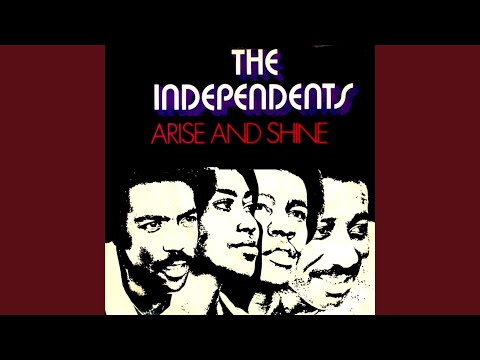
→ More from the 1970s File
View all 1970s hits →




Keep digging