The 1970s File Feature
Baby I've Been Missing You
The Independents and "Baby I've Been Missing You": Chicago Soul at Its Early 1970s Peak The Independents were a vocal group based in Chicago who recorded for…
01 The Story
The Independents and "Baby I've Been Missing You": Chicago Soul at Its Early 1970s Peak
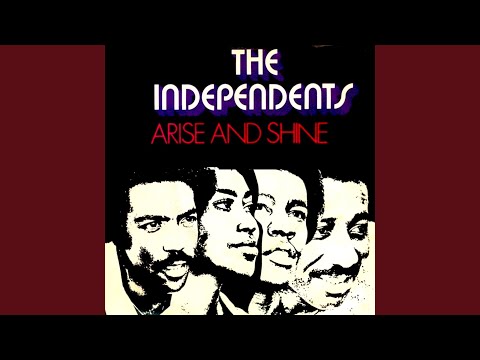
The Independents were a vocal group based in Chicago who recorded for Wand Records and later for the Brunswick subsidiary during the early 1970s. Featuring the voices of Chuck Jackson, Marvin Yancy, and Helen Curry, the group produced a small but significant body of work in the Chicago soul tradition, with "Baby I've Been Missing You" representing their most substantial commercial achievement on the Billboard Hot 100 during 1973.
Chuck Jackson, who led the group, should not be confused with the more famous Chuck Jackson who recorded "Any Day Now" for Wand Records in the early 1960s. The Independents' Chuck Jackson was a Chicago-based vocalist whose career was intertwined with that of producer and future husband to Natalie Cole, Marvin Yancy, who served as both a group member and a key figure in the group's creative direction. This combination of vocal talent and production insight gave the group a coherence that distinguished their best work from much of what surrounded them in the crowded early 1970s soul marketplace.
Helen Curry's presence in the group provided a crucial dynamic. Chicago soul groups of this era frequently featured prominent female voices either as lead vocalists or as integral members of the ensemble, and the interplay between Curry's soprano and Jackson's tenor gave the Independents a textural variety that enriched their recordings. The call-and-response dynamics available to a mixed-voice group aligned the Independents with a long tradition of vocal group performance in Black American music.
"Baby I've Been Missing You" debuted on the Billboard Hot 100 on July 21, 1973, at position 89. The track showed consistent upward movement over its first several weeks, climbing to 78, then to 65, and reaching 51 by the chart week of August 11. It held at 51 the following week before continuing its ascent to the peak of 41, which it reached during the chart week of August 25, 1973. The eight-week chart run, while not ending with the song still climbing, demonstrated that the track had found and sustained a meaningful audience across the summer of 1973.
The song's success came during a rich moment for Chicago soul. The city had been a center of Black American music since the 1950s, with Chess Records having established a recording tradition of global significance, and the early 1970s saw that tradition evolving in multiple directions simultaneously. Curtom Records, founded by Curtis Mayfield, was producing socially conscious soul with orchestral sophistication. Brunswick and Wand were continuing to work in more commercially oriented directions. The Independents operated in the latter space, crafting songs that prioritized immediate emotional impact and radio accessibility over musical experimentation.
Marvin Yancy's subsequent career trajectory is worth noting in this context. After his work with the Independents, he went on to produce and marry Natalie Cole, playing a central role in the early phase of her recording career that produced hits including "This Will Be (An Everlasting Love)" in 1975. The production instincts he developed during his time with the Independents were directly applicable to that work, and the sonic fingerprint of early 1970s Chicago soul that characterized the group's recordings provided a framework for his later production approach.
The Chicago soul tradition that nurtured the Independents was characterized by specific production values: prominent horn arrangements, carefully structured rhythm sections, and vocal performances that emphasized emotional directness over vocal pyrotechnics. These elements were present in "Baby I've Been Missing You," giving the recording the identifiable qualities of its time and place while the strength of the melody and vocal performances elevated it above genre convention.
The Independents' commercial run was relatively brief, but their catalog of recordings from the early 1970s retains the essential qualities of well-crafted soul music: emotional authenticity, musical craft, and the capacity to communicate longing and desire with genuine feeling. "Baby I've Been Missing You" stands as their strongest Hot 100 showing, a record that captured a capable vocal group operating at the height of its abilities in one of American popular music's most creatively fertile cities during one of its most generative decades.
02 Song Meaning
Absence and Longing in the Soul Tradition: The Emotional World of "Baby I've Been Missing You"
The absent-lover song is among the most ancient and persistent forms in vocal music, and the Independents' 1973 recording "Baby I've Been Missing You" inhabits that tradition with the directness and emotional clarity that characterized the best Chicago soul of the early 1970s. The song's thematic premise is elemental: the narrator addresses a distant beloved, reporting the physical and emotional experience of their absence and appealing for the restoration of connection. Within this simple framework, the song constructs a world of feeling that resonates with the universal experience of romantic longing.
The address form of the lyric, speaking directly to the absent person as "baby," performs an important thematic function. By using direct address, the song collapses the distance it is ostensibly lamenting. The narrator speaks to someone who is not present as if they were present, enacting the psychological reality of longing: the absent person remains vividly present in the mind of the one who misses them. This grammatical intimacy is characteristic of the soul ballad tradition, where the direct second-person address creates an emotional immediacy that audience members can inhabit as their own experience.
The specific content of "missing" as an emotional state is given texture in the soul tradition through performance rather than lyrical elaboration. Chuck Jackson and Helen Curry's interplay communicated the nuances of longing through vocal timbre, phrasing, and the emotional weight they placed on specific syllables and melodic intervals. The call-and-response dynamics available to a group with both male and female vocal presences allowed the song to suggest not just an individual's longing but a dialogue about absence, with different voices representing different emotional registers of the same core feeling.
Longing in soul music is rarely presented as passive suffering. The tradition transforms personal pain into a form of artistic assertion, claiming through the act of performance a kind of agency over the emotions that otherwise threaten to overwhelm. The narrator of "Baby I've Been Missing You" is not simply a passive victim of absence; the act of declaring the missing, of putting it into song and sending it outward, constitutes a form of action. This active quality of emotional expression is one of soul music's most important contributions to American cultural life.
The song's chart run across the summer of 1973, reaching a peak position of 41 on the Billboard Hot 100 over eight weeks, demonstrated that its thematic content and performance quality connected with a broad audience. Summer is traditionally a period when songs of longing and separation find particularly receptive listeners, as the season's mobility creates genuine experiences of distance and the desire for reunion. The temporal coincidence of the song's chart peak with the height of summer 1973 was not accidental from a commercial perspective.
Within the Chicago soul tradition, songs about missing a beloved carried particular weight because of the broader social context of migration, mobility, and displacement that had shaped the African American urban experience. The Great Migration had brought millions of Black Americans from the South to cities like Chicago, and the experience of geographic separation from loved ones left behind was part of the community's collective memory. A song about missing someone thus resonated at both the personal romantic level and the deeper cultural level of shared historical experience. The Independents' recording participates in that tradition without making its broader resonances explicit, allowing the emotional content to operate on whatever level each listener brings to it.
→ More from The Independents
View all The Independents hits →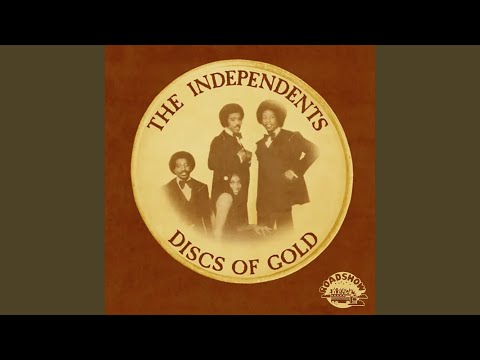
→ More from the 1970s File
View all 1970s hits →




Keep digging