The 1970s File Feature
Like An Open Door
Like An Open Door by The Fuzz There is a special poignancy to the records that grazed the charts and then slipped quietly back into obscurity. Like An Open D…
01 The Story
"Like An Open Door" by The Fuzz
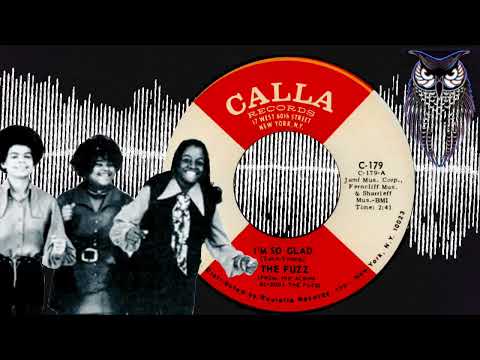
There is a special poignancy to the records that grazed the charts and then slipped quietly back into obscurity. "Like An Open Door" by The Fuzz is one of those gentle near-misses, a soulful early-1970s ballad sung by a trio of women whose voices deserved a longer moment in the spotlight than the Hot 100 gave them.
A Trio at the Start of the Decade
The Fuzz arrived as a female vocal group working in the rich tradition of early-1970s soul, the era when Philadelphia and Detroit were turning out lush, string-laden romance by the truckload. They were not headliners or household names, and much of their story has faded with time, which is exactly why their brush with the chart matters. For a group like this, a single placement on the national pop chart represented enormous effort and real talent breaking through a crowded field.
A Tender, String-Kissed Ballad
"Like An Open Door" trades on the gentle, aching sweetness that defined so much soul of its moment. The arrangement leans on warm harmonies and a soft, swaying tempo, the kind of production designed for slow dances and late-night radio. The lead vocal carries genuine emotional weight, and the group harmonies wrap around it like an embrace. It is a quiet record in a loud era, and its sincerity is its greatest asset.
The early 1970s were a golden age for vocal-group soul, when lush orchestration and tight harmonies could turn a simple love song into something cinematic. The Fuzz fit squarely into that lineage, the heirs of countless girl groups and harmony acts who had been polishing this sound since the previous decade. Their record may not have the budget or the star power of the era's biggest hits, but the craft and feeling are unmistakably present, the work of singers who clearly meant every note.
A Brief Run on the Hot 100
The single entered the Billboard Hot 100 on July 31, 1971 at number 82. It nudged up to its peak of number 77, a position it reached and held, and its time on the national chart was brief: just 3 weeks on the Hot 100. The numbers tell the story of a record that found a foothold but could not climb higher in a fiercely competitive year. Still, charting at all placed The Fuzz among the small fraction of acts who ever reached the national listing.
The Beauty of the Footnote
History does not remember every act equally, and The Fuzz belong to the vast, fascinating layer of artists whose names live mostly in chart archives and the memories of dedicated soul collectors. That does not diminish what they made. "Like An Open Door" is a reminder that the early-1970s soul boom was deep, that for every superstar there were dozens of gifted groups making lovely records, and that beauty does not require a number-one to be real.
For the modern listener, these forgotten gems offer a particular reward. Free of the baggage of overexposure, they arrive fresh, surprising you with how good they are. Digging into the lower reaches of the old charts is a way of hearing an era in full, not just its famous peaks but the rich foundation beneath them. The Fuzz earned their brief place on that chart honestly, and the song they left behind still holds its tender shape decades later.
Worth Rediscovering
Seek this one out and you will be rewarded with a warm, heartfelt ballad that time nearly forgot. Press play and let The Fuzz open the door to a quieter corner of soul history.
"Like An Open Door" — The Fuzz's singular moment on the 1970s charts.
02 Song Meaning
The Meaning Behind "Like An Open Door"
"Like An Open Door" uses one of pop's most enduring images, the open door, to talk about love, vulnerability, and the willingness to let another person all the way in. The phrase suggests an invitation, a heart left unguarded, and the whole song lives inside that gesture of openness.
An Invitation Without Conditions
An open door is a powerful symbol because it implies trust. To leave a door open is to say that someone is welcome, that there are no locks, no defenses, no conditions placed on entry. The lyric frames love in exactly those terms: a heart held open, ready to receive. There is courage in that image, because an open door can let in hurt just as easily as joy.
The Soft Power of Soul Balladry
The song belongs to a great lineage of early-1970s soul ballads that explored tenderness rather than passion's fireworks. Where some love songs shout, this one murmurs. The emotional message is about devotion expressed through availability, about being present and unguarded for the person you love. The gentle arrangement reinforces that mood, every harmony a kind of reassurance. There is strength in that softness; choosing to stay open, to keep no defenses, is its own quiet form of courage, and the song treats that choice as something noble rather than naive.
A Quiet Mirror of Its Era
The early 1970s saw soul music turn increasingly toward intimacy and emotional honesty, the sound of grown-up feelings rendered with orchestral sweep. A record like this reflects that cultural shift toward sensitivity, toward men and women alike singing openly about needing one another. The vulnerability in the lyric was very much of its time, and it still feels disarmingly direct. After a turbulent decade, audiences were drawn to music that offered warmth and reassurance, and songs built on openness and trust spoke directly to that hunger for tenderness.
Why It Still Resonates
The song's central idea is timeless. Everyone understands the risk and the reward of opening yourself to another person, of leaving the door unlocked and hoping the right one walks through. The Fuzz captured that delicate hope in a few tender minutes, and the sincerity at its core keeps the modest record quietly affecting. In a culture that often celebrates guardedness and self-protection, there is something refreshing about a song that argues for the opposite, that treats vulnerability as a gift rather than a weakness. That gentle bravery is its lasting appeal, and it is why a forgotten soul ballad can still touch a listener who stumbles upon it today, asking nothing but a moment of openness in return.
→ More from The Fuzz
View all The Fuzz hits →
→ More from the 1970s File
View all 1970s hits →




Keep digging