The 1970s File Feature
I Could Never Be Happy
The Story Behind I Could Never Be Happy by The Emotions A Rising Vocal Trio Building Toward Later Stardom By mid-1972, The Emotions were steadily establishin…
01 The Story
The Story Behind "I Could Never Be Happy" by The Emotions
A Rising Vocal Trio Building Toward Later Stardom
By mid-1972, The Emotions were steadily establishing themselves within the competitive soul and R&B vocal group landscape, working to build the kind of consistent commercial track record that would eventually lead to their considerably larger commercial breakthrough later in the decade. This single arrived during that genuinely formative developmental period, released as the sisters continued refining their tight harmony sound within an increasingly crowded field of talented contemporary vocal groups.
A Soulful, Harmony-Driven Ballad
"I Could Never Be Happy" showcased The Emotions' characteristically tight, soulful vocal harmonies within a genuinely emotive ballad arrangement, favoring the kind of controlled vocal intensity and sophisticated harmonic blend that would eventually become closely associated with their broader artistic identity. That harmony-driven approach reflected the broader early-1970s soul vocal group tradition, prioritizing sisterly vocal chemistry and emotional authenticity over elaborate production spectacle.
A Narrow but Genuine Chart Appearance
Commercially, "I Could Never Be Happy" debuted on the Billboard Hot 100 on July 22, 1972, and climbed to reach its peak position of number 93 during the chart week of August 19, 1972, spending five weeks on the chart overall. That narrow, comparatively modest pop chart run reflected the genuine commercial challenge facing the group during this early developmental stretch, still several years removed from their eventual major commercial breakthrough.
A Modest but Real Data Point in a Developing Career
Even a narrow chart appearance carried some significance within the broader context of the group's still-developing commercial trajectory, offering at least modest evidence that their considerable vocal talent could generate mainstream radio interest even before their eventual major commercial success. That modest chart presence mattered for the group's ongoing career development, part of a gradual audience-building process that would eventually yield considerably greater commercial rewards.
Part of a Broader Early-1970s Soul Vocal Group Landscape
This single arrived amid a broader early-1970s soul and R&B landscape featuring numerous talented vocal groups competing for mainstream chart attention, a genuinely crowded commercial environment that made sustained chart success considerably difficult for even genuinely talented emerging acts. That competitive landscape shaped much of the surrounding commercial context in which this particular single was released and ultimately received by radio programmers.
An Early Step Toward Later Major Success
Within the group's broader career arc, this recording represents an important early developmental chapter, documenting The Emotions' ongoing artistic growth during a period well before their eventual considerably larger commercial breakthrough later in the decade. That developmental context gives the recording lasting historical interest for listeners tracing the group's complete artistic evolution toward their subsequent major stardom.
A Testament to Enduring Vocal Group Craftsmanship
The single's modest chart performance ultimately reflects a genuinely talented group still building toward their full commercial potential, a process of steady artistic and commercial development that would eventually position The Emotions among the decade's most successful vocal groups. That ongoing development makes this recording a genuinely valuable data point for understanding the group's complete career trajectory.
Family Bonds Behind a Rising Vocal Group
The sisters who made up The Emotions brought a genuine familial closeness to their vocal blend, a natural intimacy built through years of singing together before their broader commercial career had fully taken shape. That familial foundation gave the group's harmony work an authentic cohesion difficult for unrelated vocalists to replicate quickly, lending even a modestly performing single like this one a genuine sense of unified purpose. Music historians examining the group's complete catalog have often pointed to this early sibling chemistry as a defining ingredient that would carry through every subsequent phase of their considerably more commercially successful career.
An Early Chapter Before Considerable Later Stardom
Press play and hear a still-developing sister vocal trio building the harmonic foundation that would soon carry them toward considerably greater commercial success.
"I Could Never Be Happy" — The Emotions' singular moment on the 1970s charts.
02 Song Meaning
What "I Could Never Be Happy" Is Really About
Happiness as Contingent on a Specific Love
As its title directly states, the song centers on a narrator's conviction that genuine happiness remains fundamentally impossible without a specific romantic connection, framing this particular love as an essential, irreplaceable source of emotional fulfillment. The Emotions' tight, soulful vocal harmonies lend that conviction genuine emotional weight throughout, treating the sentiment with sincere dramatic intensity.
Vulnerability Expressed Through Collective Voice
Rather than delivering the song's central declaration through a single isolated lead vocal, the group's tightly blended sisterly harmonies collectively reinforce the narrator's emotional dependence, using coordinated vocal arrangement to amplify rather than simply accompany the central romantic sentiment being expressed. That collective vocal approach was characteristic of the group's broader harmonic tradition, distinguishing their sound from more solo-vocalist-centered contemporary soul recordings.
Devotion Bordering on Emotional Dependence
The song's central sentiment explores devotion so complete it borders on genuine emotional dependence, the narrator's happiness explicitly tied to a single specific relationship rather than distributed across multiple sources of personal fulfillment. That intense devotional framing gave the song real emotional stakes, presenting romantic love as something approaching existential necessity rather than simple pleasant companionship.
Ballad Arrangement Supporting Emotional Sincerity
Musically, the song's controlled, emotionally restrained ballad arrangement supports its central theme of devoted love, favoring genuine vocal sincerity over dramatic theatrical excess in a manner consistent with the broader early-1970s soul ballad tradition. That arrangement approach reflected the group's developing artistic identity, one built on genuine emotional authenticity rather than elaborate production spectacle.
Early Evidence of a Group's Emotional Range
This recording's genuine emotional depth offers early evidence of the considerable interpretive range The Emotions would continue developing throughout their subsequent, considerably more commercially successful career, demonstrating real vocal and emotional sophistication even during this comparatively early developmental stage. That early evidence gives the song particular interest for listeners tracing the group's complete artistic evolution.
An Absolute Stated Without Qualification
Notably, the title itself frames the sentiment in absolute terms rather than softened, conditional language, the narrator stating flatly that happiness remains impossible rather than merely difficult without this particular love. That unqualified certainty gives the song a directness distinct from more hedging contemporary romantic ballads, letting the group's harmonies carry conviction rather than ambiguity.
Why the Song Still Resonates
Today, the track holds interest primarily among soul music historians and dedicated fans of The Emotions' broader catalog, valued as an example of the group's developing vocal artistry during the crucial early stretch of their eventual rise to greater commercial prominence. Its narrow chart history has not diminished its standing among listeners specifically drawn to tracing the group's complete musical evolution.
"I Could Never Be Happy" — The Emotions' singular moment on the 1970s charts.
→ More from The Emotions
View all The Emotions hits →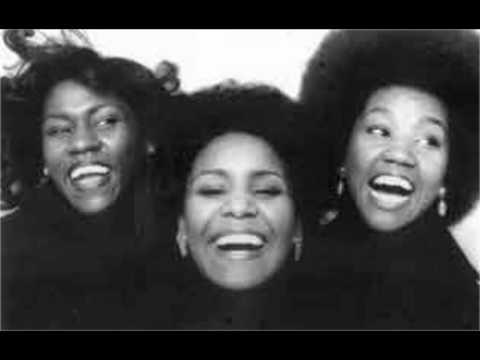
→ More from the 1970s File
View all 1970s hits →




Keep digging