The 1970s File Feature
Don't Do It
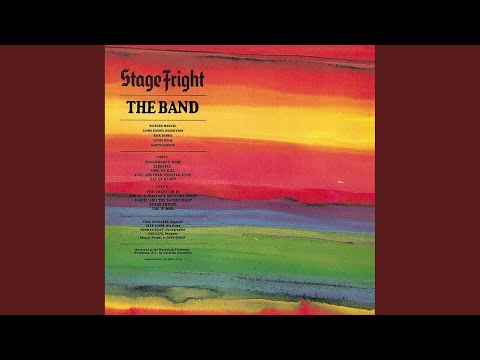
Don't Do It by The Band Picture 1972, when The Band stood among the most respected and influential groups in rock, masters of a rootsy, soulful Americana sou…
01 The Story
"Don't Do It" by The Band
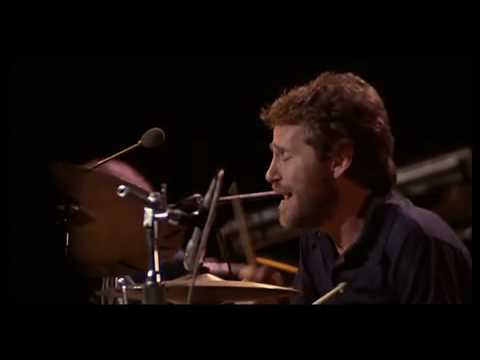
Picture 1972, when The Band stood among the most respected and influential groups in rock, masters of a rootsy, soulful Americana sound. With their live rendition of "Don't Do It," The Band delivered a soulful, energetic performance of a classic R&B song, showcasing the tight musicianship and deep groove that made them legends. The track captured the group's gift for interpreting and inhabiting great material, a powerful example of their roots-rock mastery.
Roots-Rock Legends
By 1972 The Band had earned a place among rock's most acclaimed groups, beloved for their rootsy blend of rock, folk, country, soul, and Americana. The group was famous for classics like "The Weight" and for their work backing Bob Dylan, a body of work that established them as one of the most influential and respected acts in popular music. Their version of "Don't Do It," a soulful R&B number, demonstrated their gift for interpreting classic material and inhabiting it completely with their tight, soulful musicianship.
A Soulful, Energetic Performance
The recording captures The Band's deep groove and superb musicianship, bringing soulful energy to the classic R&B song. The mood is urgent and impassioned, a plea against a lover leaving delivered with genuine feeling. The arrangement showcases the group's remarkable interplay, the way the musicians locked together into a tight, soulful whole. There is a warmth and authenticity throughout, the sound of master musicians who understood the roots of the music they played. It demonstrates The Band's gift for taking great material and making it their own through sheer skill and feeling.
Its Run on the Hot 100
The single performed well during its autumn chart run. It debuted on the Billboard Hot 100 on September 16, 1972, at number 86, then climbed quickly through 66, then 59, then 50, then 40 in rapid succession across the following weeks. It continued upward until it peaked at number 34 during the week of November 4, 1972. Across its life the record spent eleven weeks on the Hot 100, a solid showing that confirmed The Band's appeal and the power of their soulful, energetic performance of the classic song.
Part of a Legendary Catalog
"Don't Do It" belongs to the catalog of one of rock's most influential and respected groups, a soulful and energetic example of their roots-rock mastery. It captures The Band's gift for deep groove, tight musicianship, and the interpretation of great material. The song endures as an example of their remarkable musical skill and their understanding of the soulful roots of American music. It reflects a group whose influence on rock and Americana was profound and whose musicianship remains admired by fans and fellow musicians alike.
The Mastery of The Band
The Band occupied a singular place in rock history, a group of extraordinary musicians whose deep understanding of American musical roots set them apart from nearly all their peers. They drew on rock, folk, country, soul, gospel, and blues, blending these traditions into a sound that felt timeless and authentic, deeply connected to the history of American music. Their musicianship was legendary, the way the players locked together into a tight, soulful whole, each member contributing to a group sound greater than the sum of its parts. A track like "Don't Do It" demonstrates that mastery, the group bringing their deep groove and feel to a classic R&B song and making it entirely their own. There is real significance in a group that understood the roots of the music so thoroughly, that could interpret material across genres with such authenticity and skill. The Band's influence on rock and Americana was enormous, inspiring countless musicians with their commitment to craft, feel, and the deep traditions of American song. Their soulful, energetic performance of a classic captures the essence of what made them great, a group of master musicians who could inhabit any great song and fill it with genuine feeling, deeply rooted in the music they loved.
Press play and let The Band's deep groove and soulful energy show you the work of true roots-rock masters.
"Don't Do It" — The Band's singular moment on the 1970s charts.
02 Song Meaning
The Meaning Behind "Don't Do It"
At its heart, this is a song about pleading with a lover not to leave. The title captures the central plea: do not do it, do not walk away from our love. As a soulful R&B number, the song expresses the desperate, urgent desire to keep a relationship from ending, the heartfelt appeal of someone facing the loss of the person they love. The Band deliver that plea with genuine feeling and soulful conviction.
The Plea to Stay
The central theme is desperate devotion in the face of loss. The song is a heartfelt appeal to a lover not to leave, an urgent plea to preserve a relationship on the verge of ending. That desperate desire to hold onto love captures a deeply human fear, the dread of losing someone you cannot bear to be without. The song dwells in that emotional urgency, expressing the pain and pleading of someone fighting to keep their love from walking away.
Urgency and Soul
Emotionally, the song runs on impassioned urgency. There is real desperation in the plea, the heartfelt intensity of someone facing the loss of their love. The Band deliver that emotion with soulful feeling, channeling the urgency into a deep, groove-driven performance. That impassioned emotional tone is the heart of the song, conveying the pain and longing of the plea with genuine conviction. It is heartbreak rendered as soulful, urgent music, full of feeling.
Roots Music and Emotional Truth
The cultural context suits the song. The Band were masters of rootsy American music, drawing on the deep traditions of R&B, soul, and blues that have always excelled at expressing raw emotional truth. A soulful plea against a lover leaving fit squarely into that tradition, the kind of heartfelt material these genres have long delivered. By interpreting the classic song with their tight musicianship and deep feeling, The Band honored the soulful roots of the music while making the emotion their own.
Why It Resonated
The song connected because the fear it expresses is profoundly universal. Everyone dreads losing someone they love, and the desperate plea to keep a relationship from ending speaks to that deep human fear. Hearing that urgency expressed with such soulful conviction offered genuine emotional power. Delivered with The Band's masterful musicianship and deep feeling, that plea against loss felt authentic and moving. The combination of a universally relatable fear and soulful, impassioned delivery is exactly why the song connected with listeners. There is a raw honesty in a plea this direct, in a singer laying bare the desperation of facing the loss of love. The Band understood the deep emotional roots of the material, and they delivered it with a feeling that honored those roots. By bringing their masterful musicianship and genuine soul to a heartfelt plea against losing love, they created something that resonated far beyond its words, a powerful expression of one of the most universal of human fears.
→ More from The Band
View all The Band hits →


→ More from the 1970s File
View all 1970s hits →




Keep digging