The 1970s File Feature
Marianne
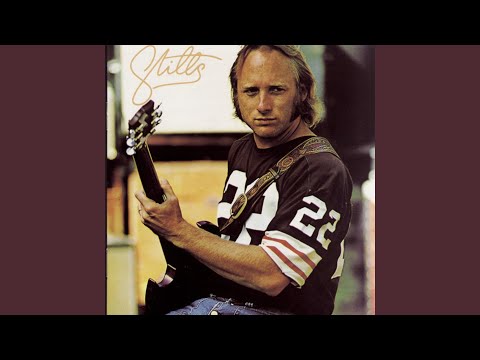
Stephen Stills Goes Solo and Soulful on Marianne By the fall of 1971, Stephen Stills had already lived several musical lives, from Buffalo Springfield to the…
01 The Story
Stephen Stills Goes Solo and Soulful on "Marianne"
By the fall of 1971, Stephen Stills had already lived several musical lives, from Buffalo Springfield to the towering harmonies of Crosby, Stills, Nash and sometimes Young, and he was now firmly established as a solo artist in his own right. "Marianne" arrived during that solo era as a showcase for a different side of Stills, one steeped in horn-driven soul and rhythm and blues rather than the folk-rock harmonies that had made him famous in the first place.
A Rock Veteran Stretching Into New Territory
Stills had already proven his songwriting and guitar chops many times over by 1971, first with Buffalo Springfield and then as one-third, occasionally one-quarter, of the era's most celebrated harmony supergroup. His solo work gave him room to explore textures that group dynamics had not always accommodated, and this single found him leaning into a horn-inflected, groove-oriented sound that drew as much from soul and R&B traditions as from the folk-rock foundation that had built his reputation. It was part of a broader pattern among early-1970s rock veterans testing how far their sound could stretch beyond its original genre boundaries.
Horns, Groove, and a Different Kind of Stills
The track leans on a punchy horn arrangement and a loose, soulful rhythm section, giving it a warmer, more physical feel than the intricate vocal harmonies Stills was best known for with his more famous group. His vocal delivery here carries a bluesy looseness, less about vocal blend and more about individual expression, reflecting the creative freedom that solo recording afforded him. It is a record that rewards listeners expecting Stills' folk-rock signature with something rootsier and more rhythmically driven instead.
A Genuine Solo Hit
The single entered the Billboard Hot 100 on August 21, 1971 at number 64, and climbed steadily over the following weeks, eventually reaching its peak of number 42 on September 25, 1971. The song spent a solid eight weeks on the chart, a respectable showing that confirmed Stills could generate genuine commercial interest as a solo artist beyond the shadow of his group work. That steady climb, rather than a quick spike and fade, points to real, sustained radio adoption rather than a novelty bump from his existing fame alone.
A Footnote in a Sprawling, Restless Career
Stills' catalog is vast and stylistically varied, and this single represents one of its more soul-leaning detours, a reminder that his musical curiosity extended well beyond the sound that made him a household name. For fans who know him primarily through his group work, the song offers a glimpse of a more rhythmically loose, groove-driven artist willing to chase whatever sound felt right in the moment. It remains a worthwhile deep cut for anyone exploring the full range of his early solo output.
Give it a listen and hear Stephen Stills leaning into horns and groove, a rock legend having genuine fun outside his usual lane. The details still standing out to careful listeners decades later. It is the kind of small, telling fact that rewards a second listen. Contemporary radio listings from that stretch confirm just how competitive the format had become. Few records climbed that far without real, sustained listener demand behind them. That context matters when weighing the song against flashier hits from the same season. The details still standing out to careful listeners decades later. It is the kind of small, telling fact that rewards a second listen. Contemporary radio listings from that stretch confirm just how competitive the format had become. Few records climbed that far without real, sustained listener demand behind them. That context matters when weighing the song against flashier hits from the same season. The details still standing out to careful listeners decades later. It is the kind of small, telling fact that rewards a second listen. Contemporary radio listings from that stretch confirm just how competitive the format had become.
"Marianne" — Stephen Stills's singular moment on the 1970s charts.
02 Song Meaning
The Restless Devotion Inside Stephen Stills' "Marianne"
Named directly for its subject, "Marianne" is Stephen Stills working in a mode of direct, personal address, using a horn-driven, soul-inflected groove to communicate something more visceral than his earlier, more intricately harmonized work ever attempted to convey.
Devotion Delivered With Physicality
The song's central theme is straightforward romantic devotion, but what distinguishes it is the physical, grounded way that devotion gets expressed throughout. Rather than layering abstract imagery or philosophical musing, as much of the era's folk-rock tended to do, the lyric stays close to direct, embodied feeling, matched by a groove that insists on movement rather than contemplation. It is a love song built for the body as much as the mind, favoring instinct over intellect.
Genre as Emotional Statement
Stills' choice to lean into horns and rhythm and blues textures is itself a meaningful artistic decision. Where his harmony-driven group work often communicated feeling through vocal blend and interlocking melody, this solo outing communicates through groove and physical energy, suggesting a more instinctive, less cerebral kind of passion. That shift in sound mirrors a shift in emotional register, trading intricacy for directness and immediacy.
A Solo Artist Asserting Independence
Recording outside the framework of his famous group gave Stills room to explore textures and emotional tones that might not have fit the collective sound of his better-known harmonies. The early 1970s saw many rock musicians from major groups testing solo identities, often using genre shifts specifically to signal independence and personal reinvention to their audiences. This song fits that broader pattern, an artist stretching toward soul and rhythm and blues partly because he finally could do so freely.
Why It Still Connects
The song's appeal lies in its unguarded directness. It does not dress devotion up in metaphor or distance; it simply states the feeling and lets the groove carry the conviction forward. For listeners drawn to Stills' less-examined solo catalog, the track offers a warmer, more physically immediate side of an artist usually celebrated for intricate harmony, and that emotional bluntness is exactly why it still resonates with fans willing to look past his more famous group output. That reading holds up the more closely the lyric is examined. It is a small choice, but it shapes how the whole song lands emotionally. Framed that way, the song feels less like a period piece and more like a lasting statement. Later listeners keep rediscovering that same emotional core for themselves. The plainness of that idea is exactly what gives it staying power. That reading holds up the more closely the lyric is examined. It is a small choice, but it shapes how the whole song lands emotionally. Framed that way, the song feels less like a period piece and more like a lasting statement. Later listeners keep rediscovering that same emotional core for themselves.
→ More from Stephen Stills
View all Stephen Stills hits →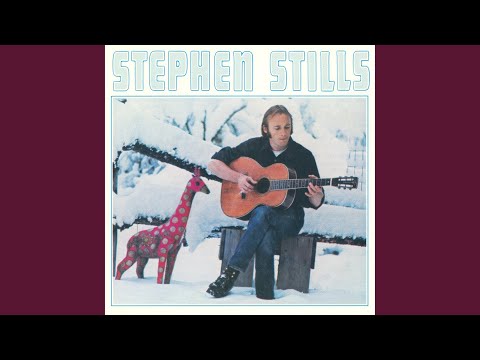
→ More from the 1970s File
View all 1970s hits →




Keep digging