The 1970s File Feature
Love The One You're With
"Love The One You're With" — Stephen Stills Steps Into the Spotlight After the Supergroup, the Solo Turn By late 1970, Stephen Stills had already participate…
01 The Story
"Love The One You're With" — Stephen Stills Steps Into the Spotlight
After the Supergroup, the Solo Turn
By late 1970, Stephen Stills had already participated in some of the most celebrated music of the decade. Buffalo Springfield, the group he had co-founded with Neil Young and Richie Furay, had dissolved after producing some of the defining songs of late 1960s California rock. Crosby, Stills and Nash, and then Crosby, Stills, Nash and Young, had become the gold standard for rock harmony and a centerpiece of the Woodstock generation's musical identity. Standing at the beginning of a solo career, Stills needed to demonstrate that his musical identity was robust enough to stand apart from those ensembles. "Love The One You're With" did exactly that, announcing a solo voice that was warmer, more funky, and more straightforwardly commercial than much of his previous work.
The Song and Its Distinctive Elements
The track opened with a guitar intro that became one of the most recognizable in early 1970s rock, followed by a gospel-influenced hand-clap rhythm that gave the recording an infectious physical energy. The song featured backing vocals from a remarkable cast of collaborators, including members of the Jefferson Airplane, Cass Elliot, and John Sebastian, among others, reflecting both Stills's deep connections within the rock community and his ability to convene talent at short notice. The production had an organic feel, the kind of looseness that suggested a live recording without sacrificing sonic quality, and the ensemble atmosphere suited the lyric's theme of communal pleasure perfectly.
The Chart Performance
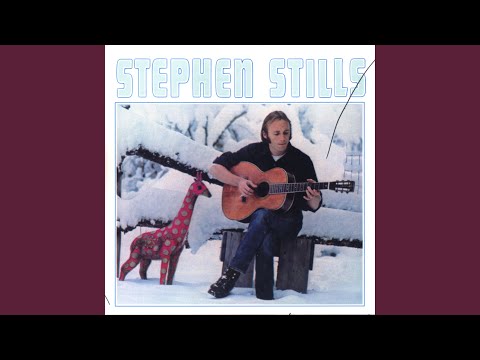
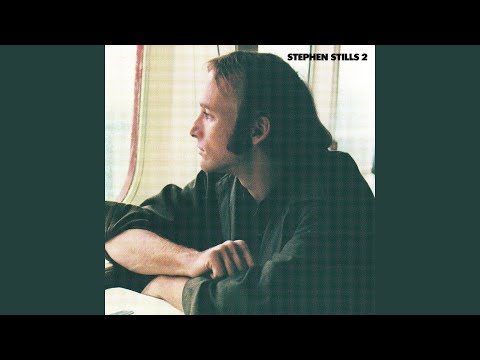
"Love The One You're With" entered the Billboard Hot 100 on December 12, 1970, at position 67. It climbed steadily over eleven weeks, reaching its peak of number 14 on January 30, 1971. For a debut solo single from a member of a major ensemble act, this was a respectable performance that confirmed Stills's commercial viability outside the group context. The record spent nearly three months on the chart, building its audience through consistent radio play and the goodwill that Stills had accumulated through his previous collaborations. The single was drawn from his self-titled debut album, Stephen Stills, which also performed well in the marketplace.
Recording at Muscle Shoals and London
The album from which the single was drawn was recorded partly at Muscle Shoals Sound Studio in Alabama and partly in London, a combination that reflected both the international reach of the late 1960s rock scene and Stills's deliberate choice to tap into different musical traditions. Muscle Shoals Sound Studio was already legendary by 1970 as the location where some of the defining rhythm and blues and soul recordings of the decade had been made, and Stills was among the rock artists who recognized the value of recording there with its house musicians. The album's sessions also featured Jimi Hendrix, one of the few posthumously credited collaborations of that moment in music history.
The Song's Life Beyond the Charts
Few debut singles have traveled as far in cultural memory as "Love The One You're With." The song has been covered by Isley Brothers and numerous other artists; it has appeared in films, television commercials, and sporting events; and it has been adopted as a phrase that transcends its musical origins. The YouTube audience has given the original recording nearly 4.4 million views across decades of availability. Stills went on to have a distinguished if somewhat erratic solo career alongside continued work with Crosby, Stills and Nash, but this single stands as the moment he established himself as a commercial and artistic force on his own terms. Press play and feel the hand claps pull you in.
"Love The One You're With" — Stephen Stills's singular moment on the 1970s charts.
02 Song Meaning
"Love The One You're With" — Pragmatism, Freedom, and the Ethics of Presence
A Philosophy in Three Minutes
The central message of "Love The One You're With" is both simple and slightly subversive: if you cannot be with the person you love, make the most of who is actually present. This pragmatic, even situational approach to romantic attachment sat at an interesting angle to both the idealistic love songs of the pop mainstream and the more radical free-love ideology of the counterculture. The song did not advocate for either total commitment or total abandon; it proposed something more honest about human nature, that longing for the absent is a luxury, and that presence is its own form of intimacy. This small philosophical provocation gave the lyric more longevity than a more conventionally romantic sentiment might have produced.
The Cultural Moment and Its Freedoms
By 1970, the sexual revolution of the 1960s had produced a generation that was genuinely renegotiating the terms of romantic and sexual life. The hippie counterculture had challenged traditional monogamy in ways that mainstream society was still processing, and popular music often served as a barometer of how far those challenges had penetrated into the broader culture. "Love The One You're With" occupied a middle ground, acknowledging the new freedoms without fully endorsing any particular ideology. It was knowing rather than innocent, flexible rather than doctrinaire, and that quality made it legible to a wide audience that included both committed counterculturalists and more conventional listeners.
The Gospel Undercurrent
The musical choices in the recording carry their own thematic significance. The hand-clap rhythm and gospel-influenced backing vocal arrangements located the song's message in a tradition of communal affirmation, the church call-and-response transposed into secular rock. Gospel music has always been concerned with presence and community, with the experience of collective feeling in the moment, and the sonic echoes of that tradition in "Love The One You're With" suggest that the song's message has spiritual as well as pragmatic dimensions. To be fully present with whoever is near you is, the music implies, a form of grace, not just a convenient accommodation.
Why the Song Has Outlasted Controversy
When it was released, the song attracted some criticism for what detractors saw as a casual attitude toward fidelity. But the lyric is more nuanced than its critics acknowledged: it describes a specific emotional situation (separation from a loved one) and proposes a response (engagement with the present) rather than a general philosophy of promiscuity. The distinction matters, because it is what has allowed the song to retain its resonance across vastly different cultural moments. A song that simply advocated for sexual freedom would have dated quickly; a song about the value of presence over longing remains relevant regardless of what society thinks about monogamy in any given decade.
Stills's Voice and the Song's Emotional Register
Stephen Stills's vocal delivery on the recording is warm, unhurried, and genuinely persuasive. He does not sing the song as a seducer's pitch; he sings it as something closer to wisdom, hard-won and offered without pressure. That interpretive choice transformed the lyric's potential ambiguity into something more generous, an invitation rather than a demand. Nearly 4.4 million YouTube views suggest that the combination of philosophical insight and musical warmth continues to resonate across generations. The song invites the listener to put down their longing and inhabit the present, which is, in any era, advice worth hearing.
→ More from Stephen Stills
View all Stephen Stills hits →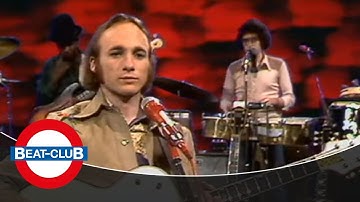
→ More from the 1970s File
View all 1970s hits →




Keep digging