The 1970s File Feature
When You Get Right Down To It
When You Get Right Down To It by Ronnie Dyson Picture the early 1970s, when soul music was growing richer and more sophisticated, and a young singer with a s…
01 The Story
"When You Get Right Down To It" by Ronnie Dyson
Picture the early 1970s, when soul music was growing richer and more sophisticated, and a young singer with a soaring, expressive voice could make a name carrying lush, orchestrated ballads. Ronnie Dyson was one of those gifted vocalists, an artist who had come up through the theater before turning to recording. This tender single is a fine example of the smooth, emotionally rich soul that defined his appeal during this stretch of his career.
From the Stage to the Studio
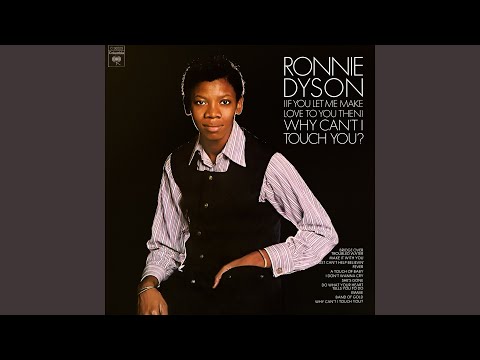
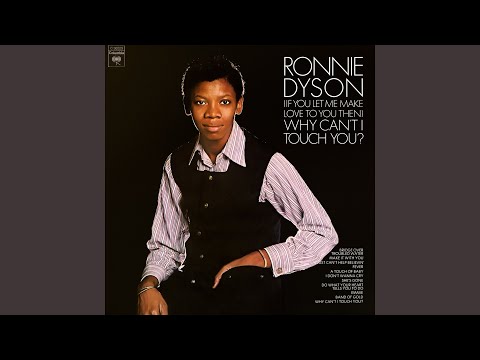
Ronnie Dyson first gained attention through musical theater, bringing a trained, dynamic voice to his recording career. He had broken through with the hit "(If You Let Me Make Love to You Then) Why Can't I Touch You?", a success that established him as a soul vocalist of real promise. His background gave his singing a polished, dramatic quality, and he excelled at the kind of lush, orchestrated material that showcased his expressive range. This single fit comfortably within that wheelhouse.
A Lush Soul Ballad
The track is a smooth, string-laden soul number, built to highlight Dyson's warm, soaring vocal. The arrangement surrounds him with the rich orchestration that characterized much of the era's sophisticated soul, a sound that paired emotional depth with elegant production. It reflected the early-1970s trend toward more polished, grown-up soul music, the kind designed to move listeners through both feeling and craft. Dyson's voice is the centerpiece, supple and full of emotion.
A Brief Run on the Hot 100
On the pop chart, the single made a short appearance. It debuted on the Billboard Hot 100 at number 99 on July 24, 1971, then edged upward the following week. It reached its peak of number 94 on July 31, 1971. The song spent two weeks on the Hot 100, a brief run on the all-genre chart that nonetheless added to Dyson's catalog of smooth, well-crafted soul recordings during this productive period.
The Rise of Sophisticated Soul
The early 1970s marked a turning point for soul music, a moment when the genre grew more lush, more orchestrated, and more emotionally complex. The raw, gritty soul of the previous decade was giving way to a smoother, more sophisticated style, full of sweeping strings and refined arrangements aimed at adult listeners. This was the era that produced some of the most elegant soul ever recorded, music that treated romance and emotion with grown-up seriousness. Ronnie Dyson, with his theatrically trained voice and his gift for tender, dramatic material, was perfectly suited to that moment. A song like this one showcases everything that made the style so appealing, pairing rich orchestration with a vocal performance of real depth and control. It is a fine example of soul music maturing into something more polished without losing its emotional core.
A Gifted Voice Remembered
Though this single was a modest entry, Ronnie Dyson is remembered as a talented soul vocalist whose voice deserved a wider spotlight. He continued recording soul and R&B throughout the 1970s, building a body of work admired by fans of the genre. His expressive, theatrically trained voice set him apart, and recordings like this one preserve the warmth and skill he brought to every performance. He remains a cherished name among devotees of classic soul.
Give it a listen to hear a beautifully expressive voice wrapped in lush, elegant production. It is the sound of a gifted singer pouring real feeling into every note, a voice that deserved a far wider stage than it ever quite found. The performance lingers, the kind of warm, expressive singing that rewards a quiet, attentive listen and reveals a little more of its beauty with each return. It is soul music made with genuine care, and it deserves to be remembered.
"When You Get Right Down To It" — Ronnie Dyson's singular moment on the 1970s charts.
02 Song Meaning
The Meaning of "When You Get Right Down To It"
This is a song about cutting through the noise to find what truly matters in love. The title points toward that idea, the act of stripping away everything inessential to reach the heart of a relationship. Through its smooth, soulful delivery, the song reflects on honesty, devotion, and the simple truths that survive once the complications fall away.
Getting to the Heart of It
The lyric is built around the idea of reaching the essential truth beneath the surface of a relationship. The central theme is finding what genuinely matters in love, the core of feeling that remains when distractions and complications are set aside. It is a search for clarity, a desire to know where two people really stand once everything else is cleared away. That honesty gives the song its emotional weight.
Devotion Stripped Bare
Beneath the reflection runs a current of deep, sincere devotion. The song treats real love as something that endures examination, that holds up when everything inessential is removed. That suggests a love confident enough to be tested, a feeling that grows stronger rather than weaker under honest scrutiny. The smooth delivery underlines that quiet sincerity.
Cutting Through the Noise
There is wisdom in the song's central impulse to strip things down to essentials. It values clarity and honesty over surface and pretense, suggesting that real love reveals itself only when the distractions fall away. In any relationship, so much can cloud the truth, the small frictions, the misunderstandings, the noise of daily life. The song proposes that beneath all of it lies a simple question of whether the love is real, and it finds reassurance in answering yes. That search for clarity gives the smooth ballad a thoughtful, grounded quality.
The Sophistication of Soul
The song reflects the early-1970s movement toward more grown-up, emotionally nuanced soul music. It speaks in the mature, reflective language of the era's lush soul ballads, music aimed at adult listeners and real feelings. That sophistication is part of its meaning, a sense that love is being examined thoughtfully rather than merely celebrated. Dyson's expressive voice carries that depth beautifully.
Why It Resonates
The song connects because its central question is one everyone faces in love. The desire to know what truly matters in a relationship is universal, a longing for honesty beneath all the surface noise. By exploring that search through a warm, elegant soul performance, the song turns a simple idea into something genuinely moving, the kind of reflection that rewards a thoughtful, unhurried listen and lingers quietly in the mind for a long while after it ends. Honesty, the song reminds us, is where real love begins.
→ More from Ronnie Dyson
View all Ronnie Dyson hits →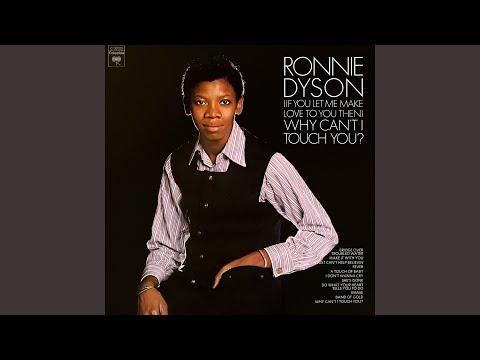
→ More from the 1970s File
View all 1970s hits →




Keep digging