The 1970s File Feature
(If You Let Me Make Love To You Then) Why Can't I Touch You?
(If You Let Me Make Love To You Then) Why Can't I Touch You? by Ronnie Dyson: A Young Voice From the Stage Reaches the Top Ten Step into 1970, a moment when …
01 The Story
"(If You Let Me Make Love To You Then) Why Can't I Touch You?" by Ronnie Dyson: A Young Voice From the Stage Reaches the Top Ten
Step into 1970, a moment when the boundaries between Broadway, soul, and pop were blurring in fascinating ways. Ronnie Dyson emerged from exactly that intersection, a gifted young singer who had made his name in the theater before crossing over to the pop charts. His single, with its long and provocative title, became a genuine top-ten hit, showcasing a soaring voice and a sophisticated sensibility drawn from the worlds of both stage and soul.
From Broadway to the Charts
Ronnie Dyson came to pop stardom by an unusual route. He had appeared in the groundbreaking Broadway musical Hair, the countercultural sensation that brought a new energy and openness to the American stage. That theatrical background gave Dyson a dramatic flair and a polished vocal technique that set him apart from many of his pop contemporaries. He possessed a remarkable voice, capable of soaring into a clear, expressive upper register. When he transitioned to recording, he brought that stagecraft and vocal sophistication to his singles, creating music that bridged the worlds of theater and soul.
A Lush and Dramatic Ballad
The song itself is a sophisticated piece of orchestral soul-pop. Built around Dyson's soaring vocal and a lush, dramatic arrangement, it explores a tender and emotionally complex sentiment. The production has a cinematic, theatrical quality, full of strings and dynamic shifts that showcase the singer's expressive range. The provocative title frames a thoughtful meditation on intimacy and emotional connection, delivered with genuine feeling. It was the kind of ambitious, richly produced ballad that found a welcoming audience in the early 1970s, when pop and soul were reaching for greater sophistication.
A Strong Climb Into the Top Ten
The single performed impressively on the Hot 100. "(If You Let Me Make Love To You Then) Why Can't I Touch You?" debuted at number 89 on June 20, 1970, and climbed steadily through the summer. It reached its peak of number 8 on August 29, 1970, securing a coveted spot in the top ten, and it remained on the chart for 14 weeks. That was an excellent showing, establishing Dyson as a genuine chart force and confirming the broad appeal of his sophisticated, theatrically influenced soul. The long chart run reflected how thoroughly the song's emotional richness connected with listeners.
A Distinctive Talent Remembered
In the larger story of 1970s soul, Ronnie Dyson stands as a distinctive and gifted talent. His blend of theatrical polish and soulful expression set him apart, and this single remains his most celebrated recording. He would continue to record throughout the decade, building a respected catalog. This song captures him at his commercial and artistic peak, a young singer with an extraordinary voice reaching a wide audience. For lovers of sophisticated early-1970s soul, it remains a beautiful and memorable example of his particular gifts.
The Crossover of Stage and Soul
Ronnie Dyson's career illuminates a fascinating moment when the worlds of Broadway and popular soul music were drawing closer together. The countercultural energy of the late 1960s had transformed the American stage, and shows like the one that launched Dyson brought new sounds and sensibilities to the theater. Performers trained in that environment carried their dramatic skills and vocal discipline into the recording studio, enriching pop and soul with a theatrical sophistication. Dyson embodied that exchange, bringing the polish of the stage to the emotional directness of soul. His voice, capable of operatic flights and tender intimacy alike, reflected that dual heritage. Recordings like this one demonstrate how the cross-pollination between theater and popular music could produce something genuinely distinctive, music that combined the grandeur of the stage with the heart of soul.
Press play and let the soaring, theatrical beauty of Ronnie Dyson's voice carry this lush soul ballad straight to your heart.
"(If You Let Me Make Love To You Then) Why Can't I Touch You?" — Ronnie Dyson's singular moment on the 1970s charts.
02 Song Meaning
The Meaning of "Why Can't I Touch You?": The Gap Between Physical and Emotional Intimacy
Beneath its provocative title, this song explores a surprisingly tender and thoughtful idea: the painful gap between physical closeness and genuine emotional connection. The song questions why a relationship can include physical intimacy yet still feel emotionally distant, why bodies can come together while hearts remain apart. It is a meditation on the difference between being close and truly connecting.
The Central Theme of Emotional Distance
At its heart, the song wrestles with the loneliness that can exist within a physical relationship. The narrator questions why intimacy of the body does not guarantee intimacy of the heart, why he can be physically close to someone yet feel unable to truly reach them. There is a yearning here for deeper connection, a frustration with a relationship that offers closeness without genuine emotional contact. The song captures that particular ache, the sense of being near someone and still feeling a distance that cannot be bridged through touch alone.
Tenderness Beneath a Bold Title
The provocative title belies the song's genuine emotional sensitivity. Dyson delivers the lyric with a soaring, expressive vulnerability that transforms what might seem merely suggestive into something deeply heartfelt. His theatrical, soulful voice conveys real longing and confusion, the searching of someone who wants more than physical connection can provide. That tenderness is the heart of the song, revealing a thoughtful meditation on intimacy beneath the bold framing of the title.
A Reflection of Changing Attitudes
The song arrived during a period of shifting attitudes toward love and intimacy. The early 1970s saw popular music exploring relationships with greater frankness and emotional complexity, moving beyond the innocent romance of earlier eras. A song willing to address the gap between physical and emotional intimacy reflected that new openness. It treated the subject with both candor and sensitivity, capturing a more mature and questioning approach to love that suited the evolving sensibilities of its moment.
Why It Still Resonates
The song endures because the dilemma it explores is so deeply human. Many people have experienced the loneliness of a relationship that offers closeness without true connection, the longing to be emotionally reached and not merely physically held. Dyson gave that complex feeling a beautiful, soaring voice, allowing listeners to recognize their own yearning. The result is a thoughtful, tender meditation on what genuine intimacy really means, which is exactly why it continues to resonate with anyone who has wished to be truly touched, heart and soul. The hunger for real connection, not merely proximity, is among the deepest of human longings, and the song gives it a voice of rare beauty that still speaks to listeners today.
→ More from Ronnie Dyson
View all Ronnie Dyson hits →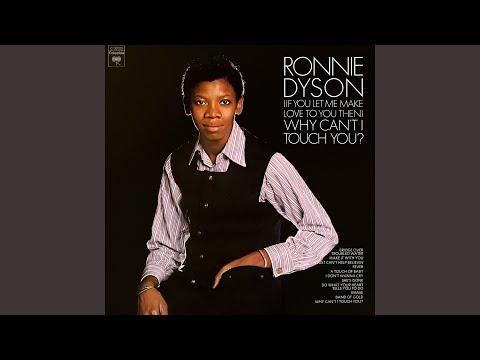
→ More from the 1970s File
View all 1970s hits →




Keep digging