The 1970s File Feature
Who'd She Coo?
Ohio Players Bring the Funk on Who'd She Coo? The mid-1970s were a golden age for funk, that irresistible blend of groove, attitude, and swagger that had bod…
01 The Story
Ohio Players Bring the Funk on "Who'd She Coo?"
The mid-1970s were a golden age for funk, that irresistible blend of groove, attitude, and swagger that had bodies moving on dance floors across America. Few bands embodied the genre's flamboyant energy better than the Ohio Players, a group known for their tight musicianship, their bold visual style, and their string of infectious hits. "Who'd She Coo?" arrived in the summer of 1976 as another slice of their signature sound, a funky, hard-grooving single that kept the band firmly in the spotlight.
Funk Kings at Their Commercial Peak
The Ohio Players came to this song riding a remarkable hot streak. The band had scored a series of major hits in the mid-1970s, becoming one of the most successful funk groups of the era with their tight grooves and memorable hooks. They had topped the charts and built a reputation as one of the genre's premier live acts. By 1976 they were established stars, and "Who'd She Coo?" continued their run of danceable, instantly recognizable singles. The group's combination of musical precision and showmanship made them a defining force in funk's commercial heyday.
The Sound of Tight, Hard-Hitting Funk
Musically the song is built on a punchy, syncopated groove, full of the rhythmic muscle that was the band's trademark. The arrangement leans on a tight rhythm section, sharp horns, and the kind of locked-in interplay that made funk so physically irresistible. There is grit and swagger in every bar, the sound of a band that knew exactly how to make people move. The track radiates confidence and energy, a showcase for the musicianship and groove that set the Ohio Players apart from many of their contemporaries.
A Strong Climb on the Hot 100
The chart performance reflected the band's commercial strength. "Who'd She Coo?" debuted on the Billboard Hot 100 dated June 26, 1976, at number 81. It climbed steadily through the summer, rising to 71, then 61, 45, and 41 over successive weeks. The song ultimately peaked at number 18 on the chart dated September 18, 1976. It enjoyed an impressive run of seventeen weeks on the Hot 100, cracking the top twenty and confirming the band's continued popularity. That lengthy stay reflected the song's enduring appeal on dance floors and radio alike throughout the summer and into the fall.
A Highlight of the Funk Era
Within the Ohio Players' catalog, "Who'd She Coo?" stands as a strong example of their mid-seventies dominance. The band remained a major force in funk and soul, beloved for their grooves and their flamboyant style. The song captures the energy and confidence of a group at the top of its game, delivering exactly the kind of danceable funk that defined the era. For lovers of the genre, it remains a satisfying reminder of why the Ohio Players were among funk's most celebrated practitioners.
Musicianship at the Core
What separated the Ohio Players from many of their funk contemporaries was the depth of their musicianship. This was a band of genuine players, capable of intricate arrangements and tight ensemble work that elevated their grooves above mere dance fodder. Their horn sections punched with precision, their rhythm section locked together with remarkable discipline, and their songs were built with real care for dynamics and texture. "Who'd She Coo?" showcases that craftsmanship, a track where the groove feels effortless precisely because the band worked so hard to make it so. That combination of technical skill and pure funk feeling was the foundation of their success.
Flamboyance and Showmanship
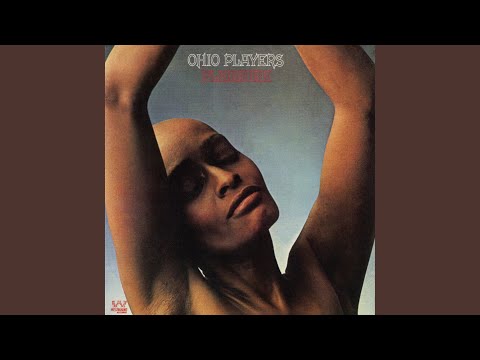
The Ohio Players were as known for their bold visual identity as for their music, a band that understood the value of spectacle. Their album artwork became famous in its own right, and their live shows were vibrant, theatrical affairs. That flair for showmanship was part of a broader funk aesthetic that prized boldness, color, and larger-than-life presentation. A song like "Who'd She Coo?" was meant to be experienced as part of that whole package, the audio counterpart to a band that delivered funk as full-blown entertainment. The swagger in the grooves was inseparable from the swagger of the act itself.
Press play and let the groove take over; this is the Ohio Players proving why they ruled the funk era.
"Who'd She Coo?" — Ohio Players's singular moment on the 1970s charts.
02 Song Meaning
The Playful Groove of "Who'd She Coo?"
"Who'd She Coo?" is a song built more around feel and funk than around any complex message, a track designed to make you move first and think second. Its meaning lives in its groove, its swagger, and the playful energy that runs through every bar. This is dance music in the purest sense, a celebration of rhythm, attitude, and the irresistible pull of a great funk track.
Groove as the Message
The central appeal is the sheer physical pleasure of the funk. The song prioritizes rhythm and feel over narrative, inviting the listener to lose themselves in the groove. Whatever story the lyrics suggest, the real subject is the music itself, the tight interplay and infectious energy that demand a physical response. The song paraphrases the spirit of the dance floor, where the body takes over and the beat becomes the whole point. It is music made to be felt rather than analyzed.
Attitude and Swagger
Emotionally, the song trades in confidence and playfulness. There is a cool, assured swagger to the track, the sound of a band fully in command of its powers. That attitude is central to funk as a genre, a music built on bold self-expression and unapologetic groove. The song radiates the kind of effortless cool that made the Ohio Players such a captivating act, an invitation to share in their confidence and let loose.
A Song for the Dance Floor
The cultural context gives the song its purpose. The mid-1970s were a peak moment for funk and dance music, when the groove ruled and the dance floor was a place of joy and release. This song fit that culture perfectly, providing exactly the kind of rhythmic energy that filled clubs and parties. It belonged to a broader celebration of movement and physical expression, music that brought people together through the universal language of the beat.
Why It Connected
The song resonated because its groove is simply irresistible. Listeners responded to the tight musicianship and the infectious, danceable energy. You do not need to parse the lyrics to feel the pull of a great funk track; the body responds before the mind has a chance. That immediate physical appeal, paired with the band's undeniable skill, made the song a favorite on dance floors throughout its long chart run.
A Lasting Funk Pleasure
What endures is the song's pure groove. It does not strive for deep meaning so much as physical joy, and that joy is its lasting gift. The meaning lives in the celebration of rhythm and movement, a sentiment as timeless as dance itself. Carried by the Ohio Players' formidable musicianship, the track remains a reliable shot of funk energy, an invitation to stop thinking and simply move.
→ More from Ohio Players
View all Ohio Players hits →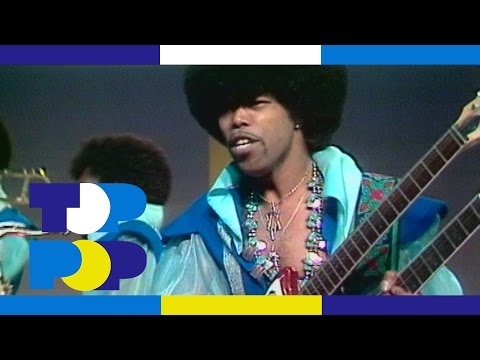
→ More from the 1970s File
View all 1970s hits →




Keep digging