The 1970s File Feature
Love Rollercoaster
Love Rollercoaster — Ohio Players Ohio Players' "Love Rollercoaster" reached number one on the Billboard Hot 100 in early 1976, confirming the Dayton-based f…
01 The Story
Love Rollercoaster — Ohio Players
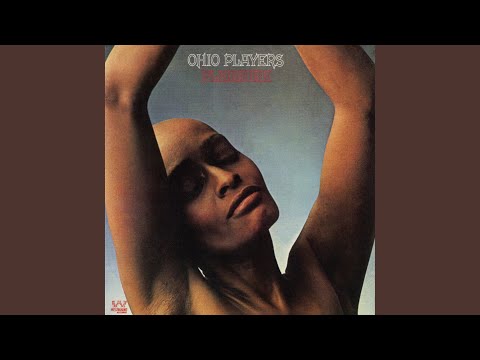
Ohio Players' "Love Rollercoaster" reached number one on the Billboard Hot 100 in early 1976, confirming the Dayton-based funk ensemble as one of the most commercially potent acts in American popular music and validating the visceral, rhythmically complex approach they had been developing since their formation in the 1960s. The record came from the album Honey, released on Mercury Records in 1975, and it captured the group at a peak of creative confidence and commercial momentum that had been building across several strong album releases.
The Ohio Players had undergone significant evolution before arriving at the sound that produced "Love Rollercoaster." Originally formed in the early 1960s in Dayton, Ohio, as the Ohio Untouchables, the group had worked as a backing band, recording and touring with acts including the Falcons, before gradually developing their own independent recording career. By the time they signed with Mercury Records, the ensemble that would record "Love Rollercoaster" was in place: a collective of skilled musicians including Leroy "Sugarfoot" Bonner on guitar, Billy Beck on keyboards and vocals, Marvin Pierce on guitar, Marshall Jones on bass, James "Diamond" Williams on drums, Ralph "Pee Wee" Middlebrooks on trumpet, and Bruce Napier on tenor saxophone.
The collective songwriting and production approach that Ohio Players employed was central to their sound. Rather than relying on a single dominant creative vision, the group developed their recordings through a collaborative process in which the interplay between musicians was as important as any individual contribution. "Love Rollercoaster" emerged from this process as a demonstration of ensemble virtuosity in which every element of the arrangement contributed to the track's propulsive energy. The bass line, in particular, became one of the most immediately recognizable in funk history, its repetitive groove providing the foundation around which all other elements organized themselves.
The production of the track, handled by the group collectively, reflected their deep familiarity with the possibilities of the recording studio as an instrument in its own right. Sound effects, including the vocal screams that punctuate the track and became the subject of persistent urban legend, were deployed to create a sense of theatrical excitement that matched the song's lyrical celebration of romantic abandon. The group understood that in the increasingly competitive marketplace of mid-1970s funk and soul, sonic distinctiveness was a commercial as well as artistic asset, and their recordings consistently delivered unexpected elements that rewarded repeated listening.
The Hot 100 number one position achieved by "Love Rollercoaster" was the commercial peak of Ohio Players' recording career, and it demonstrated the genre's capacity to reach beyond its core R&B audience into mainstream pop. Funk in the mid-1970s occupied an interesting position in the commercial landscape: sufficiently rhythmically complex to maintain the loyalty of listeners committed to black music traditions while accessible enough in its melodic and structural elements to reach the broader pop audience. "Love Rollercoaster" achieved this crossover with apparent ease, and its chart performance reflected the breadth of its appeal.
Radio play was extensive, and the record received strong promotion from Mercury's promotional staff, who recognized in the single the kind of hook-driven dance floor energy that translated well across multiple radio formats. Urban contemporary and R&B stations embraced it as a natural extension of the Ohio Players' existing audience, while pop and album-oriented rock stations found the record's sonic distinctiveness and rhythmic drive compatible with their programming needs.
The urban legends that grew up around the recording, particularly the persistent claim that the scream audible in the track was a genuine cry of pain from someone injured during the session, had no factual basis but added to the record's mystique in ways that perhaps amplified its cultural footprint. These legends spread through word of mouth in the pre-internet era with remarkable speed and persistence, demonstrating that popular music of sufficient distinctiveness can generate its own mythological accretion regardless of the intentions of those who made it.
"Love Rollercoaster" was subsequently covered by the Red Hot Chili Peppers for the Beavis and Butt-Head Do America soundtrack in 1996, introducing the song to a new generation of listeners through a version that honored the original's energy while adapting it to contemporary rock production values. This cover brought renewed attention to the Ohio Players' original and helped sustain the record's presence in popular culture well beyond what its mid-1970s context alone could have achieved. The song's use in film, television, and various media contexts across subsequent decades has maintained its status as one of the definitive funk recordings of the twentieth century.
02 Song Meaning
Rhythm as Metaphor: The Meaning of "Love Rollercoaster"
"Love Rollercoaster" uses the amusement park ride as a central metaphor for romantic experience, and the choice is more precise than it might initially appear. A rollercoaster is a controlled experience of fear, excitement, and physical exhilaration: the rider submits voluntarily to forces that feel dangerous but are actually managed, surrendering control in exchange for intensity. As a description of romantic passion, this metaphor captures something essential about the experience of being in love that more conventional romantic imagery often misses.
The song's lyrical content, as developed by the Ohio Players through their collective songwriting process, emphasizes the physical and emotional dimensions of this experience simultaneously. Romantic love in the song's telling is not primarily an intellectual or spiritual affair but a full-body experience, something felt in the stomach and the muscles as well as the heart. This embodied quality of the lyric is matched by the embodied quality of the music itself, which is designed to produce physical response in listeners and dancers rather than contemplative reflection.
Ohio Players' funk aesthetic was built on the principle that musical meaning is transmitted through rhythm and groove as directly and completely as through melody or harmony. The bass line that anchors "Love Rollercoaster" communicates excitement and forward momentum as surely as any verbal content, and the interplay between the rhythm section and the horn arrangement creates a texture of controlled energy that precisely mirrors the song's stated subject. The music is doing what the lyric is describing.
The theatrical elements in the production, including the sound effects and the screams that punctuated the recording, added another layer of meaning by invoking the sensory environment of an actual amusement park. These choices reflect an understanding that popular music can create immersive experiential contexts rather than simply delivering content, and that listeners respond to sonic environments that engage their imagination as well as their emotions. The screams in particular created a quality of ambient excitement that placed the listener within the metaphor rather than simply describing it to them.
The song also participated in the broader funk tradition of treating the dance floor as a space of communal liberation, where the ordinary hierarchies and constraints of everyday life are suspended in favor of shared physical and emotional release. The Hot 100 number one position the record achieved demonstrated that this message had broad cultural resonance extending well beyond the core funk audience, reaching listeners across demographic lines who recognized in the song's energy something genuine and appealing.
For the Ohio Players' artistic identity, "Love Rollercoaster" represented the successful translation of their collaborative musical intelligence into a form that could function as mass entertainment without sacrificing the qualities that made their music distinctive. The song's meaning is inseparable from its sound: the rollercoaster of the title is enacted in the rhythm and the arrangement as much as it is described in the lyric, making it one of those relatively rare popular recordings where form and content are genuinely unified.
→ More from Ohio Players
View all Ohio Players hits →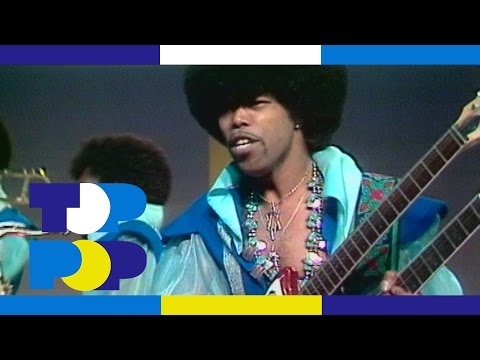

→ More from the 1970s File
View all 1970s hits →




Keep digging