The 1970s File Feature
Good Friend
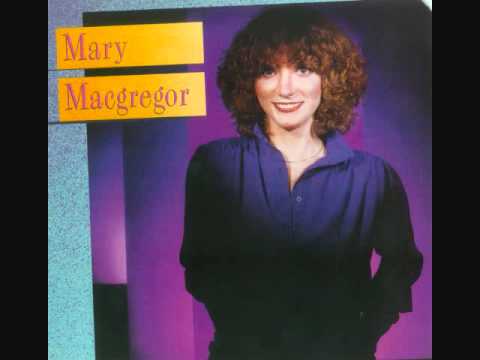
Good Friend: Mary MacGregor, the Meatballs Soundtrack, and a Career's Second Chapter Mary MacGregor's "Good Friend" arrived in 1979 as part of one of the mos…
01 The Story
Good Friend: Mary MacGregor, the Meatballs Soundtrack, and a Career's Second Chapter
Mary MacGregor's "Good Friend" arrived in 1979 as part of one of the most unexpected commercial properties of that summer: the soundtrack to Ivan Reitman's comedy film Meatballs, a low-budget Canadian production starring Bill Murray that became one of the highest-grossing films of the year. MacGregor, whose identity as a recording artist was almost entirely defined by her 1976 smash "Torn Between Two Lovers," contributed "Good Friend" to the Meatballs soundtrack on RSO Records, the label that had dominated the commercial landscape through the Saturday Night Fever and Grease soundtracks in 1977 and 1978 and was looking for its next major soundtrack property.
"Torn Between Two Lovers" had been an extraordinary commercial phenomenon when it appeared in late 1976 and climbed to number one on the Billboard Hot 100 in January 1977, where it remained for two weeks. The song also spent weeks at the top of the adult contemporary chart and generated album sales and touring opportunities that established MacGregor as a significant commercial presence in the soft rock and adult contemporary fields. The challenge she faced was the one that confronts all artists who achieve a defining hit: how to build a subsequent career without simply replicating a formula that audiences might accept but critics would characterize as repetitive.
"Good Friend" represented one approach to that challenge: rather than pursuing another dramatic romantic ballad in the mold of "Torn Between Two Lovers," the song occupied the lighter, warmer territory of friendship and affection rather than the more charged emotional space of romantic conflict. The placement within a summer comedy film soundtrack rather than as a standalone pop single also suggested a different commercial strategy, aligning the record with the film's audience rather than competing directly on pop radio against artists whose commercial momentum was greater than MacGregor's at that particular moment.
The Meatballs soundtrack was released on RSO Records in 1979. RSO at this point was operating in the aftermath of the extraordinary success of its two massive soundtrack albums, and the label's ability to market and distribute soundtrack product gave it a competitive advantage in placing songs like "Good Friend" in front of audiences who had come to the film and were receptive to its music. The film performed exceptionally well commercially, earning approximately forty million dollars at the US box office against a budget of around one and a half million dollars, a return ratio that made it one of the most profitable Canadian productions to that point.
The production of "Good Friend" followed the conventions of late-1970s soft rock and adult contemporary, favoring clean arrangements, polished studio craft, and a vocal performance from MacGregor that demonstrated her ability to communicate warmth and sincerity without straining for dramatic effect. Her voice, which had the approachable quality that had made "Torn Between Two Lovers" feel intimate despite its commercial scale, suited the song's gentler emotional register naturally, and the production gave her space to inhabit the material rather than forcing it.
The song did not replicate the extraordinary chart success of "Torn Between Two Lovers," and MacGregor's commercial profile in the years following 1979 was substantially lower than it had been in the peak years of 1976 to 1978. The adult contemporary field was changing as the decade turned, with new acts and new production styles pushing the sound in directions that would define the 1980s. MacGregor's voice and sensibility were products of a particular mid-1970s aesthetic that was beginning to feel dated by the early 1980s, as synthesizer-heavy production and a harder-edged pop sound came to dominate commercial radio.
Nevertheless, "Good Friend" served as evidence that MacGregor remained a capable and committed recording artist after the peak of her commercial success. Her contribution to the Meatballs soundtrack connected her with one of the summer's biggest entertainment properties and ensured that her voice reached a new cohort of listeners who might not have been primary consumers of adult contemporary radio in 1977. The song occupies a modest but genuine place in the history of late-1970s pop, both as an artifact of the soundtrack album's commercial power in that era and as a chapter in the career of one of the decade's most distinctive adult contemporary voices.
02 Song Meaning
The Value of Steadfast Friendship: What "Good Friend" Explores
Mary MacGregor's "Good Friend" occupies a relatively uncommon emotional territory in pop music: the celebration of friendship rather than romantic love. Pop music is so comprehensively organized around the drama of romantic feeling that songs which step outside that framework and direct their emotional energy toward companionship, loyalty, and the quieter satisfactions of trusted relationships can feel like a kind of relief. "Good Friend" belongs to that tradition, and its gentle warmth distinguished it from the more dramatically charged material that defined MacGregor's public identity.
The song's emotional register is one of gratitude and reassurance, belonging to the adult contemporary tradition that valued emotional directness over dramatic complexity rather than desire or longing. The narrator is not pursuing anything or losing anything; she is recognizing and affirming something she already has: a friendship that provides comfort, stability, and the sense of being known and accepted. This is a less dramatically compelling subject than the romantic conflict at the center of "Torn Between Two Lovers," and the song does not attempt to manufacture drama that is not organically present in its subject matter. The result is something calmer and in some ways more mature than the song that made MacGregor famous.
The context of the film Meatballs shaped the song's emotional function in interesting ways. The film was set at a summer camp and was fundamentally concerned with the formation of community and friendship among people who had been thrown together by circumstance. A song celebrating the value of a good friend was not merely appropriate to that context; it actively participated in the film's thematic concerns, providing a musical statement of the emotional lessons the narrative was dramatizing. In this sense "Good Friend" was genuinely integrated into the film's project rather than merely placed on its soundtrack as an independent commercial release.
The summer camp setting that generated the film's central themes also provided a context in which friendship naturally takes on heightened significance. Summer camps are environments where relationships form rapidly and intensely because of the compressed timeframe and the enforced proximity of shared living, and where the end of summer brings with it genuine feelings of loss and separation. A song about the value of friendship resonated particularly in that context because it named something that the film's characters were in the process of discovering and the film's audience might be in the process of remembering.
MacGregor's vocal performance on "Good Friend" conveyed the undemonstrative warmth that the song required. She did not oversing or reach for emotional effects that the material did not support; she simply delivered the lyric with the kind of natural, unaffected sincerity that had characterized her best performances. This restraint was appropriate to the subject matter: a song about comfortable, established friendship should not sound like a dramatic declaration, and MacGregor understood that instinctively.
Within the broader context of late-1970s pop music, "Good Friend" represented the gentler side of an era that had room for both the bombast of stadium rock and the intimate warmth of adult contemporary. The adult contemporary format, which was reaching its commercial peak in the late 1970s, had created a space for music that addressed adult emotional life in all its variety, including the underappreciated pleasures of reliable friendship rather than exclusively the more volatile emotions of romantic love. MacGregor's song fit naturally within that space and contributed to a body of music that treated everyday emotional experience with the seriousness it deserved.
→ More from Mary Macgregor
View all Mary Macgregor hits →

→ More from the 1970s File
View all 1970s hits →




Keep digging