The 1970s File Feature
Never Get Enough Of Your Love
Never Get Enough Of Your Love — L.T.D. and the Anatomy of Late-1970s Soul The Architecture of L.T.D. In the spring of 1978, the dance floors of America were …
01 The Story
Never Get Enough Of Your Love — L.T.D. and the Anatomy of Late-1970s Soul
The Architecture of L.T.D.
In the spring of 1978, the dance floors of America were in the grip of something extraordinary. Disco had transformed nightlife, funk was in its creative prime, and soul music was being pushed in directions that would define popular music for years. Love, Togetherness and Devotion, known simply as L.T.D., had been building toward this moment for years, a large ensemble act out of Greensboro, North Carolina, whose blend of soul, funk, and pop polish had been steadily attracting attention since the early 1970s. The band was at the center of the late-1970s soul and funk renaissance, and their recordings carried the ambition of artists who knew exactly what they were capable of. Their releases arrived with a polished authority that immediately distinguished them from lesser efforts in the crowded field.
Jeffrey Osborne and the Group's Sound
Any discussion of L.T.D. in this period centers on Jeffrey Osborne, the band's lead vocalist and drummer, whose extraordinary range and emotional intensity were the defining features of the group's sound. Osborne could move from falsetto sweetness to full-throated gospel power within a single phrase, and that versatility gave L.T.D.'s recordings a dynamic range that few of their contemporaries could match. On Never Get Enough of Your Love, the production framed his voice in the lush, horn-rich arrangements that were the band's trademark, creating a record that was simultaneously dance-floor-ready and emotionally substantial. The combination of his talent and the ensemble's collective precision was the group's most durable commercial asset.
The Spring 1978 Chart Run
The song debuted on the Billboard Hot 100 on March 11, 1978, entering at number 83, and began a climb that tracked the growing momentum of a record finding its audience. Week by week it moved: 73, 64, 61, 57, before reaching its peak of number 56 on April 15, 1978. Seven weeks on the chart, a run that situated the track squarely in the commercial mainstream of late-1970s soul. That spring on the Hot 100 was intensely competitive, with disco and funk material from numerous acts crowding the upper reaches of the chart. Holding a presence for seven weeks in that environment reflected genuine listener commitment rather than a single moment of breakthrough.
The Late-1970s Soul and Funk Landscape
In 1978, the soul and funk world was producing some of its most commercially successful music ever. Earth, Wind and Fire were at their commercial peak; Parliament-Funkadelic were redefining what funk could be; the Commodores were moving toward the smoother soul sound that would define their biggest hits. L.T.D. occupied a particular lane within this landscape, combining the lush orchestration and harmonic sophistication of classic soul with the rhythmic drive that connected them to the funk and disco movements around them. Their records sounded like they cost something, in the best possible sense: full arrangements, careful production, nothing wasted.
Legacy of a Soul Ensemble
Jeffrey Osborne would go on to a successful solo career in the 1980s, but his years with L.T.D. remain among the most purely musical of his recorded output. The band's catalog from the late 1970s stands as a document of American soul at a moment of particular richness, when the genre had all the resources of the recording industry behind it and was using them to create music of genuine depth and pleasure. Never Get Enough of Your Love is a representative example of their work at full strength, combining Osborne's remarkable voice with arrangements that honored the soul tradition while looking forward. Let the horns lift it and hear why people never tired of this sound.
The R&B Chart Context
The pop chart numbers only tell part of the story. On the R&B chart, where their core audience concentrated, L.T.D. performed considerably more strongly throughout the 1970s. Their crossover to the Hot 100 represented a second market on top of their primary one, and the pop chart appearance of this track at number 56 reflected a mainstream audience sampling music that the R&B audience had already fully claimed. Understanding that dual market context helps explain both the precision and the richness of the recordings: L.T.D. was not making compromises to reach a pop audience; they were making great soul music that the pop audience could not resist when it found its way to them.
"Never Get Enough Of Your Love" — L.T.D.'s singular moment on the 1970s charts.
02 Song Meaning
Never Get Enough Of Your Love — Devotion Without Limits
The Infinity of Desire
The central claim of the song is both simple and profound: some loves are inexhaustible. The feeling the song describes is not the comfortable settled love of long partnership but the ongoing hunger of active desire, the condition in which the more you have of something, the more acutely you feel its necessity. This is a specifically romantic idea, the notion that love is not a need that can be satisfied and set aside but one that deepens with fulfillment. Soul music had been exploring this territory since its earliest articulations, and L.T.D. brought the full resources of their ensemble to its expression. The track made the argument with unusual persuasiveness through the combination of Osborne's voice and the ensemble's collective conviction.
The Body in Soul Music
Soul's great contribution to American popular music was its insistence on the body as the primary site of emotional experience. When Jeffrey Osborne sang about love, the voice itself carried the feeling, not as metaphor but as physical event. The gospel tradition that underlies soul music understood that the body's response to music is not separate from the emotional or spiritual content; they are the same thing. Never Get Enough of Your Love operated in this tradition, using the physical drive of the rhythm section and the emotional directness of the vocal to make the song's theme something you felt rather than simply understood. The groove was the argument made in the most direct possible way.
Love Song as Celebration
There is a strand of soul love song that is primarily lament: the lover who has lost or fears losing, whose desire is defined by its potential frustration. This song belongs to a different and more celebratory tradition, one in which the love in question is present and ongoing, and the emotional work is not grief but sustained appreciation. The late 1970s soul landscape produced many such celebrations, records that asserted the joy of love rather than its pain, and in the context of the era's dance-floor culture, that celebratory mode had particular resonance. Joy was the appropriate emotional register for music played while people were actually dancing together in real time.
Why Devotion Songs Endure
Love songs about the depth and constancy of feeling have maintained their appeal across every era of popular music because they address a universal aspiration: to feel, and to be able to express, that kind of limitless devotion. L.T.D. gave that aspiration the production treatment it deserved, surrounding the sentiment with the kind of musical richness that made it feel as large as it claimed to be. The horns, the rhythm, the voice: together they insisted that this love was real and abundant and worth every note. That insistence, delivered with such evident conviction and craft, is why the record found its audience in the spring of 1978 and has continued finding new ears in the decades since.
→ More from L.T.D.
View all L.T.D. hits →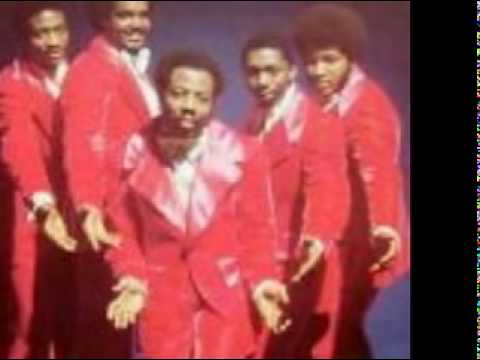
→ More from the 1970s File
View all 1970s hits →




Keep digging