The 1970s File Feature
Watching The River Run
Watching The River Run: Loggins and Messina at Their Soft Rock Peak Loggins and Messina emerged from an unlikely collaboration that became one of the more du…
01 The Story
Watching The River Run: Loggins and Messina at Their Soft Rock Peak
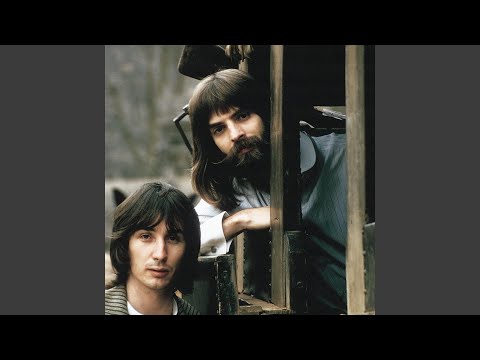
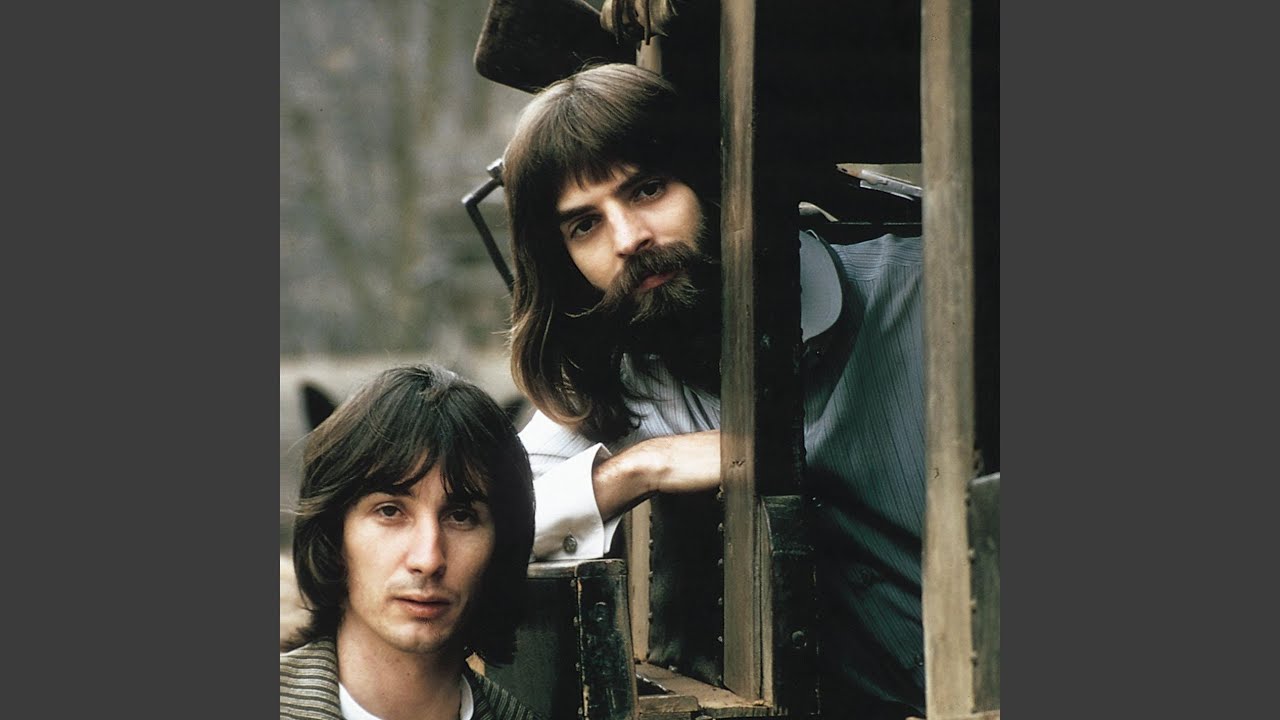
Loggins and Messina emerged from an unlikely collaboration that became one of the more durable partnerships of the early 1970s soft rock era. Kenny Loggins had come to the attention of Columbia Records as a songwriter, and Jim Messina had been brought in initially as a producer to help shape his debut recording. The two men discovered a compatibility that extended well beyond the producer-artist dynamic, and they began performing and recording together as a duo that quickly developed a devoted following. By 1974, when "Watching the River Run" was released, they had become one of the most commercially reliable acts on the Columbia roster.
The song was written by both Loggins and Messina, a collaborative process that characterized much of their best work together. Messina brought production discipline and a feel for arrangement that gave the duo's recordings their characteristic clarity and warmth, while Loggins contributed a lyrical sensibility and a vocal quality that could move between the intimate and the expansive. "Watching the River Run" showcased both of these qualities: the arrangement was spacious and unhurried, and the vocal performance suggested someone genuinely at ease with the world they were describing.
"Watching the River Run" was released on Columbia Records in 1973 and appeared on the duo's album "Full Sail," which came out in November 1973. The album was one of their strongest commercial performances, reaching a high position on the Billboard album charts and establishing Loggins and Messina as leading figures in the soft rock and country-rock movements that were flourishing at the time. The single version of "Watching the River Run" received extensive airplay on the adult contemporary radio format that was emerging as a significant force in American music.
The song reached number 71 on the Billboard Hot 100 and performed more strongly on the adult contemporary chart, where Loggins and Messina had cultivated a particularly loyal following. The adult contemporary format was, in 1973 and 1974, an increasingly important part of the commercial landscape, offering a home for recordings that were too polished and melodic for rock radio but too sophisticated for pure pop. Loggins and Messina were well positioned to benefit from this format's growth, and "Watching the River Run" became one of their signature recordings in that context.
Jim Messina's production approach on "Watching the River Run" drew on his earlier experience with Poco, the country-rock group he had been part of before linking up with Loggins. The recording had a live, organic quality that distinguished it from the more heavily processed productions of some of their contemporaries. The instrumentation was relatively spare, emphasizing acoustic elements and allowing the melody and the lyric to carry the emotional weight without relying on studio ornamentation. That approach aligned with a broader tendency in early 1970s California rock to value authenticity of texture and transparency of arrangement.
Loggins and Messina performed extensively throughout the early 1970s, building a reputation as a formidable live act that could translate the warmth of their studio recordings into a concert setting. Their touring schedule was demanding, and they accumulated a following that was intensely loyal and geographically broad. "Watching the River Run" was a regular fixture in their live sets, a song that translated well to the concert format because its unhurried pace and its emotional accessibility gave audiences something they could connect with without prior familiarity.
The duo released several more albums together before dissolving their partnership in the mid-1970s, with both members going on to successful solo careers. Kenny Loggins in particular achieved enormous commercial success in the late 1970s and 1980s, recording multiple film soundtrack contributions that reached the top of the pop charts. But the Loggins and Messina recordings, including "Watching the River Run," continued to be cited as important early documents in his career, evidence of a talent that had been developing in a more intimate register before the arena-rock moment arrived.
The song appeared on compilation albums tracking both the soft rock era and the specific legacy of the Loggins and Messina partnership, and it received renewed attention whenever the music of the early 1970s was being reassessed culturally. Its particular combination of melodic accessibility and lyrical depth made it representative of what that era's best popular music could accomplish: recordings that were not demanding but were not trivial either, that found a space between complexity and simplicity where genuine emotion could operate.
02 Song Meaning
Flow and Stillness: The Meaning of "Watching the River Run"
"Watching the River Run" draws on one of the oldest metaphorical structures in lyric poetry: the river as a figure for time, continuity, and the relationship between motion and permanence. The song's narrator finds in the act of watching water flow past a kind of philosophical equilibrium, a way of being present to the movement of life without being overwhelmed by it. The mood is contemplative rather than anxious, and that quality of calm attention was central to the recording's appeal in the early 1970s, a period when many listeners were seeking music that offered rest from the urgencies of the preceding decade.
The lyrical approach that Loggins and Messina took in "Watching the River Run" was deliberately unhurried, finding in the river's movement a model for a kind of human experience that valued process over destination. The song did not push toward resolution or climax in the way that more conventionally structured pop songs did. Instead, it settled into a sustained present tense, allowing the emotional content to accumulate gradually through repetition and small variations rather than through dramatic development. This structural choice reflected the song's thematic content: a lyric about contemplative watching was itself built on a contemplative musical architecture.
Kenny Loggins's vocal performance was essential to this effect. His voice in the early 1970s had a quality of warmth and ease that made the contemplative register feel natural rather than affected. He was not straining for emotion or reaching for a climax that the song's structure did not support. The performance had the quality of genuine reflection, of someone actually in the experience they were describing rather than performing it from a distance. That authenticity was part of what made the recording endure in the soft rock canon.
The song also operated as a kind of nature writing in popular music form. The California setting that Loggins and Messina implicitly inhabited, the landscape of rivers, hills, and open sky that characterized much early 1970s West Coast music, gave the lyric a specific geographical grounding even though the song's imagery was broadly applicable. The river could be any river, and the experience of watching it run could belong to any listener who had found peace in the presence of moving water. That universality was part of what the adult contemporary format valued, and why the song found such a receptive audience in that context.
Within the Loggins and Messina catalog, "Watching the River Run" represents the duo at their most purely lyrical, less concerned with the country-rock energy that characterized some of their other recordings and more focused on the intimate, reflective mode that Loggins would develop further in his solo career. The song anticipated the introspective quality of his later work while remaining firmly embedded in the collaborative spirit of the partnership. It stands as evidence that the duo could be genuinely subtle when they chose to be, finding emotional resonance in restraint rather than in display.
→ More from Loggins & Messina
View all Loggins & Messina hits →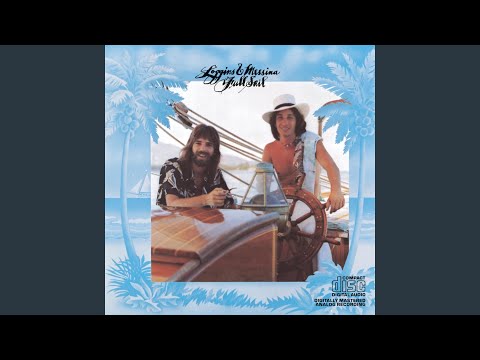

→ More from the 1970s File
View all 1970s hits →




Keep digging