The 1970s File Feature
My Music
Loggins and Messina's "My Music" and the Soft Rock Era of the Early 1970s "My Music" by Loggins and Messina entered the Billboard Hot 100 on November 3, 1973…
01 The Story
Loggins and Messina's "My Music" and the Soft Rock Era of the Early 1970s
"My Music" by Loggins and Messina entered the Billboard Hot 100 on November 3, 1973, and spent thirteen weeks on the chart, eventually peaking at number 16 in the week of December 22. The song was drawn from their third studio album "Full Sail," released the same year, and represented one of the strongest commercial performances of their partnership, cementing their status as one of the defining acts of what would come to be called the soft rock or California rock movement of the early 1970s.
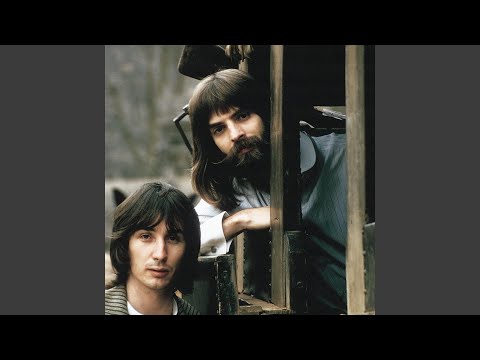
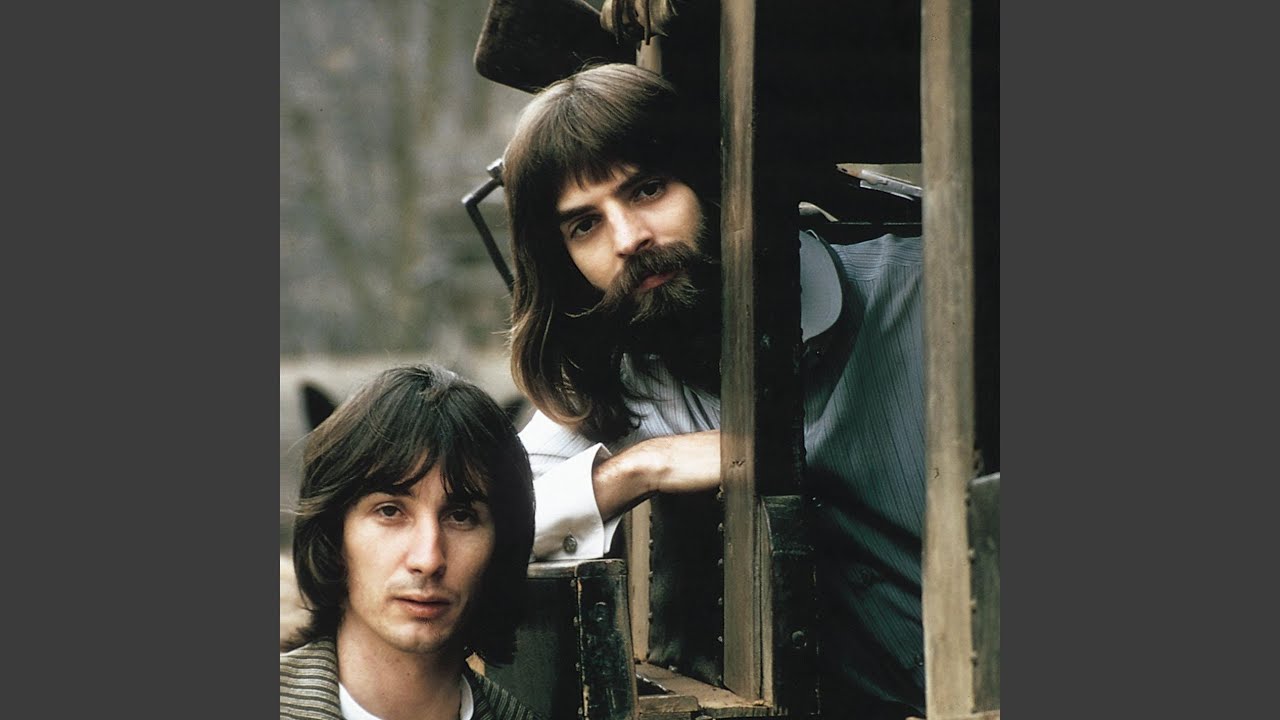
The partnership between Kenny Loggins and Jim Messina had its origins in a recording session rather than an organic band formation. Messina, an experienced producer who had worked with Buffalo Springfield and produced the early Poco albums, was brought in as a producer for Loggins's debut solo album. Loggins was a young singer-songwriter from Everett, Washington, who had achieved his first industry recognition by co-writing "House at Pooh Corner" and "Danny's Song," the latter of which would be recorded by Anne Murray and reach number one in Canada. The chemistry between the two men in the studio proved strong enough that what began as a production arrangement evolved into a genuine performing and recording partnership, with Messina stepping out from behind the console to become a co-fTheir debut album, released in 1972 under the title "Kenny Loggins with Jim Messina Sittin' In," was a commercial and critical success that drew favorable comparisons to the work of Crosby, Stills, Nash and Young, James Taylor, and the other practitioners of the intimate, harmony-rich California sound that was dominant in rock at the time. The follow-up, simply titled "Loggins and Messina," confirmed their commercial viability, and by the time "Full Sail" was released in 1973, they were established enough to headline major venues and attract a devoted following.evoted following.
"Full Sail" took its nautical theme from the idea of a voyage, and the album's varied musical terrain reflected that ambition. Jim Messina brought a country-influenced sensibility rooted in his work with Poco, while Loggins contributed a softer, more introspective singer-songwriter quality. The combination produced a distinctive blend that was neither straightforward country rock nor pure California pop but something that occupied a comfortable middle ground between those modes.
"My Music" was an affectionate celebration of the role that music had played in the narrator's personal history and identity, a love song to rock and roll itself that situated the speaker's emotional development within the context of specific records and the feelings they had generated. The song's approach was nostalgic but not sentimental, grounded in specific musical references rather than vague evocations of the past. This kind of musical self-referentiality was a recurring feature of early 1970s rock songwriting, reflecting a generation of artists who had grown up with recorded music as a central organizing principle of their emotional lives.
The production of the track, handled by Messina, reflected the band's characteristic sound: acoustic and electric guitars in conversation, a warm rhythm section, vocal harmonies that owed something to the country tradition and something to the folk revival, and an overall clarity of recording that was a deliberate aesthetic choice rather than a limitation. In an era when progressive rock was reaching toward elaborate studio constructions, Loggins and Messina's relatively direct approach was itself a statement about values.
The song's chart performance was among the strongest of the pair's career. Its debut at 85 was followed by consistent weekly climbs, and the peak of 16 during the Christmas holiday period demonstrated that the track had genuine crossover appeal beyond the dedicated rock audience. Adult contemporary radio played a significant role in the song's success, as the format was increasingly influential in determining which rock acts could achieve mainstream pop penetration during this period.
Loggins and Messina continued to record and tour through the mid-1970s, producing additional albums and singles before officially dissolving the partnership in 1976. Loggins went on to a significant solo career, including major hits from film soundtracks in the 1980s, while Messina pursued various projects with less consistent commercial success. Their catalog as a duo has been revisited and reappreciated by subsequent generations, with "My Music" and "House at Pooh Corner" frequently cited as the most representative examples of their specific contribution to the sound of early 1970s American rock.
02 Song Meaning
What "My Music" by Loggins and Messina Says About Music and Identity
"My Music" is a song about the relationship between personal history and recorded sound, and the way in which certain songs become inseparable from specific memories, emotions, and periods of life. Loggins and Messina approach this subject with affectionate specificity, grounding the song's central argument in particular musical references that allow listeners to map their own experiences onto the narrative being offered. The result is a song that is simultaneously personal and communal, specific and universal.
The tradition of songs about music's emotional significance was well established by 1973, with "Rock Around the Clock" having established rock and roll itself as a legitimate subject for popular songwriting in the 1950s. By the early 1970s, a generation of artists who had grown up with rock and roll as the soundtrack of their adolescence were beginning to reflect on what that music had meant to them, and "My Music" belongs to this reflective tradition. It is a song written from inside a musical culture looking back at how that culture had shaped the people it had produced.
The phrase "my music" is possessive in a way that carries genuine emotional weight. The narrator is not simply describing a genre or a style but claiming a personal relationship with a body of recorded work, asserting that these particular sounds belong to him in a way that goes beyond ownership of physical objects. This sense of deep personal identification with music, the feeling that certain songs are not merely listened to but lived in, is one of the most common and least examined experiences of contemporary life, and the song gives it articulate and affectionate expression.
There is also an implicit argument about cultural transmission embedded in the song's structure. The narrator's musical education was not a formal one but an experiential one, conducted through radio listening and record buying and the shared experience of growing up in a culture saturated with recorded sound. The song celebrates this informal mode of education and suggests that what it teaches is at least as important as what formal institutions provide. This was a meaningful argument in 1973, when the counterculture's challenge to established institutions was still fresh, and rock music still carried some of its earlier charge as an alternative culture with its own values and its own history.
Jim Messina's production and Kenny Loggins's vocal delivery together create a sound that enacts the warmth the song is describing. The music sounds like music that people actually love, intimate and warm and slightly nostalgic without being saccharine. This tonal consistency between subject matter and sonic treatment is one of the reasons the song connects so effectively, because the medium and the message are in alignment in a way that does not always happen even in well-crafted pop recordings.
Ultimately, "My Music" communicates that the sounds we grow up with are not merely entertainment but formative experiences that shape who we become. It argues for the seriousness of popular music as a force in human development without ever becoming didactic or self-important, maintaining throughout the lightness and pleasure that are also part of the music's truth. This balance of seriousness and joy is one of the most difficult things to achieve in songwriting, and Loggins and Messina achieved it here with impressive ease.
→ More from Loggins & Messina
View all Loggins & Messina hits →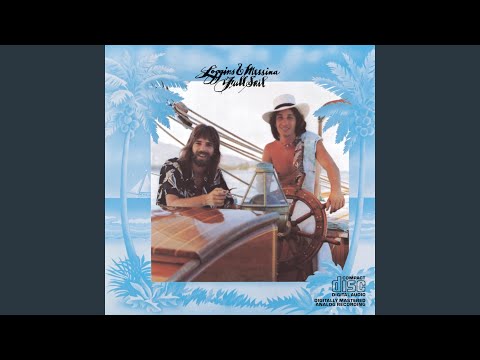

→ More from the 1970s File
View all 1970s hits →




Keep digging