The 1970s File Feature
Stir It Up
"Stir It Up" — Johnny Nash's Reggae Bridge to America The Unlikely Hit Maker of Early 1973 In the winter of 1973, American pop radio was a crowded and unpred…
01 The Story
"Stir It Up" — Johnny Nash's Reggae Bridge to America
The Unlikely Hit Maker of Early 1973
In the winter of 1973, American pop radio was a crowded and unpredictable place. Smooth soul, hard rock, soft pop, and the first tremors of glam competed for airtime, and listeners were more receptive to genre crossover than almost any previous decade had allowed. Into that open landscape stepped Johnny Nash with a reggae-inflected recording that asked American ears to move in a new rhythm. The fact that it worked, climbing to number 12 on the Billboard Hot 100, says everything about the cultural moment.
Nash was not a newcomer to the music business by 1973. He had recorded since the late 1950s, moving through R&B and pop with genuine skill, and he had spent significant time in Jamaica during the late 1960s, absorbing the island's musical culture at the precise moment when reggae was crystallizing as a distinct form. That immersion gave him something few American artists possessed: a genuine stylistic fluency with the music he was presenting to pop audiences.
The Jamaica Connection and a Famous Friendship
Nash's time in Jamaica brought him into contact with Bob Marley at a formative stage of Marley's career. The two men formed a genuine creative connection, and Nash became one of the first figures to attempt bringing Jamaican music to international audiences. Nash's relationship with Bob Marley and the Wailers predated reggae's mainstream breakthrough, positioning him as an authentic cultural bridge rather than an opportunistic borrower.
It is worth noting that the song "Stir It Up" is also the title of a famous Bob Marley composition, which Nash covered. Nash's recording was part of his ongoing project of introducing Marley's songwriting to wider audiences, and it gave the Hot 100 a taste of Jamaican roots music in a form that mainstream radio programmers could accommodate. The arrangement balanced reggae's characteristic rhythmic emphasis with enough melodic accessibility to survive pop radio rotation.
The Chart Run of Early 1973
The track debuted on the Billboard Hot 100 on February 10, 1973, entering at number 84. Its climb through the chart was swift and purposeful, jumping from 84 to 50 in its second week, then continuing to move upward with the kind of steady momentum that indicates genuine radio traction. By April 21, 1973, the song peaked at number 12, spending a total of 14 weeks on the chart.
A peak of number 12 on the Hot 100 for a reggae-influenced recording in early 1973 was a genuinely remarkable achievement. Reggae had not yet broken into the American mainstream on its own terms; that moment would come later in the decade. Nash's chart success with this material helped soften the American audience for what was coming, creating familiarity with reggae's rhythmic language before Marley's own catalog reached its full international saturation point.
Nash's Legacy as Cultural Translator
Johnny Nash occupies a specific and underappreciated position in pop history. His 1972 hit I Can See Clearly Now remains his most famous recording, a song that has been covered and repurposed countless times over the decades. But his work during the early 1970s also included this significant contribution: bringing Bob Marley's songwriting to American chart audiences before Marley himself had achieved that reach. That is a genuine historical footnote, not merely a trivia point.
The 1973 Hot 100 run of Stir It Up confirmed that Nash's pop instincts remained sharp and that his Jamaica years had given him a genuinely distinctive voice in the crowded American pop market. He understood how to translate without distorting, how to make unfamiliar music feel welcoming without stripping it of its character.
A Track That Opened Doors
Looking back from a distance of more than fifty years, Stir It Up in Nash's hands serves as a marker of cultural transmission. It arrived at the moment when reggae's influence was beginning to seep into international popular music, carried there in part by artists like Nash who had done the cultural work of immersion and translation. The 14-week chart run documented an audience willing to follow, willing to move in a new way.
Put the record on and you can hear exactly why it crossed over: a groove both unfamiliar and irresistible, a melody with genuine warmth, a performance that trusted the material and trusted the listener. Press play and feel 1973 open up.
"Stir It Up" — Johnny Nash's singular moment on the 1970s charts.
02 Song Meaning
The Meaning Behind "Stir It Up" — Johnny Nash's Reggae Invitation
Movement as Metaphor
The original "Stir It Up," composed by Bob Marley, operates on two levels simultaneously. On its surface, the lyric is an invitation to physical warmth and intimacy, a call for two people to come together and generate shared heat. Underneath that surface runs a current of reggae's broader philosophy: the idea that life itself calls for active participation, that passivity is a kind of spiritual failure. Nash's recording carried both dimensions into the American pop conversation, giving the song a warmth that translated even when the deeper cultural context was less familiar to mainstream listeners.
The stirring the song calls for is an act of renewal. The metaphors embedded in the original lyric suggest fire being rekindled, a relationship being restored to its early intensity. This made the song universally legible: every listener who had ever felt the cooling of enthusiasm, in a relationship or in life more broadly, could follow the emotional logic without needing a primer in Jamaican cultural symbolism.
Reggae's Rhythmic Invitation
Part of what made the song's American crossover possible was reggae's rhythmic character itself. The offbeat emphasis of reggae's characteristic guitar pattern created a physical response in listeners that did not require intellectual processing. The body understood the groove before the mind could categorize it. In 1973, when American pop audiences were saturated with straight-ahead rock rhythms and lush orchestral soul, reggae's syncopation offered genuine novelty.
Nash understood this and let the music do its work. His vocal approach was warm and conversational rather than theatrical, which suited the material perfectly. The song was not asking its listener to be impressed; it was asking the listener to move, to participate, to stir.
Cultural Context: The Global Sound of 1973
The early 1970s were a period of genuine musical globalization. Artists in Britain and America were absorbing influences from Africa, the Caribbean, and South America with unusual openness, and listeners were following along. The chart success of Nash's reggae recordings in 1972 and 1973 reflected an American audience genuinely curious about sounds from beyond its own borders. This was not a marginal phenomenon; the Hot 100 presence confirmed mainstream appetite.
Bob Marley's own international breakthrough was still a couple of years away when Nash's version charted. The song thus served a historical function: it introduced a generation of American listeners to a rhythmic and melodic language that would become, within a few years, inescapable. Those who heard it on 1973 radio were getting a preview of the decade's later musical landscape.
Why the Song Endures
Nash's version of "Stir It Up" endures not as a nostalgia piece but as evidence of how music travels and transforms. The song's central appeal, the invitation to warmth and engagement, requires no historical context to land. Its emotional clarity is what gave it 14 weeks on the Billboard Hot 100 and what keeps it listenable today. The arrangement has aged gracefully, retaining the texture of its moment without feeling dated in the way that overproduced period recordings often do.
The song also serves as a reminder of Johnny Nash's genuine contribution to the cultural exchange between Jamaica and America, a contribution that deserves more recognition than it typically receives. He carried music across an ocean and made it feel like it had always belonged on American airwaves.
→ More from Johnny Nash
View all Johnny Nash hits →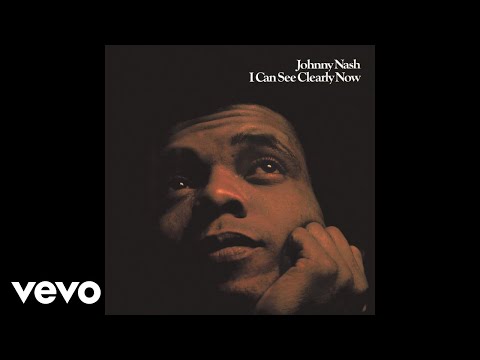

→ More from the 1970s File
View all 1970s hits →




Keep digging