The 1970s File Feature
Put Out The Light
The Story Behind Put Out The Light by Joe Cocker A Voice Rebuilding Itself By 1974, Joe Cocker had already lived several lifetimes as a performer. He had stu…
01 The Story
The Story Behind "Put Out The Light" by Joe Cocker
A Voice Rebuilding Itself
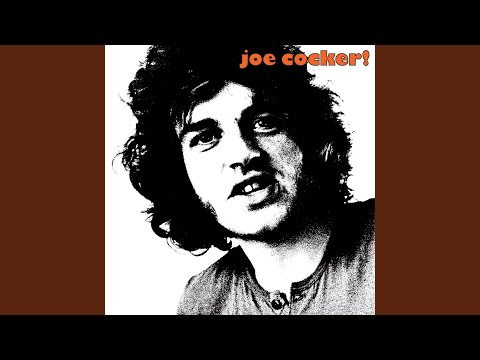
By 1974, Joe Cocker had already lived several lifetimes as a performer. He had stunned the world with his gale-force reinterpretation of the Beatles' With a Little Help from My Friends, torn through Woodstock with a physicality that made his gravel-and-honey voice instantly iconic, and then nearly derailed his own career amid the chaos of the notorious Mad Dogs and Englishmen tour. The years that followed were turbulent, marked by personal struggles that threatened to overshadow his talent entirely. His 1974 album I Can Stand a Little Rain represented something of a comeback attempt, an effort to reassert his standing as one of rock and soul's most distinctive vocalists. "Put Out The Light" emerged from those sessions as one of the record's key tracks.
A Song Built for That Voice
Cocker's genius had always been interpretive rather than purely compositional; he built his career on finding songs written by others and reshaping them entirely through the force of his phrasing and the ragged texture of his voice. "Put Out The Light" fit naturally into that tradition, a soulful, slow-building ballad that gave him room to stretch notes, growl through the low passages, and soar into the kind of raw, aching high notes that had made him famous. The production wrapped his voice in warm, gospel-tinged instrumentation, horns and organ swelling behind him in a way that recalled his Southern soul influences while still feeling distinctly like a 1970s studio record.
A Modest but Meaningful Chart Run
The song entered the Billboard chart on June 22, 1974, debuting at number 82. It climbed gradually over the following weeks, moving to 72, then 67, then 53, before reaching its peak position of number 46 on July 27, 1974. Altogether, the song logged an impressive 12 weeks on the chart, a longer run than many singles achieve even when they climb higher, suggesting steady, word-of-mouth listener interest rather than a quick burst of radio airplay. For an artist working through a comeback period, that sustained presence on the chart carried real significance, signaling that audiences had not forgotten him even during his rockier years.
The Sound of Mid-1970s Blue-Eyed Soul
Listening to the track today, you can hear Cocker operating in the sweet spot between rock, soul, and gospel that defined so much of his best work. His voice, weathered and expressive in ways few of his contemporaries could match, gives even a fairly conventional ballad structure an emotional heft that feels lived-in rather than performed. The arrangement never overwhelms him, leaving space for the natural drama of his delivery to carry the song's emotional arc from restrained verses into fuller, more urgent choruses. It is a reminder that Cocker's power was never really about vocal range in the technical sense; it was about conviction.
A Career Sustained by Reinvention
"Put Out The Light" and the album that housed it mark an important, if sometimes overlooked, chapter in Cocker's long career arc, one bridging his explosive early fame and the massive commercial resurgence he would experience later in the decade and into the 1980s with hits like his duet with Jennifer Warnes. The mid-1970s were a period of finding his footing again, testing different collaborators and sounds, and songs like this one show an artist unwilling to simply coast on past glory, still searching for material worthy of his voice.
Its Place in Joe Cocker's Legacy
Today, "Put Out The Light" remains a favorite among dedicated Cocker fans who appreciate the deeper cuts of his catalog beyond the handful of songs that dominate classic rock radio. It captures a voice in transition, still capable of raw power even during a turbulent stretch of his career. Put it on and let that voice, ragged, sincere, unmistakably human, remind you exactly why Cocker remained one of rock's most compelling interpreters for decades.
"Put Out The Light" — Joe Cocker's singular moment on the 1970s charts.
02 Song Meaning
What "Put Out The Light" by Joe Cocker Is Really About
An Invitation Into Intimacy
At its core, "Put Out The Light" is a song about surrendering to closeness, using the image of darkness as a metaphor for vulnerability and trust between two people. The title phrase carries a double meaning, both literal and emotional: asking a partner to extinguish the lamp is also asking them to let go of guardedness, to meet each other without pretense or distraction. That kind of layered simplicity was a hallmark of the soul ballads Cocker gravitated toward throughout his career, songs that used ordinary domestic imagery to carry much larger emotional stakes.
Desire Delivered Through Restraint
What makes Cocker's interpretation so effective is the tension between the song's tender subject matter and his famously rough, urgent vocal instrument. Rather than smoothing his voice into conventional balladry, he lets the natural grain and grit remain, which paradoxically makes the intimacy feel more honest. There is nothing polished or performative about his longing; it sounds hard-won, weathered, the kind of desire that comes from someone who has lived enough to know how rare real connection actually is.
Gospel's Emotional Architecture
Cocker's vocal approach, shaped heavily by gospel and Southern soul traditions, treats romantic longing with the same intensity gospel singers bring to spiritual yearning. That fusion gives the song an almost devotional quality, elevating a fairly simple romantic plea into something that feels bigger, more urgent, more universal. It is part of why Cocker's ballads consistently hit harder than similarly structured songs by more conventionally polished vocalists of the era; he brought a testifying quality to secular material that few of his peers could replicate.
A Comeback Told Through Vulnerability
Recorded during a period when Cocker was actively working to rebuild his career and his life, the song's themes of trust and surrender carry an added resonance when considered alongside his personal circumstances at the time. Without needing to make the connection explicit, the vulnerability in his delivery feels connected to an artist who had been through real hardship and was choosing, deliberately, to open himself back up again, both to his audience and to the possibility of genuine connection.
Mid-1970s Soul and the Search for Sincerity
The mid-1970s saw soul and rock audiences gravitating toward music that felt emotionally honest after years of psychedelic excess and arena bombast. Ballads like "Put Out The Light" fit that cultural moment, offering listeners something quieter and more personal, a return to intimacy after a decade of spectacle. Cocker's raw vocal style suited that shift perfectly, giving audiences a version of soul music that felt unguarded rather than glossy.
A Quiet Statement of Trust
In the end, the song endures as a modest but sincere meditation on vulnerability, asking listeners to consider what it truly means to let someone see you without any protective distance left standing between you. That message, delivered through one of rock's most distinctive and battle-tested voices, gives the song a weight that outlasts its relatively modest chart placement.
→ More from Joe Cocker
View all Joe Cocker hits →


→ More from the 1970s File
View all 1970s hits →




Keep digging