The 1970s File Feature
The Night They Drove Old Dixie Down
The Night They Drove Old Dixie Down by Joan Baez: A Folk Icon's Triumphant Interpretation Picture the music landscape of 1971, when Joan Baez, one of the mos…
01 The Story
"The Night They Drove Old Dixie Down" by Joan Baez: A Folk Icon's Triumphant Interpretation
Picture the music landscape of 1971, when Joan Baez, one of the most revered figures in American folk music, was reaching one of the highest commercial peaks of her storied career. A legendary voice of the folk revival and the civil rights and antiwar movements, Baez had built her reputation on her crystalline soprano and her commitment to songs of conscience. With her interpretation of "The Night They Drove Old Dixie Down," she scored one of the biggest hits of her life, bringing a powerful song to a vast audience.
A Folk Legend at a Commercial Peak
Joan Baez was among the most important and influential figures in American folk music, an artist whose pure voice and moral commitment had made her a defining figure of the 1960s folk revival. She had been a powerful presence in the civil rights and antiwar movements, her music inseparable from the era's social conscience. "The Night They Drove Old Dixie Down" was originally written and recorded by The Band, the celebrated group whose version appeared on their acclaimed 1969 album. Baez took this powerful song, a narrative set during the final days of the American Civil War from the perspective of the defeated South, and delivered her own interpretation that reached a massive audience.
Baez brought her distinctive voice and interpretive gifts to the song, finding in its narrative of loss and defeat a powerful emotional resonance. The song told its story from the viewpoint of an ordinary Southerner experiencing the collapse of his world, a perspective that gave the historical narrative genuine human weight. Baez delivered it with the clarity and emotional commitment that defined her artistry, transforming The Band's original into a recording that connected with listeners across the country. The result became one of the biggest commercial successes of her remarkable career.
A Triumphant Chart Run
On the Billboard Hot 100, the single achieved one of the highest peaks of Baez's career. It debuted at number 72 on August 14, 1971, then climbed rapidly through the late summer weeks. The numbers rose with remarkable speed, from 72 to 54 to 33 to 18 to 12, the song racing up the chart as it caught on. It reached its peak of number 3 during the week of October 2, 1971, a major hit that brought the folk icon to the very top tier of the pop charts. In total the single spent fifteen weeks on the Hot 100, a substantial run that made it one of the most commercially successful recordings of her entire career.
A Career Highlight
Within Joan Baez's celebrated career, "The Night They Drove Old Dixie Down" stands as one of her greatest commercial triumphs. Baez remains one of the most revered figures in American folk music, an artist whose voice and conscience shaped a generation. This recording brought a powerful song to an enormous audience, demonstrating her ability to connect a narrative of historical loss with contemporary listeners. It stands as a representative example of her interpretive gifts, the way she could take a song and make it resonate deeply, reaching one of the highest peaks of her storied career.
The Power of a Story
What gives the recording its enduring power is the emotional weight of its narrative, the way it tells a story of defeat and loss from a deeply human perspective. Baez's clear, emotionally committed voice brings genuine feeling to the historical tale, finding the universal humanity in a specific historical moment. There is a gravity and beauty to her interpretation that has kept it powerful, the work of an artist who understood how to make a story resonate. It captures the interpretive genius that made Joan Baez such an important voice.
Put it on and let Baez's voice carry the story, and you will hear a folk icon transforming a powerful narrative into one of her greatest triumphs.
"The Night They Drove Old Dixie Down" — Joan Baez's singular moment on the 1970s charts.
02 Song Meaning
The Meaning of "The Night They Drove Old Dixie Down" by Joan Baez
At its heart, "The Night They Drove Old Dixie Down" is a song about defeat, loss, and the human cost of war, told from the perspective of an ordinary Southerner witnessing the collapse of his world at the end of the American Civil War. The song humanizes the experience of the defeated, finding the universal sorrow in a specific historical moment. Its meaning lives in that empathy for the vanquished, a narrative of loss that transcends its historical setting.
The Human Cost of Defeat
The lyric tells its story from the viewpoint of an ordinary man experiencing the fall of the Confederacy, the collapse of the only world he has known. The central theme is the human cost of war and defeat, the personal sorrow of those caught in the wreckage of historical events. The song does not glorify any cause but rather humanizes the suffering of ordinary people, finding the universal pain of loss within a specific historical moment. That empathy gives the song its profound emotional depth.
Empathy for the Vanquished
What gives the song its power is the compassion with which it treats its subject. The narrative finds humanity in the experience of the defeated, the ordinary people who bear the costs of grand historical events. Rather than passing judgment, the song invites the listener to feel the sorrow of those who lost everything. That perspective of empathy for the vanquished lends the song a moral and emotional complexity, treating the human cost of war with genuine compassion regardless of which side one stood on.
A Song for a Divided Time
Released in 1971, during a period of profound national division over the Vietnam War, the song resonated against a backdrop of conflict and loss. The narrative of war's human cost carried particular weight in an era reckoning with its own divisive conflict. Joan Baez, deeply associated with the antiwar movement, brought added resonance to a song about the suffering war inflicts on ordinary people. The cultural moment gave the historical narrative a contemporary urgency, its meditation on loss speaking to a nation grappling with its own painful divisions.
Why It Resonated
The song connected with listeners because its meditation on loss is both powerful and universal. The human sorrow of war and defeat speaks across history to anyone who has known loss, and Baez delivered it with profound emotional commitment. For an audience living through a divisive war, the song offered a moving reflection on the human cost of conflict. Its empathy for ordinary suffering and its emotional power made it resonate deeply, one of the most affecting recordings of Baez's career.
→ More from Joan Baez
View all Joan Baez hits →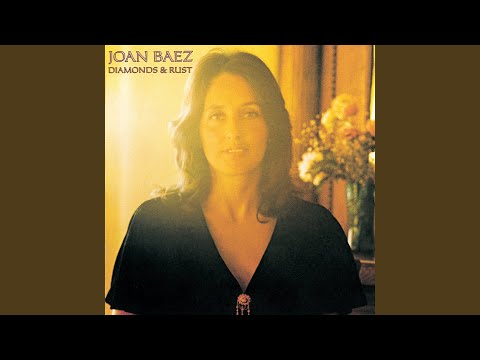


→ More from the 1970s File
View all 1970s hits →




Keep digging