The 1970s File Feature
Fins
"Fins" — Jimmy Buffett's Late-1970s Coastal Warning The Parrothead Philosophy in Full Sail The late 1970s were golden years for Jimmy Buffett's particular vi…
01 The Story
"Fins" — Jimmy Buffett's Late-1970s Coastal Warning
The Parrothead Philosophy in Full Sail
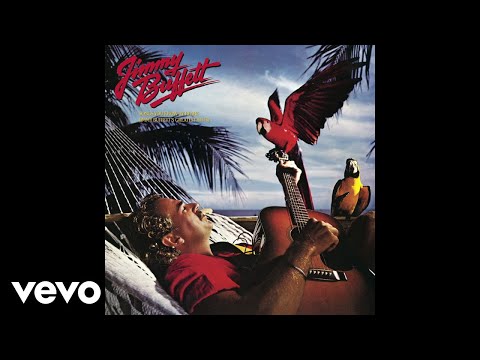
The late 1970s were golden years for Jimmy Buffett's particular vision of escapism, a tropically-inflected, margarita-philosophized brand of rock and country that had been coalescing since his breakthrough with "Margaritaville" in 1977. By 1979, Buffett had built a devoted audience, the Parrotheads who would become one of American rock's most loyal and distinctive fan communities, and he was recording with a confidence and looseness that suited his beach-bum poet persona perfectly. Fins arrived as a track from the album Volcano, and it showed a slightly harder edge than some of his more dreamily escapist material.
The album Volcano was recorded on the Caribbean island of Montserrat, at AIR Studios, the facility that producer George Martin had established there. The location itself spoke to the Buffett worldview: why record a beach-themed rock record in a conventional studio city when a tropical island facility will do? The choice also demonstrated that Buffett's success had reached a level where such logistical luxuries were available and plausible.
A Song With Teeth
What distinguished Fins from some of Buffett's gentler material was its narrative energy. The shark-fin imagery carried in the title was not decorative: the song described a woman navigating a social environment populated by circling, predatory men, with the shark metaphor doing considerable work in characterizing that dynamic. The track demonstrated that Buffett's observational instincts extended beyond coconut cocktails to something more pointed when the material called for it.
The arrangement matched this edge: guitar-forward, rhythmically insistent, with the Coral Reefer Band playing with a tightness that grounded the Florida Keys imagery in something physically real rather than impressionistically hazy. The production captured the group's live energy, which by 1979 had been sharpened by years of touring.
The Chart Run
The single entered the Billboard Hot 100 on September 8, 1979, debuting at number 82. From there it moved steadily upward through the autumn: number 70 the second week, then 64, 59, 54, 49, and continuing its climb. The record peaked at number 35 on November 3, 1979, having spent eleven weeks on the chart altogether. For an artist whose commercial appeal sometimes outpaced his chart numbers (Buffett's concert grosses and album sales consistently exceeded what radio airplay alone would suggest), reaching the top 40 represented a solid mainstream showing.
Country radio also found the track compatible with its format, extending Buffett's reach into a market he had cultivated since his early years and where his fan base had deep roots. The cross-format appeal was characteristic of an artist who resisted easy categorization throughout his career.
Buffett in the Landscape of 1979
Consider what the radio sounded like in the fall of 1979: disco was in its final commercial peak before the backlash, new wave was beginning to find mainstream footholds, and the Eagles, Fleetwood Mac, and Bruce Springsteen were defining what arena rock could aspire to. Jimmy Buffett occupied none of those categories tidily. He had created his own genre, tropical rock with country and folk underpinnings, a form that made no claim to urgency or cultural statement but delivered pleasure and craft with consistency.
In that context, Fins worked because it brought a slightly sharper energy to familiar Buffett territory. It was the same artist his audience loved, but with the volume turned up a notch and the storytelling edged toward something more dramatically specific.
Place in the Buffett Canon
Within Jimmy Buffett's enormous catalog, Fins holds a particular place as one of his most recognized non-Margaritaville tracks, a song that live audiences embraced as a concert staple because its energy translated so well to the kind of communal, festive Parrothead gatherings that Buffett concerts became famous for. Fans would raise their hands in shark-fin formation during the chorus, creating one of the more memorable participatory rituals in American rock concert culture.
The Volcano album that housed it was well-received at the time and has aged graciously as a document of Buffett's creative peak. Decades of live performances only deepened the audience's attachment to the track. If you want to understand what the Jimmy Buffett phenomenon actually felt like in its prime, this is an excellent place to start.
"Fins" — Jimmy Buffett's singular moment on the 1970s charts.
02 Song Meaning
"Fins" — Predation, Escape, and the Buffett Social Lens
The Shark in the Room
Jimmy Buffett built his reputation on songs of escape, the flight from responsibility, from landlocked life, from the pressures of conventional existence into a more pleasurable coastal alternative. Fins complicates that escapist vision by introducing a note of social observation. The track's central metaphor, shark fins circling a woman trying to enjoy her evening, positions Buffett as a narrator who notices the predatory dynamics in the leisure environments he otherwise celebrates. The song's willingness to name this tension sets it apart from his more purely escapist material, demonstrating that the Buffett persona was more observant than the "beach bum" caricature sometimes suggested.
The shark metaphor does economical work. It captures the threat without being melodramatic about it, embedding social critique inside an image that belongs naturally to the coastal world the song inhabits. Listeners could receive it as a fun, rhythmically engaging song about sharks, or they could receive it as a sharper observation about how certain social spaces work. Both readings are supported by the material.
The Double World of Buffett's Lyrics
The best Jimmy Buffett songs operate on at least two levels simultaneously: the surface pleasure of tropical imagery and the undertow of something more serious. This layering is what gave his work durability beyond novelty, distinguishing the serious listener's Buffett from the casual listener's Buffett without excluding either. Fins exemplifies this quality, presenting a scenario that is both immediately fun and quietly pointed about social realities that women navigating bars and social scenes would recognize without any need for explanation.
The music itself supports this duality. The arrangement is energetic and physically engaging, the kind of sound that encourages dancing and communal enjoyment. The content, meanwhile, describes something uncomfortable. The gap between those two registers is where the song's real intelligence lives.
The Cultural World of Late-1970s Leisure
By 1979, the American leisure industry had expanded enormously. Beach bars, resort culture, the whole apparatus of escapist consumption that Buffett's music soundtracked was a genuine economic and social phenomenon, not merely a metaphor. Singles bars and the social rituals surrounding them had become a dominant cultural institution in the late 1970s, discussed and analyzed in popular media as a new form of American social life. Fins situates itself directly in that world and observes it with enough specificity to feel credible.
The song's listeners were frequently the same people who populated those environments, and recognition was part of the appeal. Buffett was singing about places they knew, dynamics they had experienced, from a position that was sympathetic without being preachy or heavy-handed.
Concert Ritual and Communal Meaning
Something happened to this song when it moved from studio recording to live performance. The audience participation element, fans raising hands in dorsal fin shapes during the chorus, transformed the track from an individual listening experience into a communal ritual, and that transformation became central to what the song means in Buffett's catalog. Songs that develop this kind of participatory life take on significance that the original recording could not have anticipated.
The ritual is also a form of translation: by making the shark gesture together, audiences simultaneously acknowledged the song's dark metaphor and defused it through collective play. That combination of recognition and release captures something important about how entertainment functions in social life, and it explains why the concert version of this song became so beloved by the Parrothead community. Buffett understood that his audience came to his shows for more than music, and Fins gave them something to do together that felt both fun and meaningful.
"Fins" — Jimmy Buffett's singular moment on the 1970s charts.
→ More from Jimmy Buffett
View all Jimmy Buffett hits →


→ More from the 1970s File
View all 1970s hits →




Keep digging