The 1970s File Feature
Mañana
"Mañana" — Jimmy Buffett Margaritaville's Laid-Back Cousin By December 1978, Jimmy Buffett had already given America one of its most durable vacation fantasi…
01 The Story
"Mañana" — Jimmy Buffett
Margaritaville's Laid-Back Cousin
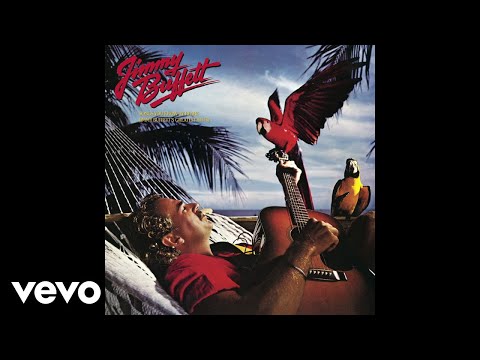
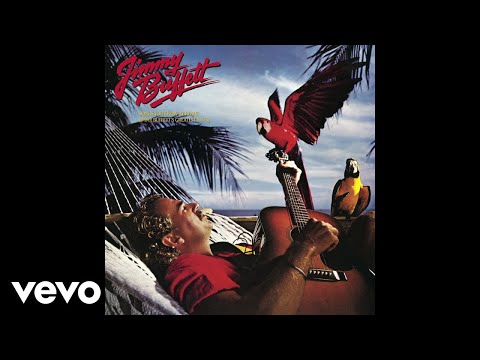
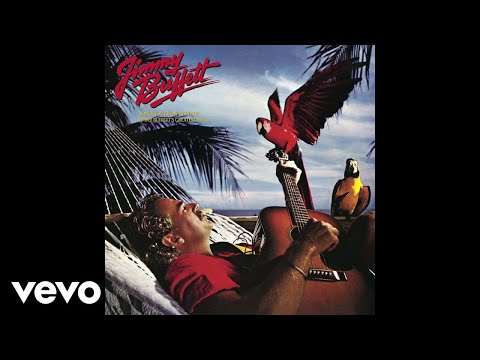
By December 1978, Jimmy Buffett had already given America one of its most durable vacation fantasies. Margaritaville, released the previous year, had become a touchstone of coastal escapism, and Buffett's persona as the troubadour of the tropics was firmly established. Mañana, which appeared on the album Son of a Son of a Sailor, extended that same philosophy of cheerful deferral. The title itself, Spanish for "tomorrow," telegraphs the song's governing attitude: why rush anything when there's sun, salt water, and more time than you need?
Son of a Sailor at His Commercial Peak
The late 1970s represented Jimmy Buffett's commercial high-water mark. Son of a Son of a Sailor, released in 1978, became his best-selling studio album, certified platinum and reaching number ten on the Billboard 200. Buffett had constructed an entire lifestyle mythology around his music by this point, one that attracted a devoted fan base, the self-styled Parrotheads, who treated his concerts as communal celebrations of escapist philosophy. Mañana was embedded in that mythology, arriving as part of an album that deepened the world Buffett had spent years building through meticulous cultivation of a very specific emotional brand.
The Sound of Deliberate Slowness
Production-wise, Mañana embodies its thematic content. The arrangement is loose and sun-warmed, built on a relaxed rhythmic feel that seems almost allergic to urgency. There is Caribbean and country-folk influence woven through Buffett's Key West-inflected sound, and the song's instrumental texture supports its lyrical argument that hurrying is, at best, optional. The instrumentation and production on Son of a Son of a Sailor more broadly reflected Buffett's ability to synthesize Gulf Coast Americana, tropical rhythms, and a storyteller's instinct for narrative detail that kept his music from becoming mere novelty despite its deliberately breezy surface.
Chart Performance
On the Billboard Hot 100, Mañana debuted on December 2, 1978, at position 88. It climbed in its second week to reach its peak of number 84 on December 9, 1978, holding that position through its third chart week before gradually descending. The total run of six weeks on the chart placed it well below Buffett's most successful singles, but the track was never designed as a commercial centerpiece. It functioned more as an atmospheric deep cut that rewarded album buyers rather than a radio-targeted hit designed to pull casual listeners into the Buffett universe.
The Philosophy of Delay
What Mañana articulates, with considerable wit and warmth, is a philosophy that runs counter to the American cultural emphasis on productivity, achievement, and forward momentum. The song celebrates not procrastination in its anxious, guilty sense, but a kind of principled, pleasurable leisure, the conscious decision to let tomorrow take care of itself while today's more immediate sensory pleasures claim full attention. In the context of late 1970s America, when the cultural mood was tinged with post-Watergate disillusionment and economic anxiety, this kind of cheerful escapism offered genuine comfort. Buffett's genius was in making the escape feel not irresponsible but almost wise.
A Perfect Artifact of the Buffett World
Decades later, Mañana remains a satisfying example of what Jimmy Buffett did better than almost anyone else in American popular music: he built an imaginative space, warm and unhurried, and invited listeners to live in it for four minutes. The song is a small but perfectly formed piece of the larger Buffett mythology, consistent with every other element of his carefully maintained musical identity.
The Parrothead community that formed around Buffett's music in the late 1970s and grew through the 1980s treated his recordings less as consumer products and more as totems of a shared value system. Concerts became elaborate rituals of escapism, with fans arriving in tropical-themed clothing, armed with coolers and a collective commitment to leaving ordinary life at the parking lot gate. Songs like "Mañana" were integral to that communal identity, providing the philosophical scaffolding on which the entire Parrothead ethos was built. The track's casual instruction to stop rushing and start savoring functioned not merely as a lyric but as something closer to a creed. Find it on a lazy afternoon, preferably with a breeze and no particular schedule, and let its cheerful fatalism do its work.
"Mañana" — Jimmy Buffett's singular moment on the 1970s charts.
02 Song Meaning
"Mañana" — Escape, Leisure, and the Art of Not Hurrying
Tomorrow as a Living Philosophy
The word "mañana" carries in popular American usage a gentle joke about delay, a cultural shorthand for the pleasure of deferring what can wait. Jimmy Buffett's track of the same name takes this concept seriously as a philosophical position rather than treating it as mere comedy. The song builds a coherent argument for a way of living organized around present pleasure rather than future obligation, and it does so with enough wit and warmth to make the argument feel genuinely appealing rather than simply irresponsible.
Escapism as Cultural Commentary
Understanding Mañana requires understanding what it was that Buffett's audience was trying to escape from. The late 1970s in America were defined by a peculiar combination of economic uncertainty, political disillusionment, and a broader cultural anxiety about what the country was becoming after the turbulent decade that preceded it. Buffett's music offered an alternative geography, a mental and emotional coastline where none of those anxieties had jurisdiction. The appeal was not merely hedonistic but psychological: the songs described a world where the most pressing question was whether to have another drink or take a nap, and that simplicity was itself a form of relief.
Leisure as Radical Refusal
There is a quietly subversive dimension to Mañana that can be overlooked in its sunny presentation. The American cultural mythology of self-improvement, productivity, and forward momentum has always been powerful enough to make leisure feel slightly guilty. Buffett's song refuses that guilt entirely. The celebration of doing nothing urgently positions leisure not as the absence of virtue but as its own kind of wisdom, a recognition that not everything worth having can be earned through effort. For many listeners, particularly those whose daily lives were organized around exactly the kind of productivity the song dismisses, this was a genuinely liberating message.
Tropical Imagery and Imaginative Geography
Buffett's lyrics consistently invoke a specific physical world: warm water, bright sun, salt air, rum-soaked afternoons. These images function as more than decoration. They create an imaginative geography that listeners can inhabit emotionally even when they are nowhere near a tropical coast. This capacity to transport is one of the primary functions of pop escapism, and Buffett understood it with unusual precision. The imagery in Mañana is vivid enough to be genuinely evocative but generic enough to allow each listener to fill it with their own specific fantasy of escape.
The Enduring Appeal of Unhurried Music
What makes Mañana function as more than a period curiosity is the universality of its central desire: the wish to slow down, to let tomorrow manage itself, to be fully present in a moment that requires nothing but enjoyment. That desire has not diminished as the world has become faster and more demanding; if anything, it has intensified. Buffett's music continues to find new listeners precisely because the escape it offers remains available on demand, regardless of what year you happen to be listening in. The mañana philosophy is perennial.
→ More from Jimmy Buffett
View all Jimmy Buffett hits →

→ More from the 1970s File
View all 1970s hits →




Keep digging