The 1970s File Feature
Here Come Those Tears Again
How Jackson Browne Channeled Heartache Into Beauty on Here Come Those Tears Again Picture the early months of 1977, the California singer-songwriter movement…
01 The Story
How Jackson Browne Channeled Heartache Into Beauty on "Here Come Those Tears Again"
Picture the early months of 1977, the California singer-songwriter movement at its most poignant and reflective. The sun-bleached optimism of a few years earlier had given way to something more weathered and emotionally honest, a music built on confession and quiet devastation. Few artists captured that mood better than Jackson Browne, a writer whose songs read like pages torn from a private journal. This single arrived during one of the most personally difficult periods of his life, and you can hear that weight pressing on every line.
A Songwriter at an Emotional Crossroads
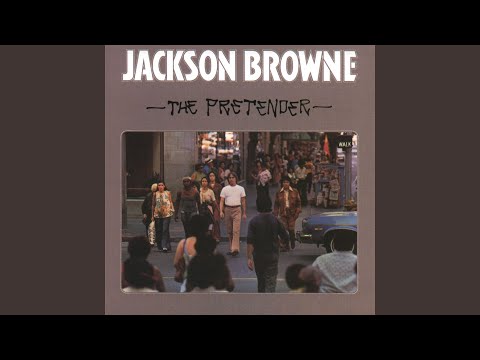
By 1977 Jackson Browne had established himself as one of the most respected songwriters of his generation, a central figure in the introspective California sound. His music was prized for its emotional honesty and literary craft, the work of an artist unafraid to examine pain in close detail. This single appeared on his album The Pretender, a record steeped in loss and reflection. The song stands among his most affecting recordings, the work of a writer translating private sorrow into something universally moving and quietly beautiful.
The Sound of Graceful Sorrow
The track wraps its heartache in the warm, polished production that defined the era's best singer-songwriter records. Gentle instrumentation supports Browne's understated, conversational vocal, letting the lyric breathe and ache without ever tipping into melodrama. There is a restrained elegance to the arrangement, the sound of grief handled with grace rather than spectacle. Browne sings about returning sadness with a weary tenderness that makes the pain feel real and lived-in. The beauty of the music and the sorrow of the words sit together in perfect, bittersweet balance. The instrumentation stays soft and supportive, never crowding the vocal, while the melody carries a gentle, aching pull that lingers long after the song ends. Browne's gift was making such deep sadness sound almost soothing, an act of generosity toward every listener who had felt the same.
A Strong Climb on the Hot 100
The single entered the Billboard Hot 100 on February 5, 1977, at number 64, and rose with real momentum through the late-winter weeks. It climbed to number 47, then 37, then 34 as it gathered strength on the chart. The track ultimately peaked at number 23 on March 19, 1977, a strong showing that placed it firmly in the upper reaches of the chart, and it spent nine weeks on the chart in total. Reaching the Top 25 confirmed Browne's broad appeal and the song's power to connect with a wide audience. The steady upward march week after week showed that listeners were responding to the song's emotional honesty, drawn in by a record that wore its heartache so openly and so beautifully.
A Cornerstone of a Beloved Catalog
This single occupies an important place in Jackson Browne's celebrated body of work. It captures his gift for turning personal pain into resonant, beautifully crafted song, a talent that earned him lasting respect among listeners and fellow musicians alike. The track remains a touchstone for fans of thoughtful, emotionally rich songwriting. It belongs to a golden era of confessional pop, and it endures as a moving example of an artist who found a way to make heartbreak sound both honest and quietly gorgeous.
Press Play and Let the Feeling In
Put this on in a quiet moment and let Browne's gentle, knowing voice draw you in. There is profound comfort in hearing sadness expressed so beautifully, in knowing that someone has put your own hard feelings into words. The melody is lovely, the performance is restrained and true, and the emotion is unmistakably real. It is confessional songwriting at its finest, and it still has the power to move you decades on.
"Here Come Those Tears Again" — Jackson Browne's singular moment on the 1970s charts.
02 Song Meaning
What "Here Come Those Tears Again" Reveals About Recurring Heartbreak
This is a song about the return of sorrow, the way grief and heartache come flooding back just when a person thinks they have moved past them. The title says it plainly: the tears are coming again, an admission that emotional pain rarely leaves cleanly. Its meaning rests on the painful, familiar truth that the wounds of love and loss tend to reopen long after we believe they have healed.
The Theme of Returning Grief
At its core the song captures the cyclical nature of heartbreak. The central image is sorrow returning unbidden, washing over the narrator once more. There is a weary recognition in the lyric, the understanding that emotional pain does not always follow a straight line toward healing. Instead it circles back, triggered by a memory or a moment, catching a person off guard. The song speaks to anyone who has thought they were finished grieving, only to feel the old ache rise up again.
Vulnerability Without Shame
The meaning carries a quiet courage in its openness. Browne admits to his pain plainly, without pretending to be stronger than he is. There is no posturing here, no false bravado, just an honest acknowledgment that the tears have come back. That willingness to be vulnerable is central to the song's power. It treats sadness not as weakness but as a simple, human reality, and in doing so it gives listeners permission to feel their own grief without embarrassment.
Beauty Drawn From Sadness
One of the song's deepest meanings lies in the way it finds grace in sorrow. The gentle, lovely arrangement transforms private pain into something genuinely beautiful. This is the great gift of confessional songwriting: it takes the rawest feelings and shapes them into art that comforts even as it aches. The beauty of the music does not deny the sadness; it honors it, suggesting that even our hardest emotions can hold a kind of dignity and worth when given true expression.
Why It Resonated So Deeply
The song connected because its subject is so painfully universal. Nearly everyone knows the experience of grief returning when they least expect it. The song does not require any special context to land; it speaks directly to a shared human wound. Browne's honest, unguarded delivery made listeners feel understood, as though someone had given voice to feelings they could not articulate themselves. That sense of recognition is what made the song so meaningful to its audience.
A Tender Truth About Healing
The enduring meaning of the song is its honest reckoning with how grief really works. It rejects the comforting fiction that pain heals in a clean, forward line, acknowledging instead that sorrow returns. Yet by rendering that hard truth so beautifully, the song offers genuine solace. It assures listeners that their recurring tears are nothing to be ashamed of, and that even the deepest sadness can be transformed into something that consoles. That gentle wisdom is its lasting gift.
→ More from Jackson Browne
View all Jackson Browne hits →


→ More from the 1970s File
View all 1970s hits →




Keep digging