The 1970s File Feature
The Pretender
The Pretender: Jackson Browne's Masterwork of Late-1970s California Rock "The Pretender" is the title track of Jackson Browne's fourth studio album, released…
01 The Story
The Pretender: Jackson Browne's Masterwork of Late-1970s California Rock
"The Pretender" is the title track of Jackson Browne's fourth studio album, released in 1977 on Asylum Records, and it stands as one of the most important recordings of the California singer-songwriter tradition at its creative apex. The album from which it came, The Pretender, released in November 1976, was recorded in the shadow of profound personal tragedy: Browne's wife Phyllis had died by suicide in March 1976, leaving him to complete an album that had already been in progress and to navigate grief while simultaneously fulfilling professional commitments. The album, and this title track in particular, carries that biographical weight in ways that make it one of the most emotionally complex records of its era.
The recording sessions for The Pretender took place at Studio 55 in Los Angeles, with Browne working alongside producer Jon Landau, who would go on to even greater fame as Bruce Springsteen's manager and producer. Landau brought a disciplined, rock-oriented production sensibility to the project that gave it a sonic clarity and force distinguishable from Browne's earlier, more acoustically intimate recordings. The sessions also featured contributions from an ensemble of musicians drawn from the Los Angeles studio community, including members of the band that would later be known as the Eagles' extended musical family.
"The Pretender" as a song features a lengthy, architecturally ambitious structure that was unusual for radio-formatted rock of the period. The track builds through multiple sections, moving from quieter introspection to a larger, more anthemic quality that made it suitable for both FM album-oriented rock radio and more intimate listening contexts. This structural ambition reflected Browne's approach to songwriting as a serious artistic discipline, one that borrowed as much from literary and compositional traditions as from the conventions of commercial pop.
The album The Pretender reached number five on the Billboard 200, representing Browne's strongest chart showing to that point and confirming his commercial ascent alongside critical reputation. The record was certified platinum, reflecting substantial sales that placed it among the commercially successful serious rock albums of the mid-1970s. FM radio programmers embraced both the title track and other album highlights, giving the record extended airplay that contributed meaningfully to its long chart stay.
Critical reception to the album was enthusiastic, with reviewers recognizing that Browne had produced something genuinely significant under circumstances that might have broken a less resilient artist. The biographical context, the recent death of his wife, was known to critics and colored interpretations of the material, particularly songs that addressed themes of loss, compromise, and the difficulty of maintaining authentic selfhood in the face of life's demands. "The Pretender" was identified by multiple reviewers as the album's centerpiece and one of the most important songs of Browne's career to that point.
The album appeared at a moment when the California singer-songwriter tradition was at the peak of its commercial influence. Artists including Browne, James Taylor, Carole King, and Linda Ronstadt had established Los Angeles as the center of a particular kind of introspective, melodically sophisticated pop-rock that dominated album-oriented radio through much of the mid-1970s. Browne was central to this movement, having helped define its aesthetic from his earliest recordings, and The Pretender represented its most ambitious expression in his catalog to date.
The title track has maintained its reputation through decades of retrospective critical reassessment as one of the essential records of 1970s rock. Browne has continued to perform the song in concert across the following decades, and it has appeared in numerous retrospective surveys of the era's most important recordings. The song's emotional depth and its musical ambition, the willingness to take the time required to properly develop its ideas, have made it a touchstone for discussions of what the singer-songwriter tradition at its best could achieve.
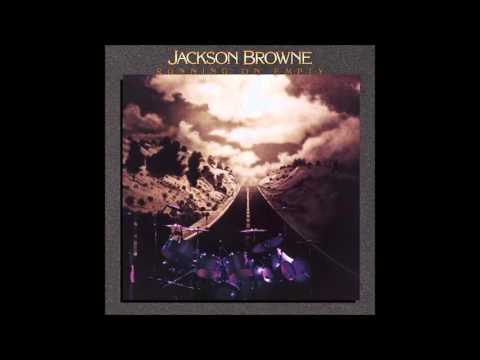
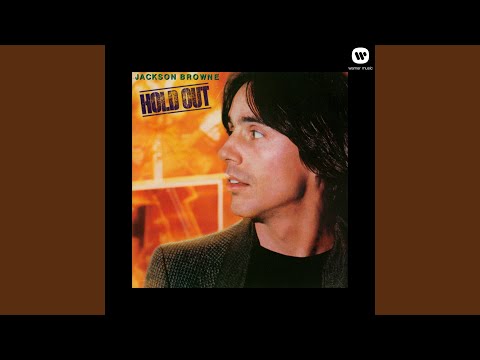
Jackson Browne would go on to further chart success with Running on Empty (1977) and Hold Out (1980), the latter reaching number one on the Billboard 200. But "The Pretender" and the album bearing its name are consistently identified by critics and fans as the peak of his 1970s creative achievement, the record on which his lyrical depth, musical ambition, and emotional honesty aligned most completely.
02 Song Meaning
Compromise and Self-Betrayal: The Thematic Depth of "The Pretender"
"The Pretender" is one of the most searching explorations of adult compromise in the American popular song canon. Jackson Browne constructs a portrait of a man who has abandoned his youthful idealism and accepted a constrained, conventional life, not through conscious choice so much as through the gradual accumulation of small surrenders that constitutes much of adult experience. The song does not celebrate or condemn this process but examines it with a clear-eyed ambivalence that gives it a moral and emotional complexity rare in popular music of any era.
The song's central figure, the "pretender" of the title, is a person who performs a social role while knowing that the performance does not represent his authentic self. He has made his peace with the demands of the working world, taken on the markers of conventional success, and understands that the dreams of youth have been set aside in the service of more immediate practical concerns. Browne treats this figure with compassion rather than contempt: the song acknowledges that survival requires accommodation, that the world does not easily make room for idealism, and that the people who make these compromises are not simply weak but are responding rationally to genuine constraints.
The biographical context of the album, written in the aftermath of the death of Browne's wife, inflects these themes with additional gravity. The song's meditation on the gap between who we are and who we wanted to be takes on a different quality when understood as emerging from a period of profound grief and disorientation. The figure who goes through the motions of daily life while something essential has been lost reads differently when the composer is navigating an experience of irreversible loss. The song contains both a social critique of American adult life and a more personal document of someone trying to find a path forward through an altered landscape.
The emotional register shifts across the song's length in ways that parallel its thematic complexity. It begins in a reflective, almost defeated mode and builds toward something that contains both resignation and a stubborn refusal to fully surrender, a quality that prevents the song from collapsing into pure despair. The narrator is not broken so much as altered, someone who has adjusted his expectations without abandoning all sense of self. This nuanced emotional movement, from despair toward something that is not quite hope but not hopelessness either, is the song's most sophisticated achievement.
Browne's use of the title word is careful and layered. The "pretender" can be understood as someone pretending to the life they are living, going through the motions without authentic engagement. It can also be understood in the older sense of a claimant, someone who aspires to something not yet achieved. Both meanings are active in the song, creating a productive ambiguity that deepens with each hearing. The person who has given up his dreams may still, in some inarticulate way, be preserving a claim to something he cannot yet name.
The California singer-songwriter context is essential to understanding the song's cultural position. The tradition Browne helped define placed great value on emotional honesty, lyrical sophistication, and the willingness to examine difficult personal and social realities without sentimentality. "The Pretender" represents this tradition at its most ambitious, a song that refuses easy consolation and demands that both artist and listener sit with genuine moral and emotional difficulty. Its influence on subsequent generations of singer-songwriters and rock artists who valued substance over surface was considerable and lasting.
The song's meaning resonates across generations in part because the condition it describes, the gap between aspiration and accommodation, is not specific to any historical moment. Each generation discovers in early adulthood that the world is less accommodating of idealism than youth suggested, and Browne's articulation of that discovery has provided a vocabulary for that recognition to listeners across multiple decades. This universality, achieved through the specificity of his particular perspective and moment, is the mark of enduring art, and it is what keeps "The Pretender" in conversation with new listeners long after its original cultural moment has passed.
→ More from Jackson Browne
View all Jackson Browne hits →

→ More from the 1970s File
View all 1970s hits →




Keep digging