The 1970s File Feature
Leave Me Alone (ruby Red Dress)
"Leave Me Alone (Ruby Red Dress)" — Helen Reddy's Quiet Declaration Helen Reddy at the Peak of Her Powers By late 1973, Helen Reddy was one of the most comme…
01 The Story
"Leave Me Alone (Ruby Red Dress)" — Helen Reddy's Quiet Declaration
Helen Reddy at the Peak of Her Powers
By late 1973, Helen Reddy was one of the most commercially potent voices in American pop. Her 1972 anthem I Am Woman had made her a cultural figure beyond the usual dimensions of pop stardom, and the industry was watching carefully to see how she would sustain that momentum. The answer came in a series of strong chart entries that proved she was not a one-song phenomenon. Leave Me Alone (Ruby Red Dress) was part of that demonstration, arriving in November 1973 and climbing with impressive urgency through the winter.
Reddy had built her reputation on material that carried emotional and sometimes political weight, but Leave Me Alone (Ruby Red Dress) represented a different register: lighter in surface texture, wrapped in a specific image of a woman who dresses herself in defiant color and asks the world to give her space. That specific detail, the ruby red dress, grounded the song in a visual and tactile reality that radio listeners could hold in their minds.
The Song and Its Sound
Written by Kenny O'Dell, the song balanced melodic warmth with a lyric carrying genuine emotional independence. The production suited Reddy's voice well, giving her room to inhabit the character without overwhelming her distinctive timbre. Pop production in 1973 was navigating the space between lush early-70s orchestration and a somewhat cleaner sound that would characterize the mid-decade, and the track's arrangement placed it in a comfortable middle ground.
The image of the ruby red dress functioned as shorthand for a particular kind of self-possession: choosing one's own uniform, refusing to dress for anyone else's expectations. In the cultural context of 1973, still processing the women's liberation movement's influence on mainstream culture, that specificity resonated. Reddy was not only selling a song; she was modeling an attitude through the very concrete detail of what a woman chooses to wear.
A Rocket Through the Chart
The track debuted on the Billboard Hot 100 on November 3, 1973, entering at number 90. What followed was one of the most aggressive climbs visible in the chart data: from 90 to 59 in week two, then to 29 in week three. That kind of movement reflects simultaneous radio traction and consumer purchasing action, the two metrics that the Hot 100 combined in its tabulation. By December, the song was in the top 20.
On December 29, 1973, the song peaked at number 3 on the Billboard Hot 100, spending a total of 16 weeks on the chart. A peak of number 3 was a genuine commercial triumph, placing the song in competition with the biggest pop records of the holiday season and emerging with remarkable chart positioning. The 16-week run confirmed that this was not a flash success but a record that built and held an audience across the full curve of its chart life.
Reddy's Broader Moment in 1970s Pop
The early 1970s belonged to several female voices in ways that had not been seen in American pop before: Carole King, Carly Simon, Roberta Flack, and Reddy herself were all shaping the decade's emotional vocabulary. Reddy's ability to follow I Am Woman with a string of strong chart entries confirmed that her audience was loyal and expansive. Leave Me Alone (Ruby Red Dress) added to a run that made her one of the decade's defining pop presences.
Her Capitol Records releases during this period were tracked closely as evidence that women's voices could sustain commercial pop success across multiple years and multiple stylistic registers. The song's top-five finish validated that thesis unambiguously.
The Legacy of Specificity
What makes Leave Me Alone (Ruby Red Dress) memorable decades later is that central image. Pop songs about independence are plentiful; pop songs anchored by a single vivid visual detail are rarer. The ruby red dress gave listeners something concrete to attach their feeling of recognition to, something that made the song's emotional argument tactile and specific rather than abstract.
Reddy's vocal inhabitation of that specificity was, as always, assured and warm. She made the listener believe in the dress, in the choice it represented, in the woman who had made it. Put this record on and that conviction comes through immediately, fifty years undiminished.
"Leave Me Alone (Ruby Red Dress)" — Helen Reddy's singular moment on the 1970s charts.
02 Song Meaning
The Meaning Behind "Leave Me Alone (Ruby Red Dress)" by Helen Reddy
The Defiant Wardrobe as Symbol
A ruby red dress is not a neutral choice. It announces presence, demands attention, refuses invisibility. The central conceit of this song is built on exactly that understanding, the idea that what a woman wears is itself a statement of selfhood, and that the request embedded in the title, leave me alone, is not a cry of defeat but an assertion of autonomy. The song frames personal style as a form of self-protection and self-declaration, which gave it an emotional charge that resonated far beyond its commercial pop surface.
In 1973, this framing was culturally pointed. The women's liberation movement had made questions of female self-determination central to public conversation, and songs that found everyday images to carry those themes, a dress, a walk, a choice, were participating in that conversation without necessarily making political speeches. Reddy understood the difference between a song that preaches and a song that embodies, and this one embodied.
Solitude as Chosen, Not Imposed
The lyric's emotional intelligence lies in its distinction between solitude chosen and solitude imposed. The narrator of the song is not lonely; she is deliberate. She has dressed herself in red, which is not the color of someone who wants to disappear, and she is asking for space on her own terms. That distinction between loneliness and chosen aloneness was relatively unusual in pop songs of the period, which tended to frame solitude as a problem requiring romantic resolution.
By treating her narrator's independence as a positive state rather than a deficit, the song offered its listeners a different emotional model. You can be alone and vibrant. You can wear red and need no company. The message was simple but, in 1973, genuinely countercultural within the pop form.
Reddy's Voice and Its Cultural Meaning
Helen Reddy's vocal quality carried particular cultural resonance by the time this song charted. Her voice was warm but sturdy, capable of softness without sounding fragile, capable of assertion without sounding aggressive. Listeners who had heard I Am Woman brought that context to everything Reddy sang afterward, reading her performances through the lens of the stance she had already taken publicly. Leave Me Alone benefited from that accumulated reading; her audience heard it as continuous with her established artistic identity.
This dynamic, the way a single definitive song can reframe everything an artist subsequently releases, is an underappreciated mechanism in pop. Reddy's chart success in late 1973 was not independent of her earlier cultural moment but directly informed by it.
Why the Image Still Lands
A ruby red dress is a detail that does not age. Unlike lyrical references to technology, social media, or contemporary slang, a vivid piece of clothing carries the same weight in any decade. The song's imagery is timeless in a way that made it accessible across generations of listeners who encountered it in different contexts. The emotional truth, I have dressed myself for myself, and I am asking you to honor that, requires no cultural translation.
That timelessness, rooted in the concreteness of a single visual detail, is ultimately what gives the song its lasting appeal. Reddy found a way to carry a significant emotional and cultural argument inside a three-minute pop song, through specificity rather than abstraction, and it worked on both levels at once.
→ More from Helen Reddy
View all Helen Reddy hits →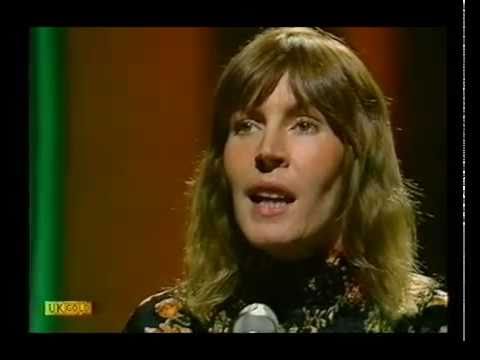


→ More from the 1970s File
View all 1970s hits →




Keep digging