The 1970s File Feature
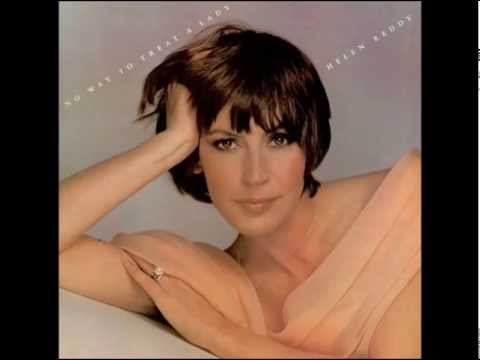
Ain't No Way To Treat A Lady
Ain't No Way To Treat A Lady — Helen Reddy The Voice of a Movement, Finding a Ballad By the summer of 1975, Helen Reddy had spent several years as one of the…
01 The Story
Ain't No Way To Treat A Lady — Helen Reddy
The Voice of a Movement, Finding a Ballad
By the summer of 1975, Helen Reddy had spent several years as one of the most prominent voices of the women's liberation movement in American popular culture. Her 1972 recording of "I Am Woman" had reached number one and become an anthem that transcended its specific pop context, adopted by activists, political campaigns, and women across the country who heard in it an expression of something they needed said. The Grammy Award she received for "I Am Woman" in 1972 came with an acceptance speech in which she thanked God "because She makes everything possible", a line that landed as both witty and pointed in equal measure.
The pressure of being identified so completely with a single song and a single cultural moment is one that artists navigate with varying degrees of success. Reddy had continued releasing albums and charting singles through 1973 and 1974, but nothing matched the cultural magnitude of "I Am Woman." Ain't No Way To Treat A Lady, released in 1975, was a different kind of statement, a more personal and less explicitly political song that nonetheless carried its own implicit feminism in the clarity of its emotional stance.
The Song's Creation and Character
Ain't No Way To Treat A Lady was written by Harriet Schock, a singer-songwriter who brought a strong melodic sensibility to material dealing with the emotional aftermath of a relationship that has turned disrespectful. The song's narrator addresses a former partner with a directness that refuses self-pity: the relationship is described as having failed not because of some inevitable romantic tragedy but because one person treated the other badly, and that is sufficient grounds for ending it. The matter-of-fact clarity of this position was itself a kind of political statement in 1975, when the cultural vocabulary for discussing disrespectful treatment in relationships was considerably less developed than it would later become.
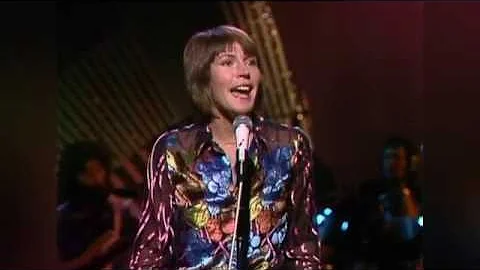
Reddy's vocal performance suits the material perfectly. Her voice has a warmth and steadiness that prevents the song from tipping into bitterness, which would have undermined its message. The narrator is not angry, precisely; she is clear-eyed, and that clarity carries more force than anger would.
The Chart Run
The single debuted on the Billboard Hot 100 on August 9, 1975, at position 86. It climbed quickly through the summer and into the fall: 62, then 46, then 34, then 28. The ascent continued as the song found wide radio support across multiple formats. The single peaked at number 8 on October 11, 1975, spending a total of 16 weeks on the Hot 100. For an artist with Reddy's profile, a top-ten hit was both commercially significant and critically welcome: it confirmed that her audience remained substantial even as the cultural moment of "I Am Woman" receded into background context.
The Adult Contemporary chart performance was especially strong, and the song received substantial airplay on the soft rock stations that dominated the mid-1970s radio landscape. Its melodic directness and Reddy's accessible vocal style placed it squarely in the format's wheelhouse.
Harriet Schock and the Art of the Breakup Song
Harriet Schock deserves recognition as the creative engine behind this particular entry in Reddy's catalog. Her songwriting demonstrates the kind of craft that characterizes the best professional writers of the Brill Building tradition and its successors: the ability to write from an authentic emotional perspective without making the material so specific that it fails to connect with a broad audience. The combination of emotional particularity and universal accessibility is the hardest thing to achieve in a pop song, and Schock achieved it here.
The title phrase itself is a small masterpiece of construction. It is plain, conversational, slightly formal ("ain't" against "lady"), and it makes its judgment without elaboration. Everything the song needs to say is in those five words, and the rest of the song simply confirms and expands what the title announces.
Helen Reddy's Broader Legacy
Helen Reddy's career stands as one of the more interesting stories in 1970s American pop: an Australian-born artist who came to the United States and became, through a combination of talent and timing, one of the decade's most culturally significant voices. Her willingness to record material that engaged with the concerns of the women's liberation movement, from "I Am Woman" through songs like "Delta Dawn" and Ain't No Way To Treat A Lady, gave her a coherent artistic identity that went beyond the usual pop career arc.
Put this one on and hear a voice telling its truth with perfect composure.
"Ain't No Way To Treat A Lady" — Helen Reddy's singular moment on the 1970s charts.
02 Song Meaning
Ain't No Way To Treat A Lady — Helen Reddy: Meaning and Legacy
Self-Respect as the Song's Foundation
What distinguishes Ain't No Way To Treat A Lady from a conventional breakup song is its emotional clarity. The narrator does not mourn the loss of the relationship; she articulates why the relationship had to end and does so without apology. The song's central argument is that respect is a precondition for love, not a negotiable element that can be traded away for other compensating features of a relationship. This position, stated simply and melodically, carried significant cultural weight in 1975, when popular music's vocabulary for discussing the dynamics of romantic relationships was considerably more limited than it has since become.
Harriet Schock's lyrical approach refuses the victimhood that many contemporary songs about mistreatment embraced. The narrator has been wronged, but she is not diminished by it. Her statement of the situation is matter-of-fact and final, which models a kind of emotional self-sufficiency that resonated strongly with the feminist-influenced cultural conversations of the mid-1970s.
The Political Personal
Second-wave feminism had by 1975 established "the personal is political" as one of its central analytical frameworks, and Ain't No Way To Treat A Lady is a pop-culture expression of exactly that insight. The song locates a political argument (women deserve respect in their intimate relationships as in their public lives) inside a personal narrative (this specific relationship failed because of this specific failure of respect). The translation of political consciousness into personal emotional experience was one of the great achievements of 1970s women's music, and this track is one of its mainstream pop expressions.
That Helen Reddy was the performer gave the song additional resonance. She had already demonstrated, with "I Am Woman," that she was willing to commit fully to material carrying this kind of cultural weight. Audiences knew, when they heard her sing Ain't No Way To Treat A Lady, that the conviction behind the performance was not merely professional.
The Soft Rock Vehicle and Its Contradictions
There is an interesting tension in the song's form. The Adult Contemporary soft rock production style in which it was dressed is associated with comfort, domesticity, and the smoothing-over of rough emotional edges. Harriet Schock's lyrics cut against that tendency, insisting on a clarity that the production's warmth might otherwise have softened into mere sentiment. The contrast between the smooth, radio-friendly arrangement and the directness of what the song is actually saying is one of the reasons it worked commercially while carrying a genuine message.
This was a pattern in mid-1970s feminist-inflected pop: the political content was packaged in forms that did not alarm mainstream radio audiences while still delivering a message that listeners with any feminist awareness could hear clearly.
Legacy and Continued Relevance
The questions raised by Ain't No Way To Treat A Lady have not become irrelevant in the decades since its release. Popular culture's conversations about respect, disrespect, and the conditions under which relationships can survive have grown considerably more sophisticated and visible, but the underlying human reality the song addresses remains constant. A song that simply states that disrespect is unacceptable finds a new generation of listeners in every era who need to hear exactly that said clearly and melodically.
Helen Reddy's performance gave the cultural moment of 1975 one of its most accessible and enduring pop articulations of feminist emotional intelligence, and the song continues to earn its place in any serious survey of how popular music engaged with the social changes of the 1970s.
→ More from Helen Reddy
View all Helen Reddy hits →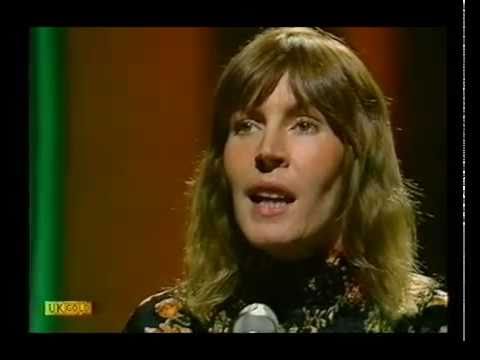


→ More from the 1970s File
View all 1970s hits →




Keep digging