The 1970s File Feature
All The Time In The World
"All The Time In The World" — Dr. Hook's Late-Decade Warmth Dr. Hook in the Late Seventies By 1979, Dr. Hook had pulled off one of the more unlikely transfor…
01 The Story
"All The Time In The World" — Dr. Hook's Late-Decade Warmth
Dr. Hook in the Late Seventies
By 1979, Dr. Hook had pulled off one of the more unlikely transformations in popular music. A band that had built its reputation in the early 1970s on absurdist, satirical material, most famously their collaboration with Shel Silverstein, had gradually repositioned itself as a vehicle for polished mainstream pop. The shift wasn't abrupt; it happened across several albums and singles as the band's commercial instincts were sharpened and their rough edges smoothed in pursuit of radio-friendly accessibility. By the time they released "Sylvia's Mother" and "Cover of Rolling Stone", they had already established a duality that would persist through the decade, capable of genuine emotional storytelling alongside comic self-deprecation.
Their late-1970s commercial peak came with material that leaned fully into romantic balladry and mainstream country-pop. "When You're in Love with a Beautiful Woman" had been a significant international hit in 1979, and the band was operating at a level of commercial confidence that made the period around "All The Time In The World" one of their most productive for radio success.
The Sound of Contentment
"All The Time In The World" offered listeners something that a great deal of late-1970s music didn't: uncomplicated romantic warmth without irony or qualification. The late 1970s on American radio were a complicated landscape, with disco, rock, and country-pop all competing for attention, and a certain strain of sentimental, accessible balladry that suited the adult contemporary format found a consistent audience among listeners who wanted something that didn't demand emotional complexity. Dr. Hook's production on this track was lush and radio-ready, built around arrangement choices that placed it squarely in adult contemporary territory.
The vocal performance, delivered with the ease that came from years of live performance and studio experience, treated the lyric's romantic premise with genuine warmth. The band understood how to serve a sentiment without overselling it, and that craft showed in the final recording.
Seven Weeks on the Chart
Released in early 1979, "All The Time In The World" debuted on the Billboard Hot 100 on February 3 at number 84. The chart trajectory was characteristically steady: number 72 in the second week, number 62 in the third, number 55 in the fourth. The single peaked at number 54 on March 3, 1979, completing a seven-week run on the Hot 100. The peak position placed it in mid-chart territory, a respectable performance that demonstrated the band's continued commercial viability without replicating the heights they had reached with some of their earlier adult contemporary material.
Seven weeks on the chart represented genuine radio presence rather than a brief promotional spike, indicating that the song found a real audience that kept it in programmers' rotations across multiple weekly cycles.
Adult Contemporary's Golden Moment
The adult contemporary format in 1979 was arguably at its commercial peak. Radio stations targeting the format had developed sophisticated programming strategies for reaching an audience that wanted melodically strong, emotionally accessible music without the abrasiveness of harder rock or the genre-specificity of country. Dr. Hook was perfectly positioned for that format, a band with enough musical personality to be interesting but enough commercial instinct to remain accessible. "All The Time In The World" fit that format requirement precisely.
The adult contemporary landscape of early 1979 was populated with material from acts like Barry Manilow, Kenny Rogers, Anne Murray, and others who understood how to serve an audience looking for warmth and craft over experimentation. Dr. Hook occupied that space with confidence.
The Comfort of Unhurried Devotion
There is a specific pleasure in a song that doesn't rush itself, that expresses love as something spacious and patient rather than urgent and anxious. "All The Time In The World" understood that emotional register and built its entire identity around it, from the relaxed tempo to the warm instrumentation to a vocal performance that never pushed harder than the sentiment required. In a decade that had seen enormous amounts of emotional agitation channeled through popular music, that particular kind of ease had its own appeal. Press play and let the late-1970s afternoon it was built for wash over you.
"All The Time In The World" — Dr. Hook's singular moment on the 1970s charts.
02 Song Meaning
"All The Time In The World" — Abundance, Patience, and the Gift of Presence
Time as Love's Currency
There are many ways to express romantic devotion in song. "All The Time In The World" chose one of the most generous: the declaration that a relationship is so deeply right that time itself has been rendered abundant. The phrase is not literally true, of course, no one has all the time in the world, but as a statement of romantic feeling it captures something real: the experience of being with the right person makes time feel different, less scarce, less pressured, more expansive. The song centers that specific sensation of romantic ease, the feeling that when you're with someone you truly love, there's no need to rush because nothing important is being missed.
The Anti-Anxiety Ballad
Late-1970s American culture was saturated with anxiety. Economic uncertainty, geopolitical pressure, and the lingering social upheaval of the preceding decade had created a climate in which worry felt like the appropriate emotional response to daily life. Against that backdrop, a song that explicitly offered the sensation of unhurried, contented love served a real psychological function for its listeners. It wasn't escapism exactly; it was more like a reminder that such ease existed, that some people in some moments experienced it, and that the experience was worth singing about and worth reaching for.
Dr. Hook had always understood how to occupy the emotional spaces their audience most needed. Their comic early material provided relief through laughter; their romantic material provided relief through warmth. "All The Time In The World" offered the specific relief of imagining a love substantial and settled enough to make time feel generous.
Presence Over Performance
The lyrical sensibility of "All The Time In The World" prioritizes being with someone over doing things together. The song isn't about grand gestures or dramatic demonstrations of love. The value it asserts is presence itself, the simple act of being in the same place as the person who matters most to you. That might seem like a modest aspiration for a song, but it's actually a fairly profound one. In a cultural moment that celebrated achievement, activity, and forward momentum, a song about the value of simply being present with the person you love offered a gentle counterargument.
The adult contemporary audience that embraced "All The Time In The World" largely consisted of people old enough to have developed their own sense of what actually mattered in a life. For many of them, the song's premise would have resonated as genuine wisdom rather than sentiment.
The Warmth That Stays
Songs from the late 1970s adult contemporary canon occupy an interesting place in musical memory. The era's production techniques have dated in ways that give the recordings a distinctive patina, and the emotional register they aimed for can seem unfashionably sincere to ears trained on later ironic sensibilities. But within that acknowledged context, "All The Time In The World" holds up as a genuine expression of something worth expressing: the feeling that love at its best makes life feel less urgent and more spacious, that the right relationship gives you back a sense of time rather than consuming it. That's a real thing to feel, and the song renders it honestly.
"All The Time In The World" — Dr. Hook's singular moment on the 1970s charts.
→ More from Dr. Hook
View all Dr. Hook hits →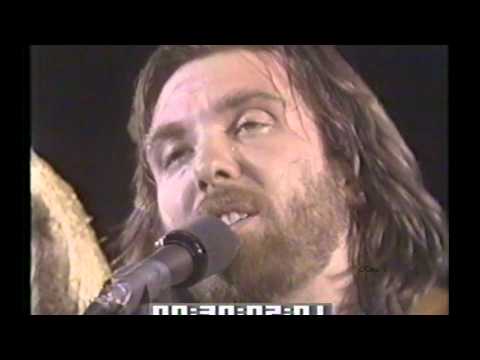




→ More from the 1970s File
View all 1970s hits →




Keep digging