The 1970s File Feature
The Millionaire
The Millionaire: Dr. Hook's Tongue-in-Cheek 1975 Outing Dr. Hook's Comic Sensibility in the Seventies By the summer of 1975, Dr. Hook and the Medicine Show h…
01 The Story
The Millionaire: Dr. Hook's Tongue-in-Cheek 1975 Outing
Dr. Hook's Comic Sensibility in the Seventies
By the summer of 1975, Dr. Hook and the Medicine Show had already achieved one of the more memorable marketing coups in rock history: they released a song called The Cover of "Rolling Stone," about wanting to be on the cover of Rolling Stone, and then actually wound up on the cover of Rolling Stone. That kind of self-referential audacity defined the New Jersey band's approach throughout the early and mid-seventies. Led by Ray Sawyer and Dennis Locorriere, whose vocal partnership gave the group a range that could shift from tender ballad to raucous comedy within the same album side, Dr. Hook occupied a unique niche in the era's pop landscape. They were too irreverent for soft rock, too melodic for hard rock, and too funny for country, yet they drew on all three traditions.
Recording and Release
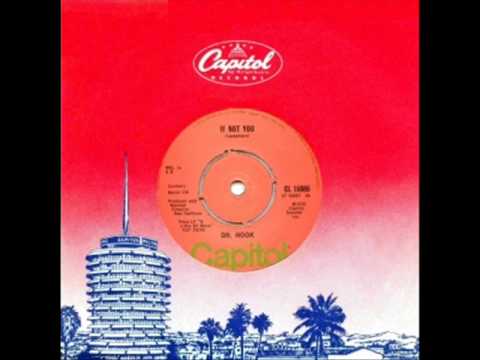
The Millionaire was released in the summer of 1975 on Capitol Records, arriving during what would prove a transitional period for the band. Their earlier records had appeared on Columbia under the guidance of producer Ron Haffkine, who had shepherded their biggest early successes. The mid-seventies releases saw the group refining a style that leaned more heavily on polished production while retaining the wit that had distinguished them from the beginning. The song itself operates in the comedic register Dr. Hook had made their own, the narrator imagining a life of extravagant wealth with the combination of longing and absurdist humor that the band deployed so effectively when operating at their best.
Chart Performance
The single entered the Billboard Hot 100 on August 23, 1975, debuting at position 99. It reached its peak of number 95 on September 6, 1975, and spent five weeks on the chart total before slipping away. By any measure, this was a modest chart showing, placing it well outside the top 40 in a period when the band would go on to much larger successes. Dr. Hook's commercial breakthrough at the highest level came later, with Sylvia's Mother in 1972 and then with the massive ballad When You're in Love with a Beautiful Woman in 1979. The Millionaire sits in the middle stretch of their discography, a period of consistent activity if not always consistent chart success.
The Sound and Style
The track carries the warm, slightly ramshackle production character that marked much of Dr. Hook's mid-seventies output. There is nothing austere about the arrangement; the band favored a full, approachable sound that placed the vocal performances front and center, which made sense given that Sawyer's eyepatch-and-cowboy-hat visual persona and Locorriere's technically precise singing were among the group's most distinctive assets. The comedy in Dr. Hook's music was never cold or detached; it came from performers who seemed genuinely delighted by their own jokes, which communicated something authentic even when the material was intentionally lightweight. That warmth kept the comedy from curdling into mere novelty.
A Place in the Dr. Hook Story
Looking back at the full sweep of Dr. Hook's career, The Millionaire represents the group working through a productive middle period, finding their footing between the countercultural irreverence of their early work and the smoother, more radio-friendly approach that would bring them their biggest commercial successes at the decade's end. Albums from this era show a band exploring what they could accomplish when they moved beyond pure comedy without abandoning their fundamental good humor. The song may not have climbed high on the charts, but it demonstrates the consistency of a group that could produce compelling material almost reflexively. Dr. Hook's ability to make listeners smile while delivering a genuinely melodic performance never wavered, and that is a rarer combination than it might appear.
Give it a spin and remember what mid-seventies pop radio sounded like when it was having the best possible time.
"The Millionaire" — Dr. Hook's singular moment on the 1970s charts.
02 Song Meaning
The Millionaire: Dreaming Big, Playing It for Laughs
The Allure of Imagined Wealth
Songs about money and the things it buys occupy a long and complicated place in popular music. Some treat wealth as aspiration, some as corruption, some as comedy. Dr. Hook's The Millionaire falls firmly in the comic camp, but the comedy is rooted in a genuine human impulse: the pleasure of imagining a life utterly unlike one's own, with every comfort and excess available on demand. The song's narrator does not approach this fantasy with guilt or ambivalence. The daydream is laid out with cheerful thoroughness, and the listener is invited to share in the pleasure of it rather than being warned away from the temptation. That permissiveness is part of what made Dr. Hook's comedy so likable; they never moralized, they simply observed and laughed.
Comedy as Connection
Dr. Hook understood that comedy in pop music works best when it creates community rather than superiority. The best comic songs make listeners feel that the performer is laughing alongside them at shared human absurdities, not at some external target. The Millionaire achieves this by making the narrator himself the butt of the joke as much as anything else. His fantasies are excessive and transparently wishful, which makes them relatable rather than aspirational in any straightforward sense. The listener recognizes the voice of someone who has thought too carefully about what they would do with unlimited money, and that recognition creates the warmth that comic music depends on to succeed.
The Mid-Seventies Context
In 1975, the American economy was recovering from the oil shock and recession of 1973 and 1974. Inflation was persistent, and the optimism that had characterized the early part of the decade had given way to a more uncertain mood. Songs that invited listeners to escape into fantasy had particular appeal in this environment, and Dr. Hook was well positioned to provide that escape. Their particular blend of Southern-inflected warmth and ironic self-awareness spoke to audiences who wanted entertainment that acknowledged life's difficulties without dwelling on them. The fantasy of sudden wealth was a familiar comfort in tight economic times, and setting it to a melodic, good-natured pop song made it feel like permission to dream freely for three minutes.
Irony and Sincerity Working Together
One of the more interesting qualities of Dr. Hook's best comic songs is that the irony never fully overtakes the sincerity. Even when the band was clearly playing a premise for laughs, the performances retained enough genuine feeling that the songs worked on an emotional level as well as a comedic one. The Millionaire sits in that space: the premise is absurd, but the longing underneath it is real enough to give the comedy its grounding. This balance between irony and sincerity is what separates durable comic songs from novelty records, and it explains why Dr. Hook's best work has held up while much of the novelty pop of their era has not.
What the Song Reveals About the Band
As a piece of the Dr. Hook catalog, The Millionaire reveals the group's strengths in miniature. The melodic instincts are solid, the performance is committed without being overwrought, and the humor lands cleanly without requiring explanation. The band never condescended to their audience, trusting listeners to catch the joke and appreciate the feeling simultaneously. That respect for the audience, combined with a genuine facility for melody and an ear for what made people feel good, produced a body of work that proved more durable than its occasional critical dismissal as mere novelty pop might suggest. The Millionaire is a small but genuine piece of evidence for what Dr. Hook did best when they were firing on all cylinders.
"The Millionaire" — Dr. Hook's singular moment on the 1970s charts.
→ More from Dr. Hook
View all Dr. Hook hits →



→ More from the 1970s File
View all 1970s hits →




Keep digging