The 1970s File Feature
Superman
The Story Behind Superman by Donna Fargo A Star on an Extraordinary Run By 1973, Donna Fargo was one of the hottest names in country music, riding a wave of …
01 The Story
The Story Behind "Superman" by Donna Fargo
A Star on an Extraordinary Run
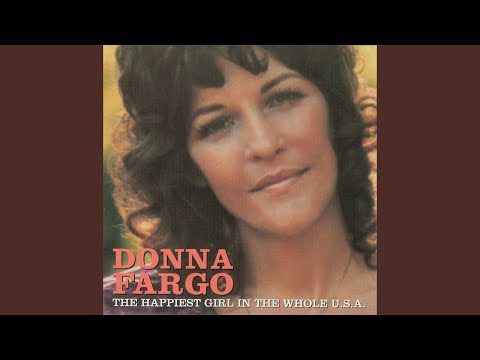
By 1973, Donna Fargo was one of the hottest names in country music, riding a wave of momentum that had begun two years earlier with her breakthrough hit The Happiest Girl in the Whole U.S.A., a song so beloved it earned her a Grammy Award and crossover pop success rare for a country artist at the time. A former English teacher from North Carolina who wrote much of her own material, Fargo had built a persona around warmth, optimism, and an unmistakably sunny outlook that stood in contrast to the heartbreak ballads dominating much of the genre. By the time "Superman" arrived, she had already proven herself a reliable hitmaker, and fans were eager to see whether she could keep the streak alive with another slice of feel-good country pop.
Building on a Winning Formula
Fargo wrote much of her own catalog, and "Superman" continued the bright, plainspoken songwriting style that had made her earlier singles so relatable. The song uses the image of the comic book hero as a playful metaphor for a partner who feels larger than life, someone whose presence makes the everyday world feel a little more magical. That kind of accessible, image-driven songwriting was Fargo's signature: simple enough to sing along to on first listen, but sincere enough to avoid feeling gimmicky. The production leaned into the polished, string-accented Nashville Sound that dominated country radio at the time, giving the track a warm, radio-friendly sheen.
A Steady Climb Up the Chart
"Superman" entered the Billboard chart on February 24, 1973, debuting at number 73. Over the following weeks it climbed with real consistency, moving to 65, then 57, then 49, showing the kind of steady week-over-week progress that signals a song building genuine momentum with listeners rather than a quick flash. It ultimately reached its peak position of number 41 on April 7, 1973, capping a run of 9 weeks on the chart. That trajectory, gradual and sustained rather than explosive, reflected how Fargo's audience was continuing to grow their loyalty to her voice and songwriting rather than chasing a single novelty hit.
The Sound of Early-1970s Optimism
Listening back, "Superman" captures a specific mood in country music's evolution, a moment when the genre was embracing brighter, more pop-adjacent production while country radio audiences were hungry for songs that felt uplifting rather than mournful. Fargo's clear, warm vocal delivery sits comfortably atop the arrangement, never overwrought, always inviting the listener into her sense of contentment. It is easy to underestimate how difficult it is to write convincingly happy songs that do not feel saccharine, and Fargo had a genuine gift for it, treating everyday domestic joy as material worthy of a hit single rather than something to be dismissed as too simple for serious songwriting.
Part of a Remarkable Streak
What makes "Superman" notable within Fargo's career is how it fit into an unusually consistent run of hits throughout the early 1970s. Coming on the heels of The Happiest Girl in the Whole U.S.A. and Funny Face, both major successes, the song reinforced Fargo's reputation as one of the most dependable hitmakers in country music at that moment, an artist whose singles listeners could trust to deliver warmth and craft in equal measure. That reliability, built single by single, gave her a devoted audience that stuck with her even as the sound of country radio continued to shift throughout the decade.
Its Place in Donna Fargo's Legacy
Today, "Superman" stands as one of the deeper cuts in Fargo's catalog of hits, less immediately recognizable than her signature songs but every bit as representative of what made her music resonate. It shows a songwriter fully in command of her own voice, unafraid to lean into sentimentality when the feeling was genuine. Give it a listen and you can hear exactly why 1970s country audiences kept coming back to her records, drawn in by melodies that felt like sunshine after a long stretch of rain.
"Superman" — Donna Fargo's singular moment on the 1970s charts.
02 Song Meaning
What "Superman" by Donna Fargo Is Really About
Love as a Superpower
At its heart, "Superman" is a song about the way genuine love can make an ordinary person feel mythic. Fargo borrows the imagery of the comic book icon not to be cute for its own sake, but to capture a very real emotional truth: when someone loves you fully and shows up for you consistently, they can feel larger than life, capable of anything, a source of strength and comfort that borders on the heroic. The metaphor works because it is instantly recognizable, giving listeners an easy emotional shorthand for a feeling that can otherwise be hard to put into words.
Domestic Devotion, Not Grand Gestures
Unlike songs that mythologize dramatic romantic gestures, sweeping declarations or whirlwind courtships, Fargo's lyric is rooted in the quieter, steadier forms of devotion: someone who is simply, reliably present, who makes daily life feel lighter just by being there. That focus on sustained partnership over grand romantic spectacle reflects Fargo's broader songwriting philosophy, which consistently found beauty in domestic contentment rather than dramatic upheaval. It is a love song built for people already deep in a relationship, not for the early throes of infatuation.
An Optimist's Voice in a Genre of Heartbreak
Country music has long leaned into stories of loss, betrayal, and hardship, and Fargo's catalog stood out precisely because she wrote so unapologetically about happiness. "Superman" fits that pattern, refusing the genre's gravitational pull toward melancholy in favor of a lyric that simply celebrates feeling secure and cherished. That choice was not naive; it was a deliberate artistic stance, an insistence that contentment and gratitude were just as worthy of a three-minute pop song as sorrow, and audiences responded to that sincerity in large numbers.
A Reflection of Early-1970s Domestic Life
The early 1970s were a period of significant social change, with shifting gender roles and evolving ideas about marriage and partnership reshaping American culture. Against that backdrop, Fargo's songs offered a vision of relationships grounded in mutual appreciation, a partner who felt heroic not because of wealth or status but because of steadiness and care. That vision resonated with an audience navigating its own version of those changes, offering reassurance that traditional domestic happiness could still feel vital and worth celebrating.
Why Listeners Connected
Part of the song's appeal lies in how universal its central feeling is. Nearly everyone who has been in a strong relationship has, at some point, felt that their partner's steadiness made them capable of handling anything life threw at them. Fargo's plainspoken lyrics gave that feeling a name and a melody, which is exactly why it connected so readily with her audience. The song did not require close analysis to understand; its emotional clarity was the entire point.
A Warm Snapshot of a Songwriter's Heart
Ultimately, "Superman" endures as a small but sincere entry in Fargo's catalog, a reminder of how effectively she could translate genuine emotion into simple, hummable country pop. It asks nothing complicated of the listener beyond recognizing a familiar feeling, and in that simplicity lies its lasting charm.
→ More from Donna Fargo
View all Donna Fargo hits →
→ More from the 1970s File
View all 1970s hits →




Keep digging