The 1970s File Feature
Heartbreaker
Heartbreaker by Dolly Parton By the late 1970s, Dolly Parton was in the middle of one of the boldest career moves in country music history. The reigning quee…
01 The Story
"Heartbreaker" by Dolly Parton
By the late 1970s, Dolly Parton was in the middle of one of the boldest career moves in country music history. The reigning queen of Nashville was deliberately reaching for a wider, pop-oriented audience, a gamble that ruffled feathers among country purists but would ultimately make her a global superstar. This single stands as a glittering example of that crossover ambition, a polished, dramatic pop production that showcased her remarkable voice in a setting far removed from her Appalachian roots.
A Star Reaching Higher
Parton had already become a country legend through her work as both a solo artist and a duet partner, building a catalog of songs that demonstrated her extraordinary gifts as a writer and singer. By this point she had made the controversial decision to broaden her appeal beyond the country format, seeking the kind of mainstream pop success that few country artists had achieved. It was a calculated risk that drew criticism from some who felt she was abandoning her roots, but Parton understood that her talent and ambition could carry her far beyond the boundaries of any single genre. This single was part of that deliberate push toward pop stardom.
A Polished Pop Production
This song came from her album of the same name, a record that fully embraced the lush, contemporary pop production of the era. The arrangement is glossy and dramatic, framing Parton's distinctive voice in sweeping strings and a polished, radio-ready sound. The album marked part of Parton's deliberate crossover into pop music, moving away from traditional country instrumentation toward a more mainstream sensibility. The song casts her as a woman lamenting a lover who has broken her heart, and she delivers the emotional drama with the full power of her remarkable instrument. It was country royalty stepping confidently onto the pop stage, and the production left no doubt about her ambitions.
A Solid Crossover Showing
The single performed respectably on the Billboard Hot 100, reflecting its crossover appeal. It debuted at number 82 on August 26, 1978, and made a steady climb up the chart over the following weeks. The song reached its peak position of number 37 on September 30, 1978, and altogether it spent 10 weeks on the Hot 100. While that placement fell short of the very top, it represented a genuine pop hit for an artist still primarily known as a country star. The song performed even more strongly within the country format, where Parton's stardom guaranteed enthusiastic support, but its showing on the all-genre chart confirmed that her crossover strategy was working.
A Step Toward Superstardom
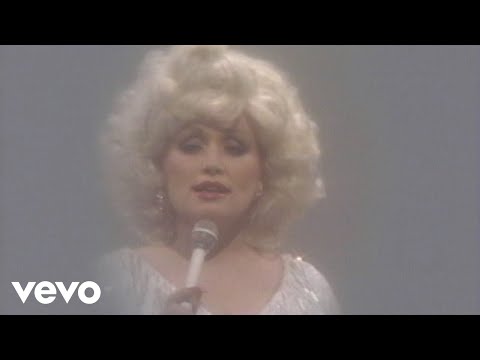
This single stands as an important marker in Parton's transformation from country star into one of the most beloved entertainers in the world. Her crossover ambitions, controversial at the time, would soon be vindicated as she achieved enormous mainstream success in music, film, and beyond. This song captured her at a pivotal moment, reaching boldly for a wider audience and proving she had the talent to claim it. The video has gathered around 309,000 YouTube views, keeping this chapter of her remarkable story alive for listeners. It endures as a glamorous artifact of an icon in ascent.
The Vindication of a Gamble
The criticism Parton faced for her crossover move now looks remarkably shortsighted in light of everything that followed. By reaching beyond the country format, she did not abandon her roots so much as expand the audience that could appreciate them. Her gamble would soon pay off spectacularly, as she achieved a level of mainstream fame that few country artists before her had imagined possible, building a career that spanned music, film, business, and philanthropy. This single belongs to the early, controversial phase of that transformation, a moment when the outcome was still uncertain and the purists were still grumbling. Heard today, it sounds like an artist confidently claiming territory that was rightfully hers, refusing to be limited by the expectations of any single genre. The boldness that drew criticism at the time was precisely the quality that would make her a legend, and this glossy pop production captures that fearless ambition in full bloom.
Press Play
Let Dolly Parton's incomparable voice carry this dramatic pop production, and hear an icon boldly reaching for a wider stage. It is a glittering moment from one of music's most beloved figures.
"Heartbreaker" — Dolly Parton's singular moment on the 1970s charts.
02 Song Meaning
The Meaning Behind "Heartbreaker"
This is a song about the pain of loving someone who breaks your heart, a lament directed at a lover who has caused deep emotional hurt. Its meaning centers on the anguish of romantic disappointment and the wounded feelings of someone betrayed by the person they love. It is a classic expression of heartbreak, delivered with all the emotional drama that the title promises.
The Wound of Betrayal
At its core, the song expresses the pain of being hurt by a lover. The narrator addresses the person who has broken her heart, giving voice to her anguish and disappointment. The title itself names the source of her pain, the heartbreaker who has wounded her so deeply. The song dwells in that emotional injury, the sense of having trusted and loved someone who ultimately caused suffering. It is a direct and heartfelt expression of romantic hurt, the kind of pain that countless love songs have explored.
Vulnerability in Love
The song reveals the vulnerability that comes with loving deeply. The narrator has opened her heart only to have it broken, exposing the risk inherent in romantic commitment. There is a raw honesty in this admission, the acknowledgment that loving someone gives them the power to hurt you. The song captures that painful truth, the way deep feeling leaves us exposed to deep disappointment. It speaks to the courage and the danger of giving your heart to another person.
Emotional Drama
The song embraces the heightened emotional drama of its pop production. The sweeping arrangement amplifies the sense of romantic anguish, treating the heartbreak as a grand and powerful emotion. This dramatic quality suits the subject matter, giving the pain of lost love the epic scale it can feel like from the inside. Parton's powerful delivery matches that intensity, conveying the depth of feeling with full conviction. The result is a song that treats heartbreak as the momentous emotional event it truly is.
Why It Resonates
The song connects because heartbreak is among the most universal of human experiences. Nearly everyone has known the pain of loving someone who hurt them, and the song gives that pain a powerful and dramatic voice. Its frank expression of romantic anguish speaks to anyone who has suffered through a broken heart. Delivered by one of music's great voices, that universal sorrow takes on real emotional weight, making the song a moving expression of a feeling that everyone recognizes.
In the end, the song endures because it captures the timeless pain of a broken heart with drama and conviction. It gives voice to one of love's hardest experiences, and it does so with all the emotional power its subject demands.
→ More from Dolly Parton
View all Dolly Parton hits →
→ More from the 1970s File
View all 1970s hits →




Keep digging