The 1970s File Feature
Rhapsody In Blue
Deodato Reinvents a Classic on Rhapsody In Blue It's 1973, and a Brazilian keyboardist with a daring imagination is doing something audacious: taking the che…
01 The Story
Deodato Reinvents a Classic on "Rhapsody In Blue"
It's 1973, and a Brazilian keyboardist with a daring imagination is doing something audacious: taking the cherished works of the classical canon and reinventing them as funky, jazz-fusion grooves. Deodato had already stunned audiences with his electrified take on a famous orchestral theme, and he followed it by turning his attention to George Gershwin's beloved "Rhapsody In Blue." The result fused high art and dance-floor energy in a way that felt thrillingly fresh.
The Master of the Fusion Makeover
Deodato arrived as one of the most distinctive figures of the early-seventies jazz-fusion scene. His signature move was reimagining well-known classical and orchestral pieces through the lens of funk, jazz, and electric keyboards, giving stately old music a new, groove-driven life. He had already scored a massive hit with his version of Richard Strauss's Also sprach Zarathustra, the theme famous from a landmark science-fiction film, which proved there was a real audience for his bold fusions. Deodato's electric-keyboard arrangements became his calling card.
Gershwin Gets the Groove Treatment
For his next reinvention, Deodato chose "Rhapsody In Blue," George Gershwin's iconic 1924 work that itself had blurred the line between classical and jazz. It was a fitting choice, a piece already born of the meeting between two musical worlds. Deodato draped Gershwin's famous melodies over a funky rhythm section and his own fluid keyboard work, transforming the concert-hall classic into something you could move to. The arrangement honored the original's beauty while injecting it with the propulsive energy of seventies fusion.
A Respectable Chart Run
The single performed solidly. It debuted on the Billboard Hot 100 on August 25, 1973, entering at number 89, then climbed through the late summer. It reached its peak of number 41 on September 29, 1973, and spent eight weeks on the Hot 100. For an instrumental fusion track built on a classical theme, reaching the top half of the chart was a genuine achievement, proof that adventurous, genre-blending music could find a real audience on pop radio in the early seventies.
A Bridge Between Worlds
Deodato's significance lies in the way he connected musical worlds that rarely met. His fusions brought classical melodies to listeners who might never have visited a concert hall, while bringing serious musicianship to the dance floor and the pop charts. "Rhapsody In Blue" embodies that mission perfectly, a record that treats Gershwin with affection while reimagining him for a new era. It stands as a fine example of the boundary-crossing creativity that defined the best of seventies fusion.
A Bold Experiment That Worked
What makes the recording endure is its sheer nerve and its success in pulling off a difficult balancing act. Reinventing a beloved classic risks alienating purists while failing to win over pop fans, yet Deodato managed to please both, creating something that respected its source while standing on its own. For listeners curious about where jazz, funk, and classical music intersect, this track remains a vivid and enjoyable demonstration of the possibilities.
A Brazilian Sensibility
Part of what made Deodato's fusions so distinctive was the sensibility he brought from his Brazilian roots. The rhythmic sophistication of Brazilian music, with its supple grooves and harmonic richness, informed his arrangements in subtle but important ways. When he applied that sensibility to Gershwin, the result felt less like a gimmick and more like a genuine meeting of cultures, an American classic filtered through a Brazilian and jazz-fusion imagination. That cross-cultural quality gave his music a depth that pure novelty acts lacked. He wasn't simply slapping a beat onto a famous tune; he was reinterpreting it through a whole musical worldview, hearing possibilities in Gershwin's melodies that the composer himself might never have imagined. That richness is a big part of why his fusions have aged so gracefully and continue to reward attentive listening.
Cue it up and hear Gershwin reborn with a funky seventies groove. It's a bold, joyful collision of high art and the dance floor.
"Rhapsody In Blue" — Deodato's singular moment on the 1970s charts.
02 Song Meaning
The Bold Idea Behind "Rhapsody In Blue"
An instrumental reinvention like this one carries its meaning not in lyrics but in concept. The whole point of the recording is an idea: that great music can be reborn in a new form, that the boundaries between genres are far more porous than tradition suggests.
Tradition Meets Innovation
At its core, the track is about transformation, about taking something cherished and familiar and making it new. The fusion of classical and funk embodies a daring artistic statement, the belief that Gershwin's concert-hall masterpiece could live just as happily on a dance floor. The meaning lies in that creative gesture itself, a celebration of musical possibility and the refusal to keep different traditions in separate boxes.
Honoring the Source
What keeps the reinvention from feeling like mere novelty is its evident respect for the original. Deodato clearly loves Gershwin's melodies, and his arrangement preserves their beauty even as it transforms their setting. The recording suggests that reinvention need not mean disrespect, that you can honor a classic precisely by finding new life in it. That balance of reverence and audacity is the heart of the track's appeal.
The Spirit of Seventies Fusion
The recording embodies the adventurous ethos of its era, when musicians eagerly dissolved the barriers between jazz, funk, rock, and classical music. The boundary-crossing energy of the seventies made room for exactly this kind of bold experiment. The track captures that spirit of exploration, a moment when the question was not whether genres could be combined but how thrillingly it could be done.
Why It Connects
The recording resonates because it offers the pleasure of recognition combined with the thrill of surprise. The joy of hearing the familiar made fresh draws listeners in, whether they know Gershwin's original or are hearing those melodies for the first time. The funky groove makes the high art accessible and fun, an invitation rather than a lecture. That generous, joyful approach to great music is exactly why the track still delights.
Breaking Down the Walls
There's a quietly democratic spirit at work in a recording like this. For generations, classical music had been treated as the rarefied domain of concert halls and connoisseurs, walled off from popular taste. By dragging Gershwin onto the pop charts with a funky groove, Deodato made a gentle but real argument that great music belongs to everyone, that the dividing line between high and popular art is mostly an illusion we choose to maintain. The track invites listeners who might feel intimidated by the concert hall to enjoy a masterpiece on their own terms, moving to it rather than studying it. That act of opening a door, of making the rarefied feel welcoming, carries its own kind of meaning, and it's part of why these fusion experiments felt so liberating in their moment and remain so appealing today.
→ More from Deodato
View all Deodato hits →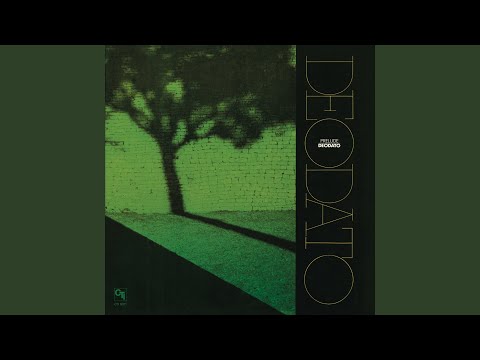

→ More from the 1970s File
View all 1970s hits →




Keep digging