The 1970s File Feature
Daddy What If
Daddy What If by Bobby Bare Travel back to the start of 1974, when country music was opening up to a new kind of storytelling, warmer and more personal than …
01 The Story
"Daddy What If" by Bobby Bare
Travel back to the start of 1974, when country music was opening up to a new kind of storytelling, warmer and more personal than the honky-tonk laments of earlier years. The outlaw movement was stirring, and songwriters were pushing the genre toward greater literary ambition and emotional honesty. Bobby Bare stood right in the middle of this shift, a singer with a gift for finding the human heart in a well-told story. With this gentle, tender single, he delivered one of the most touching father-and-child moments country music had produced, a conversation set to music that disarmed listeners completely. Country music had always made room for sentiment, but few records achieved this particular kind of intimacy. It felt less like a performance than like eavesdropping on a real moment between a parent and child, and that sense of authenticity was exactly what made it so affecting.
A Master Storyteller
Bobby Bare had been a country star since the early 1960s, known for his warm baritone and his knack for choosing material that told a real story. He had a particular gift for collaborating with great songwriters and bringing their words to vivid life. By the early 1970s he was deep into a fruitful creative period, working closely with the brilliant writer Shel Silverstein on a series of memorable recordings. "Daddy What If" was written by Shel Silverstein, and it featured a charming exchange between Bare and his young son, a duet that turned a simple conversation into something genuinely moving.
A Conversation Set To Music
The song's structure was its magic, built as a back-and-forth dialogue between a child asking innocent, searching questions and a father offering reassuring answers. The presence of an actual child's voice gave the recording a disarming authenticity, a warmth that no amount of studio craft could fake. The arrangement stayed gentle and unadorned, letting the conversation take center stage. Silverstein's writing balanced whimsy and genuine feeling, capturing the way a child's simple questions can carry surprising emotional weight. The result was tender without tipping into sentimentality, a small masterpiece of country storytelling that spoke directly to any parent.
A Strong Climb Up The Hot 100
The single debuted on the Billboard Hot 100 dated January 5, 1974, entering at number 90. It climbed steadily and confidently over the following weeks, gaining ground as audiences embraced its heartfelt charm. The song reached its peak of number 41 on February 9, 1974, and spent a total of 8 weeks on the Hot 100. For a tender country narrative to cross over and climb that high on the pop chart spoke to its broad emotional appeal. The song clearly touched listeners well beyond country radio, proving that a sincere, well-told story could find a wide audience.
A Beloved Entry In His Catalog
Bobby Bare would continue his successful career for many years, remaining a respected figure in country music and a master interpreter of great songs. His collaborations with Shel Silverstein produced some of his most memorable work, and this tender father-and-son piece ranks among the most cherished. For listeners drawn to country music's storytelling heart, it remains a touching example of the genre at its warmest. It captures a universal moment between parent and child with genuine grace. Silverstein's writing had a rare ability to find profound feeling in simple language, and Bare's warm delivery brought every line to life. Songs like this one remind listeners that country music's greatest strength has always been its honesty, its willingness to sing about ordinary love without embarrassment. The tenderness still lands with anyone who hears it, especially anyone who has ever been a parent or a child wrestling with the world's big questions.
Press play and let this gentle conversation between father and son melt your heart.
"Daddy What If" — Bobby Bare's singular moment on the 1970s charts.
02 Song Meaning
The Meaning Behind "Daddy What If"
This is a song about the bond between a parent and child, told through the timeless ritual of a child's endless questions. The title sets up the whole conceit: a young one peppering a father with hypothetical worries, and the father answering with steady reassurance. It is a tender meditation on love, security, and the way parents shield their children from fear. The structure may be simple, but the feeling it taps into is among the most fundamental in human experience, the bond between those who protect and those who are protected.
A Child's Endless Questions
The lyrics unfold as a series of innocent what-ifs, the kind of anxious imaginings that children voice as they try to make sense of the world. The emotional core is a child seeking reassurance, looking to a parent to make the scary possibilities feel manageable. Anyone who has spent time with a young child recognizes this pattern instantly, the way small minds circle around their fears. The song captures that experience with disarming accuracy and warmth.
A Father's Steady Comfort
The other half of the conversation is just as important. The song celebrates the reassurance a loving parent provides, the way a calm answer can dissolve a child's worry. The father in the song does not dismiss the questions. He meets them with patience and love, offering the security that children depend on. That portrait of attentive, comforting parenthood is the song's beating heart, a tribute to the quiet work of raising a child. It honors the everyday heroism of a parent who takes a child's fears seriously enough to answer them with care.
Innocence And Its Tender Weight
Beneath the charm runs a deeper current about childhood itself. The song honors the fragile, fleeting innocence of being young, the brief window when a parent's words can make everything feel safe. There is a bittersweet awareness in it, a recognition that these moments do not last forever. That gentle poignancy gives the song its lasting emotional resonance, lifting it above mere novelty and into the realm of genuine, heartfelt art that lingers long after the music stops.
Why It Still Moves Listeners
The song endures because the bond it portrays is universal and deeply felt. Every parent recognizes the questions, and every child remembers asking them. Its lasting power lies in that tender, honest portrait of love, the simple beauty of a parent reassuring a child. Decades later, it still touches anyone who hears it, a small and perfect tribute to one of life's most precious relationships. The questions a child asks may seem trivial, but the love behind a parent's answers is anything but, and this song understood that better than almost any other of its kind.
→ More from Bobby Bare
View all Bobby Bare hits →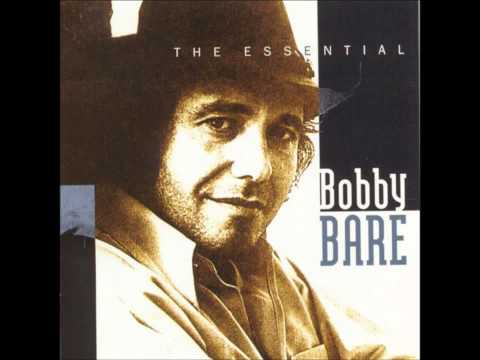



→ More from the 1970s File
View all 1970s hits →




Keep digging