The 1960s File Feature
Shame On Me
The Story Behind Shame On Me by Bobby Bare A Rising Country Voice Finds Pop Success By 1962, Bobby Bare had already established himself as a distinctive voic…
01 The Story
The Story Behind "Shame On Me" by Bobby Bare
A Rising Country Voice Finds Pop Success
By 1962, Bobby Bare had already established himself as a distinctive voice within country music, known for his warm, conversational vocal style and knack for storytelling that translated effectively across both country and pop radio formats. This single arrived during an especially productive stretch of his early career, one that would help cement his reputation as one of Nashville's most reliable crossover artists throughout the 1960s.
A Smooth Blend of Country and Pop Sensibility
The track showcased Bare's ability to blend traditional country songwriting with a smoother, more pop-friendly production style, a combination that helped his records find airplay well beyond the strictly country radio format. It reflected the broader Nashville Sound movement of the era, which increasingly favored polished string and vocal-group arrangements over the rawer honky-tonk instrumentation of the previous generation.
A Strong and Steady Chart Run
The single entered the Billboard Hot 100 on July 21, 1962, debuting at number 83. It climbed steadily over the following weeks, moving to 72, then 59, then 51, then 37, a consistent and impressive ascent that signaled genuine crossover momentum. The song ultimately reached its peak position of number 23 on September 15, 1962, and remained on the chart for twelve weeks total, one of the stronger showings of Bare's early career.
Part of a Genuinely Prolific Period
This single's success arrived amid a broader run of strong chart performances for Bare during the early 1960s, helping establish him as a genuinely bankable crossover presence at a time when relatively few country artists could reliably cross over onto the pop charts with such consistency.
A Career That Would Only Grow
Bare's subsequent career would go on to include numerous additional hits and a lasting reputation as one of country music's most versatile and enduring storytellers, and this single's strong showing helped lay important commercial groundwork for that continued success throughout the following decades of his career.
A Testament to Nashville's Crossover Ambitions
Today, the song remains a solid, representative example of early-1960s Nashville crossover songcraft, a reminder of just how effectively the era's smoother country production could translate into genuine pop chart success for the right performer and song combination.
Give it a spin and hear a young Bobby Bare establishing the sound that would define his career.
"Shame On Me" — Bobby Bare's singular moment on the 1960s charts.
A Crossover Formula That Kept Working
Bare's ability to repeat this pattern of crossover success across multiple singles throughout the early 1960s demonstrated that his appeal was no fluke, but rather a genuinely sustainable formula built on strong songwriting and an inviting, accessible vocal style that translated across formats.
A Foundation for Decades of Storytelling
The narrative sensibility on display here would continue to define Bare's music for decades afterward, as he increasingly gravitated toward story-driven songwriting that eventually made him one of Nashville's most respected voices in that particular tradition.
A Consistent Presence on Two Charts
Throughout this period, Bare regularly found his singles charting on both country and pop formats simultaneously, a dual presence that few of his contemporaries managed with such consistency, further reinforcing his reputation as a genuinely versatile crossover artist.
That dual-chart consistency helped Bare build a devoted following that spanned both traditional country listeners and a broader pop audience increasingly receptive to Nashville's evolving sound throughout this particular stretch of the decade.
That reputation for reliability across formats helped Bare secure a lasting place within Nashville's broader storytelling tradition, one that would continue to define his career across the many decades that followed this particular early chart success.
That legacy still resonates within Nashville circles today.
That crossover consistency remains a genuine hallmark of his early career, one still discussed by dedicated fans and historians of the Nashville Sound era today.
02 Song Meaning
What "Shame On Me" Is Really About
Self-Directed Regret and Accountability
As its title suggests, the song centers on a narrator taking full personal responsibility for a relationship's failure, directing blame inward rather than at a departed partner. That self-accountability distinguished the track from more common heartbreak narratives that tend to focus outward on a partner's wrongdoing rather than the narrator's own role in a relationship's collapse.
Bare's Conversational Vocal Honesty
Much of the song's emotional effectiveness rests on Bobby Bare's warm, conversational vocal delivery, a quality that made his admissions of personal fault feel genuinely sincere rather than performative. That plainspoken honesty became something of a signature element throughout his broader catalog of storytelling-driven country songs.
A Nashville Sound Approach to Heartbreak
The song's smooth, string-accented production reflected the broader Nashville Sound movement's approach to romantic subject matter, favoring polished emotional restraint over the rawer, more unfiltered honky-tonk balladry that had previously dominated the genre's treatment of heartbreak and regret.
A Reflection of Changing Country Songwriting
This song's introspective, self-critical narrative perspective reflected a broader shift underway in early-1960s country songwriting, as Nashville writers increasingly explored more psychologically complex relationship dynamics rather than relying solely on simpler narratives of betrayal or abandonment.
Why It Still Resonates
Even decades later, the song's honest reckoning with personal responsibility continues to resonate with listeners, a reminder that some of the most affecting heartbreak songs are the ones willing to look inward rather than simply assign blame elsewhere.
A Rare Kind of Country Introspection
Most heartbreak songs of the era were content to dwell on loss itself, but this track goes further, asking its narrator to genuinely examine his own role in a relationship's collapse, a layer of self-examination that gave the song unusual emotional depth for its genre and moment.
A Song That Rewards Close Listening
Listeners paying close attention to the lyric's careful, unhurried structure will notice how deliberately it avoids self-pity, choosing instead a tone of quiet, mature acceptance that distinguishes it from more melodramatic contemporaries.
A Model for Later Confessional Songwriting
This kind of candid, self-critical narrative voice would go on to become increasingly common within country songwriting over subsequent decades, and tracks like this one helped establish an early template for that more introspective lyrical approach.
Listeners drawn to more emotionally complex heartbreak narratives continue to single this particular song out as an unusually thoughtful entry within Bare's broader catalog of storytelling-driven country recordings.
That combination of honesty and restraint helps explain why the song has continued to earn quiet appreciation from listeners who value substance over spectacle in their country music.
It remains a quietly affecting song today.
That thoughtful self-examination continues to distinguish this particular recording within his broader catalog even now.
→ More from Bobby Bare
View all Bobby Bare hits →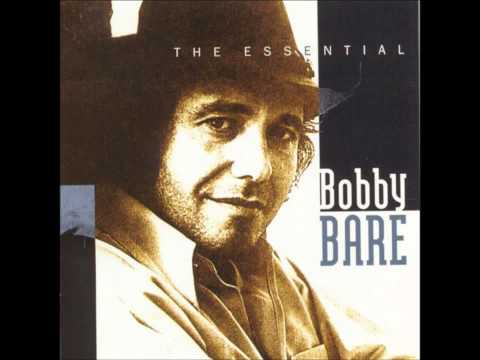




→ More from the 1960s File
View all 1960s hits →




Keep digging