The 1970s File Feature
Will It Go Round In Circles
Billy Preston: Will It Go Round In Circles "Will It Go Round In Circles" was released by Billy Preston on A&M Records in April 1973 and reached number one on…
01 The Story
Billy Preston: Will It Go Round In Circles
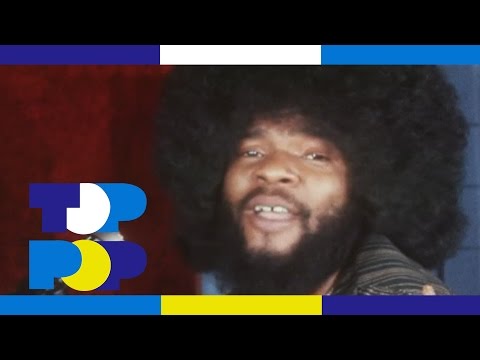
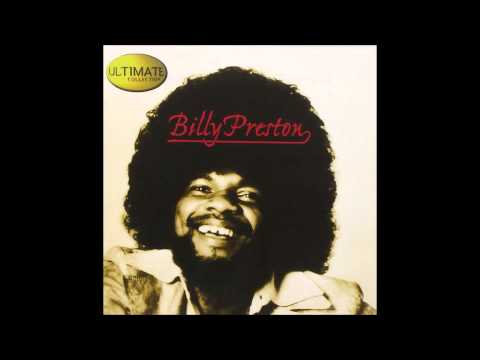
"Will It Go Round In Circles" was released by Billy Preston on A&M Records in April 1973 and reached number one on the Billboard Hot 100, where it spent two weeks at the top position, becoming one of the defining pop-funk singles of the early 1970s. The song was written by Preston and Bruce Fisher, and its combination of a gospel-inflected vocal performance, a rolling funk groove, and an irresistibly absurdist lyrical approach made it one of the most distinctive chart-toppers of its era.
Billy Preston occupied a uniquely credible position in the music world of 1973. He had played organ on the Beatles' rooftop concert in January 1969 and had worked extensively with both John Lennon and George Harrison on post-Beatles projects. Harrison had produced Preston's albums for Apple Records, including the celebrated track "That's the Way God Planned It," and this association with the most famous rock band in history gave Preston a credibility that was unusual for an artist working primarily in the soul and funk idiom. When he moved to A&M Records, he brought this accumulated cultural capital with him.
"Will It Go Round In Circles" was produced by Preston and Billy Preston with assistance from his A&M collaborators, and the recording was made in Los Angeles during a period of exceptional creative productivity for the soul and funk genres. Sly Stone, James Brown, and Curtis Mayfield had established the parameters of politically conscious and rhythmically adventurous Black popular music in the late 1960s and early 1970s, and Preston's work existed in productive dialogue with these developments while maintaining a more mainstream pop accessibility than some of his contemporaries.
The musical construction of the track is deceptively simple but extraordinarily effective. A rolling piano figure provides the rhythmic foundation, supplemented by a rhythm section that locks into a groove of considerable power, and Preston's vocal performance, drawing on his deep roots in gospel music, delivers the absurdist lyric with total conviction. The song reached number one not through sonic innovation but through the sheer authority of its execution, the confidence of a musician who knew exactly what he was doing and did it perfectly.
Preston had been a professional musician since childhood, having performed with gospel acts including Mahalia Jackson and the Caravans before his teenage years, and having played on recording sessions for Little Richard, Sam Cooke, and others before he was twenty. This encyclopedic background in Black American music gave his performances a depth and authority that more technically accomplished but less experienced musicians could not replicate. The naturalness of his gospel-to-funk transition on "Will It Go Round In Circles" reflected an artist who had absorbed these traditions so thoroughly that moving between them required no effort.
The song's commercial success was substantial and sustained. It spent two weeks at number one during the summer of 1973 and remained in the top forty for an extended period, demonstrating the kind of audience loyalty that distinguishes genuine pop phenomena from one-week wonders. The album from which it came, Music Is My Life, also performed well commercially, establishing Preston as a reliable hit-maker in addition to his established credentials as a session musician and collaborator.
The cultural context of 1973 was one in which funk and soul occupied an unusually central position in mainstream American pop. Marvin Gaye's Let's Get It On, Stevie Wonder's Innervisions, and Al Green's continued string of hits all appeared in the same calendar year, suggesting the degree to which Black American popular music was setting the aesthetic agenda for the broader pop marketplace. "Will It Go Round In Circles" benefited from this environment even as it stood apart from the more politically and emotionally serious material produced by some of these contemporaries.
Preston followed the success of "Will It Go Round In Circles" with another number-one hit, "Nothing from Nothing," in 1974, demonstrating that the first chart-topper was not an isolated achievement but part of a genuine commercial peak. In retrospect, this period represents the apex of his chart career, one built on a foundation of musical authenticity and audience connection that reflected his decades of immersive engagement with the traditions he drew upon.
02 Song Meaning
Will It Go Round In Circles: Meaning and Themes
"Will It Go Round In Circles" is a song that operates on an almost paradoxical principle: its lyric is deliberately, cheerfully meaningless, yet it is delivered with such musical conviction and joy that the experience of listening to it feels deeply satisfying. The song presents a series of statements about things that have no particular purpose or destination, things that go nowhere in particular and say nothing specific, and offers these as reasons for celebration rather than despair. The result is one of the most genuinely playful number-one hits in the history of the Billboard Hot 100.
The lyrical strategy is a form of absurdism that has deep roots in the African American oral and musical tradition, a tradition that includes nonsense songs, talking blues, and the deliberate deployment of meaninglessness as a form of wit and even wisdom. By insisting on the value of things that have no obvious value, the song implicitly challenges the utilitarian assumption that meaning must be purposeful and directional. A story that has no moral, a song that has no words to speak of, a bird that flies with no wings: these are paradoxes that invite the listener to consider what they actually expect from art and from experience.
Billy Preston's vocal performance is the essential vehicle for the song's meaning, because the deliberate absurdity of the lyric only works if the delivery is completely committed. Any ironic distance, any hint that the singer recognizes the ridiculousness of what he is saying and wants the listener to share in that recognition, would undercut the song's central effect. Preston delivers the material with the full authority of his gospel-trained voice, treating the nonsense with the same seriousness and conviction he would bring to a hymn, and this commitment is precisely what makes the song so effective and so funny.
The circular imagery of the title and the recurring question "will it go round in circles?" operates on multiple levels. At the most literal level, it continues the song's absurdist logic: circularity, like winglessness, is another form of non-purposiveness. But the phrase also carries a philosophical resonance about the nature of repetition and pattern in human experience. Whether life goes round in circles is a real question, not merely an absurd one, and the song's cheerful refusal to treat it as weighty is itself a philosophical position, an insistence that the circular and the purposeless can be sources of pleasure rather than anxiety.
Within Billy Preston's catalog, the song represents a perfect crystallization of the qualities that made him unique among his contemporaries. His ability to combine deep musical roots in gospel and soul with a lightness of touch and genuine playfulness gave him a tonal range that few artists in any genre could match. "Will It Go Round In Circles" is simultaneously a serious musical achievement and a completely silly song, and the fact that it works on both levels simultaneously is a reflection of Preston's extraordinary musicianship and personality.
The song's enduring popularity is a testament to the genuine pleasure it provides on each encounter. It does not invite analysis so much as participation, and this quality, the capacity to draw the listener into active engagement rather than passive reception, is one of the markers of great pop music regardless of era or genre. Preston achieved this effect not through sophistication or complexity but through the most fundamental musical virtues: groove, conviction, and joy.
The philosophical question embedded in the title never receives an answer in the song, and this is entirely appropriate. The absence of resolution is part of the song's point, just as the story with no moral and the bird with no wings are parts of its point. The song celebrates the experience of circling, of returning to the same pleasure repeatedly, without demanding that this return be justified by any destination or purpose. For a number-one hit on the Billboard Hot 100, this is a remarkably pure aesthetic position.
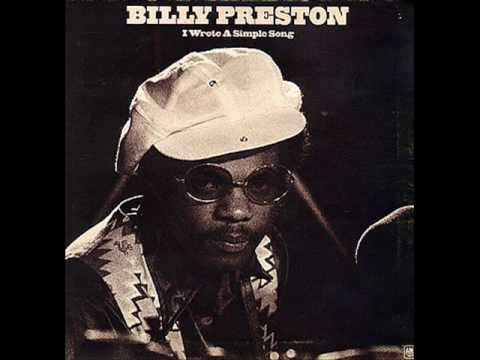
→ More from Billy Preston
View all Billy Preston hits →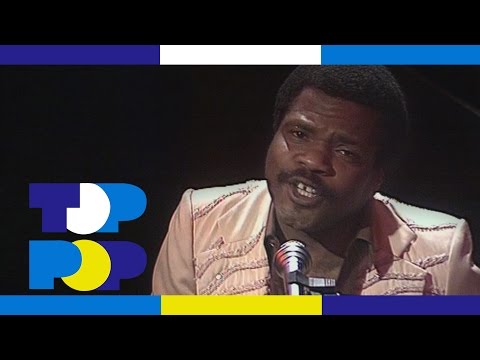
→ More from the 1970s File
View all 1970s hits →




Keep digging