The 1970s File Feature
What's Your Name, What's Your Number
What's Your Name, What's Your Number — Andrea True Connection on the 1970s Charts The winter of 1978 was deep into the disco era's commercial peak, a moment …
01 The Story
"What's Your Name, What's Your Number" — Andrea True Connection on the 1970s Charts
The winter of 1978 was deep into the disco era's commercial peak, a moment when the dancefloor was the most commercially significant piece of real estate in popular music and when producers and artists who understood the format's conventions could build chart careers on the strength of a good groove and a memorable hook. Andrea True Connection had already demonstrated this with their 1976 hit "More, More, More," a track that reached number 4 on the Hot 100 and became one of the era's more memorable dancefloor anthems. "What's Your Name, What's Your Number" arrived as a follow-up designed to capitalize on that momentum while the disco format's commercial vitality was still fully intact.
Andrea True and the Disco Scene
The story behind Andrea True's music career intersects with the late-seventies New York entertainment scene in ways that have been well-documented over the years. She recorded "More, More, More" while in Jamaica working on film productions, using the opportunity to record a commercial disco track that could be released in the American market. The record's success gave her a genuine chart profile and the commercial platform for follow-up records. "What's Your Name, What's Your Number" was among those follow-ups, produced with the intention of replicating the dancefloor appeal of the original hit in a market that was, at that point, still enormously receptive to this kind of material.
The Sound of the Record
The track works squarely within the disco formula that had proven commercially effective for True and her collaborators. The groove is steady and propulsive in the manner that dancefloor programming required, the string arrangements provide the lush backdrop that the format favored, and True's vocal performance delivers the simple but effective hook with the confidence of someone who understood what the dancefloor needed and was prepared to provide it. The production is professional and fully competent within its generic conventions, the work of people who knew their format and executed it without unnecessary complication.
Seven Weeks and a Peak at Number 56
"What's Your Name, What's Your Number" debuted on the Billboard Hot 100 on January 14, 1978, entering at number 90 and climbing steadily over the winter weeks: from 90 to 80, 76, 67, 61. The single reached its peak position of number 56 on February 18, 1978, before beginning to drop as competition from newer releases took its chart space. The record spent seven weeks on the chart in total. While this performance did not match the commercial heights of "More, More, More," a top-60 finish was a genuine mainstream showing that confirmed continued audience interest in True's work during the height of the disco era.
The Disco Market at Its Most Competitive
The Hot 100 in the winter of 1978 was one of the most competitive dancefloor-oriented chart environments in history. The success of "Saturday Night Fever" was about to generate an enormous commercial wave that would carry disco to its absolute commercial peak, and the number of artists, producers, and labels competing for dancefloor and radio attention was at an all-time high. Getting a record to number 56 in this environment required genuine commercial appeal, not just competent production, and the seven-week chart run confirms that "What's Your Name, What's Your Number" had enough of both to hold its position in a very crowded market.
A Document of Its Moment
Andrea True Connection's chart records from this period are interesting now as documents of a specific and brief moment in pop history: the peak of disco's commercial dominance, when a certain kind of record could be reliably produced, promoted, and charted in ways that the subsequent collapse of the format made impossible almost overnight. The 184,000 YouTube views that this record has accumulated in the streaming era speak to listeners curious about this period and about the records that populated it, finding them interesting precisely because of their historical specificity.
For anyone interested in what the disco era sounded like at its commercial height, this is an honest representative. Press play.
"What's Your Name, What's Your Number" — Andrea True Connection's singular moment on the 1970s charts.
02 Song Meaning
The Meaning Behind "What's Your Name, What's Your Number" by Andrea True Connection
Disco at its best was a music of social encounter: the dancefloor as a space where connections were made, identities were performed, and the ordinary social conventions of daily life were temporarily suspended in favor of a more immediate and physical kind of human interaction. Songs that addressed this social landscape directly, that narrated the experience of the club and the encounter in first-person terms, were a staple of the genre because they reflected the experiences of the audience who danced to them. "What's Your Name, What's Your Number" participates in this tradition with the directness that its title announces.
The Direct Address of the Title
The title's questions are the most fundamental social questions of the nightclub encounter: who are you, and how do I reach you again? These questions cut through the elaborate rituals of social engagement that more conventional social settings might require and get directly to the point of connection: establishing identity and creating the possibility of future contact. The directness is itself a form of social comment: on the dancefloor, the pretenses that normally mediate human interaction can be abbreviated, and what remains is the basic human desire for knowing and being known.
Desire and Social Navigation
The disco era produced songs that dealt with desire in ways that were more explicit than most mainstream pop had previously allowed, and "What's Your Name, What's Your Number" belongs within this tradition of relatively frank social and romantic desire. The narrator is not passive in their interest; the questions in the title are active, seeking, pursuing. This posture of active desire, expressed by a female vocal performer, participates in the disco era's broader project of giving women's desire the same public expression and legitimacy that male desire had always received in popular culture.
The Club as Liminal Space
One of the things that disco music documented with unusual clarity was the specific social function of the nightclub as a space outside ordinary social time: a place where normal identities and roles were temporarily suspended, where people could be, if only for a few hours, whoever they wanted to be or whoever the music made them. The question "what's your name" in a club setting has a different resonance than the same question in a more ordinary context, because the name being offered in the club is chosen and performed rather than simply inherited. The song addresses this understanding implicitly, locating its emotional content in the charged atmosphere of the dancefloor encounter.
Disco's Emotional Logic
The emotions that disco music most effectively addressed were those organized around pleasure, desire, and social connection rather than the more anguished interior states that other popular music forms tended to privilege. Andrea True Connection's records operated in this emotional register with complete competence: they were not trying to produce contemplation or catharsis but rather the forward-moving pleasure of the encounter, the physical and social excitement of the dancefloor. The emotional logic of "What's Your Name, What's Your Number" is the logic of the club itself: forward, outward, toward the other person rather than inward toward the self.
A Record of Its Time
"What's Your Name, What's Your Number" is a sincere and competent piece of late-seventies disco, a genre that deserves more serious critical attention than it has historically received. The experiences it addresses, the excitement of social encounter, the desire for connection, the specific electricity of the dancefloor as a social space, are permanent features of human social life that the disco genre addressed with unusual directness and with production values that, at its best, matched the subject matter's energy with genuine craftsmanship.
→ More from Andrea True Connection
View all Andrea True Connection hits →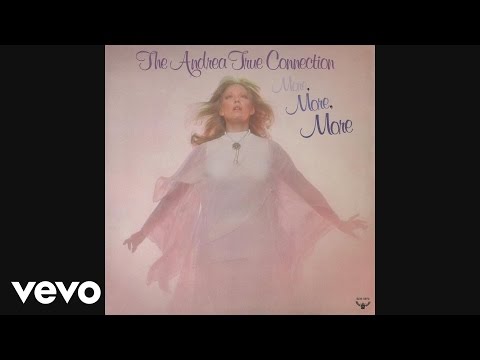
→ More from the 1970s File
View all 1970s hits →




Keep digging