The 1970s File Feature
More, More, More Pt. 1
"More, More, More Pt. 1" — Andrea True Connection and Disco's Relentless Momentum From a Different Kind of Film Set to the Charts The backstory behind "More,…
01 The Story
"More, More, More Pt. 1" — Andrea True Connection and Disco's Relentless Momentum
From a Different Kind of Film Set to the Charts
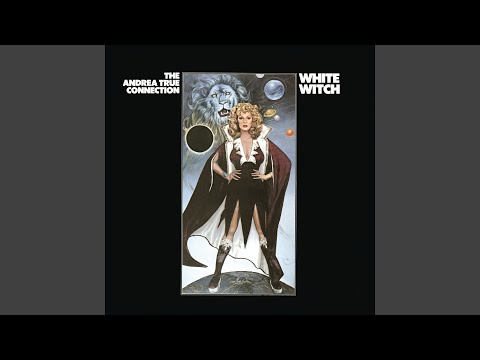
The backstory behind "More, More, More Pt. 1" is among the more unexpected in 1970s pop music. Andrea True had been working as an adult film actress in New York when a legal situation in Jamaica, where she had been filming a commercial, left her temporarily unable to leave the island or access her earnings. Looking for something to do and a way to make money, she connected with producer Gregg Diamond, and together they recorded what would become one of the defining disco singles of 1976. The song was tracked partly in Jamaica, and the experience of recording in a different musical environment contributed to a sonic character that stood apart from the polished, studio-bound sound of much New York disco production at the time.
Gregg Diamond and the Production
Producer Gregg Diamond shaped the recording into something that captured the essential qualities of the disco moment, a driving four-on-the-floor rhythm, polished horn arrangements, and a vocal performance that conveyed pleasure and energy without demanding complexity from the listener. The production was lush without being overcrowded, and Diamond's arrangement gave the track a momentum that made it impossible not to move to. The Jamaican recording sessions added a slight tropical warmth to the proceedings, a texture that distinguished the record from the more aggressively urban sound of the Studio 54 milieu with which disco was most frequently associated. True's voice, clear and confident, rode the production with an ease that belied the unusual circumstances of the recording.
An Epic Chart Run
The single entered the Billboard Hot 100 on March 13, 1976, at position 98. What followed was one of the more impressive chart journeys of the disco era. The record spent twenty-five weeks on the chart in total, an exceptional run that reflected both the breadth of its appeal and the durability of its dance floor effectiveness. It climbed steadily through the spring and early summer, eventually reaching its peak of number 4 on July 17, 1976. That peak placed it among the most commercially successful disco singles of the year in the company of records from artists who had devoted full professional careers to the genre. For an artist whose path to a recording studio had been so unconventional, the result was remarkable by any measure.
The Disco Era Context
The summer of 1976 was near the midpoint of disco's commercial dominance. The genre had moved from underground dance clubs in New York and Philadelphia into the mainstream of American radio, and record labels were actively searching for acts that could deliver the sound. The specific pleasure economy of the disco record, built around the dance floor and its social rituals, made certain qualities essential: a strong beat, a memorable hook, and a vocal performance that communicated enjoyment without irony. "More, More, More Pt. 1" delivered all three with unusual efficiency, and its chart performance confirmed that the formula had connected with audiences well beyond the club scene that originally nurtured the genre.
Legacy and the One-Hit Question
Andrea True's subsequent recordings failed to replicate the success of her debut, making her one of the era's quintessential one-hit artists. The song itself, however, has maintained a presence in popular culture through its use in film, television, and advertising, and through the dance music tradition that has consistently returned to the original disco recordings for inspiration and samples. The track's 4.4 million YouTube views speak to ongoing discovery across generations of listeners encountering disco history for the first time. Put on your platforms, clear some floor space, and press play. The beat has not aged a day.
"More, More, More Pt. 1" — Andrea True Connection's singular moment on the 1970s charts.
02 Song Meaning
"More, More, More Pt. 1" — Desire, Excess, and Disco's Emotional Philosophy
Wanting More as a Way of Life
The title is the thesis. "More, More, More" is not a complicated emotional statement, and that directness was entirely appropriate to both the genre it inhabited and the cultural moment it occupied. Disco in its commercial peak was a music of unabashed appetite, a genre that reveled in pleasure, excess, and the immediate gratification of the body on the dance floor. The song's lyrical content matched that orientation with complete coherence: more sensation, more connection, more of whatever is making this night feel this way. In a pop landscape that had recently emerged from several years of earnest introspection, the sheer unapologetic energy of that demand felt like a collective exhale.
The Disco Dancefloor as Social Space
Songs like "More, More, More Pt. 1" were not intended to be listened to so much as experienced through the body in a communal setting. The disco dancefloor of the mid-1970s was a genuinely radical social environment, one of the few public spaces in American life where gay men, women, people of color, and working-class revelers occupied the same space on roughly equal terms. Music that served that space had to function as collective permission, as invitation and affirmation for the experience of uninhibited pleasure. The song performed that function with unusual effectiveness, its relentless momentum and Andrea True's vocal energy making release feel not just available but inevitable.
The Female Voice in Disco
Disco produced an exceptional roster of female vocalists who brought authority, sensuality, and personality to the genre. True's contribution to this lineage was a directness that matched the song's lyrical simplicity, a voice that knew exactly what it wanted and said so without apology. This confidence was itself a cultural statement in a period when women's public expression of desire was still subject to significant social policing. The disco dancefloor offered a context in which that expression was not just tolerated but celebrated, and artists like True gave the culture its soundtrack. The fact that True's personal history was unconventional by mainstream pop standards added a layer of authenticity to her vocal performance.
Repetition as Ecstasy
The musical structure of disco relied heavily on repetition, the same rhythmic pattern extending through a track for minutes at a time, building in intensity while maintaining the fundamental groove. This was not laziness or lack of imagination but a deliberate structural choice that mirrored the experience the music was designed to facilitate. On the dance floor, repetition creates trance; the body loses its self-consciousness and becomes part of a larger rhythmic organism. "More, More, More Pt. 1" understood this principle and built it into every element of its arrangement, from the persistent four-on-the-floor kick drum to the recurring vocal hook that gave the track its name and its emotional core.
The Song After Disco
When the anti-disco backlash of 1979 and 1980 attempted to erase the genre from mainstream American culture, songs like "More, More, More Pt. 1" were temporarily pushed to the margins. But house music, electronic dance music, and every subsequent genre descended from the 1970s dancefloor has kept returning to these originals as foundational texts. The song's 4.4 million YouTube views confirm that the appetite for its particular brand of pleasure has never fully disappeared. The anti-disco movement failed, as all attempts to suppress popular pleasure ultimately fail; the music simply went underground for a decade and then came back louder.
→ More from Andrea True Connection
View all Andrea True Connection hits →
→ More from the 1970s File
View all 1970s hits →




Keep digging