The 1960s File Feature
Grizzly Bear
Grizzly Bear: The Youngbloods Between Folk and Psychedelia There's a moment in the mid-1960s when American folk-rock started shedding its earnestness and pic…
01 The Story
Grizzly Bear: The Youngbloods Between Folk and Psychedelia
There's a moment in the mid-1960s when American folk-rock started shedding its earnestness and picking up a looser, more playful edge, guitars starting to shimmer with a psychedelic haze that had not quite arrived at full bloom yet. The Youngbloods caught that moment precisely with "Grizzly Bear," a late-1966 single that found the group still a year away from the song that would define their entire legacy, working out a sound somewhere between jug-band whimsy and the electric folk-rock sweeping New York's Greenwich Village scene at the time.
A Village Band Before Its Signature Song
The Youngbloods formed in New York's Greenwich Village folk scene, a hub that had already produced Bob Dylan and countless other acts translating acoustic folk traditions into the electric rock idiom taking over American radio. By late 1966, the band, fronted by Jesse Colin Young, had not yet released the song that would become their defining statement, the gentle, brotherhood-themed anthem that would take years to actually become a hit in its own right after its initial release. "Grizzly Bear" represents the band in this earlier, still-forming period, experimenting with a sound that mixed folk instrumentation with a rock rhythm section and a distinctly loose, good-humored energy throughout.
A Playful, Rootsy Arrangement
The track leans into a rollicking, almost novelty-adjacent arrangement, built on acoustic and electric guitar interplay with an upbeat, danceable rhythm that stands apart from the more solemn folk-protest material dominating parts of the same scene at the time. That playful quality reflected the era's growing appetite for folk-rock that did not take itself too seriously, music built as much for enjoyment as for message, a lighter counterpoint to the increasingly weighty subject matter surrounding much of 1966's political folk output on the same New York circuit.
A Winter Climb Into the Top 60
Billboard tracked a gradual rise through the final weeks of 1966 into early 1967. "Grizzly Bear" debuted on the Hot 100 on December 17, 1966 at number 95, climbing steadily through the holiday season before reaching a peak position of number 52 during its peak week of February 11, 1967. The record held its place on the chart for ten weeks total, a genuinely solid showing for a still-developing band working several steps outside the mainstream pop machinery of the moment and without a major radio push behind it.
An Early Marker in a Band Still Finding Itself
In hindsight, this single reads as a transitional artifact, the sound of a genuinely talented band still assembling the pieces that would soon coalesce into their more enduring legacy on the American rock landscape. The Youngbloods' next chapter would bring them far greater and more lasting cultural recognition, but "Grizzly Bear" remains a worthwhile listen precisely because it captures them mid-formation, folk roots and rock ambitions colliding in real time on a single three-minute recording.
A Charming Detour Worth Rediscovering
For listeners who only know the band through their later, more famous work, this single offers a genuinely charming detour, proof that the group's sense of craft extended well beyond the song history remembers them for. It is looser, funnier, and more physically playful than their reputation might suggest, a reminder that folk-rock in this period contained real range.
A Footnote That Rewards Attention
Music historians tracing The Youngbloods' evolution tend to treat this single as a minor footnote, but it deserves more attention than that reputation suggests, a genuinely fun record from a band whose catalog would soon turn toward gentler, more meditative territory. Hearing them cut loose here offers a fuller picture of a group with more range than their later reputation always credits them for.
Cue it up and hear a band still sketching out who they were about to become.
"Grizzly Bear" — The Youngbloods' singular moment on the 1960s charts.
02 Song Meaning
The Meaning Behind "Grizzly Bear"
"Grizzly Bear" leans into playful, almost folkloric imagery rather than the direct romantic or political statements common to much of the mid-1960s folk-rock scene The Youngbloods emerged from in New York. The animal-themed title signals a lighter, more whimsical intent from the very outset, situating the song closer to American folk and jug-band storytelling traditions than to the era's more solemn singer-songwriter fare dominating the same clubs.
Whimsy as a Deliberate Choice
Where so much of the Greenwich Village folk scene in the mid-1960s leaned into protest and pointed social commentary, this song's animal-centered playfulness reads as a conscious tonal choice, proof that the same scene producing pointed political folk could also generate music built purely around good humor and rhythmic pleasure. That range reflects how broad the folk-rock umbrella actually was during this period, encompassing far more than the earnest protest image it is often remembered by in retrospective accounts.
Roots in American Folk Tradition
The animal-character device the song employs draws on a long lineage of American folk and blues storytelling, where animals often stand in for human behavior, emotion, or specific social situations. By working within that older tradition, The Youngbloods connected their still-forming sound to something rooted and historical, even while dressing it in a contemporary rock arrangement built specifically for radio play.
A Band Testing Its Range
The song's loose, good-natured energy also reveals a band testing the outer edges of its own identity, unafraid to sound unserious a full year before recording the more contemplative, message-driven song that would eventually define their legacy for generations of listeners. That willingness to range between playful and profound speaks to a group genuinely exploring its capabilities rather than settling immediately into a single fixed mode, a trait shared by many of the strongest acts to emerge from the Greenwich Village scene during this fertile creative period.
Why It Found an Audience
Listeners responded to the song's infectious, uncomplicated energy at a moment when American pop and rock audiences were hungry for both the substantive and the purely fun in roughly equal measure. Its steady climb through the winter of 1966 into 1967 suggests a record that built its audience through simple, replayable enjoyment, a reminder that not every folk-rock record from this fertile period needed to carry the weight of a generational statement to find genuine, lasting listeners.
Why This Detour Still Matters
For a band later associated with quiet, contemplative songwriting, a record this playful complicates the easy narrative, and complication is generally where the more interesting version of any artist's story actually lives, especially for a group as versatile and quietly ambitious as The Youngbloods ultimately proved themselves to be.
→ More from The Youngbloods
View all The Youngbloods hits →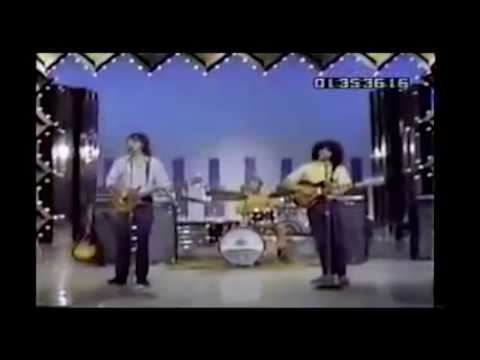
→ More from the 1960s File
View all 1960s hits →




Keep digging