The 1960s File Feature
So Much In Love
So Much in Love — The Tymes: History Philadelphia had been producing important popular music for years by the time the Tymes arrived with "So Much in Love" i…
01 The Story
So Much in Love — The Tymes: History
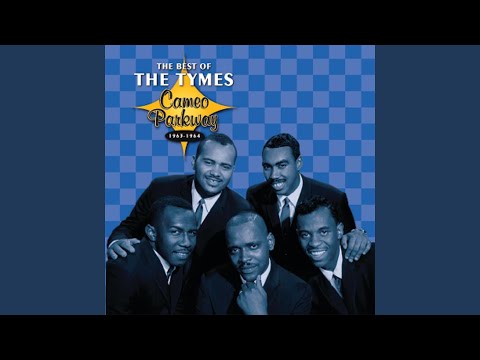
Philadelphia had been producing important popular music for years by the time the Tymes arrived with "So Much in Love" in the summer of 1963, but the record announced something new in the city's musical contribution to American pop. The Tymes were a vocal group whose approach blended the doo-wop tradition of the late 1950s with a smoother, more polished execution that anticipated the direction Black pop music would travel across the following decade. Their timing was precise: "So Much in Love" arrived at a moment when American popular music was between major movements, after the first rock and roll wave had crested and before the British invasion reshaped the landscape, and it rose directly to the top of the charts in that relatively open space.
"So Much in Love" was released on the Parkway label, a Philadelphia-based independent that had achieved significant success with the twist recordings of Chubby Checker and was actively developing new acts. The Tymes had formed in Philadelphia's urban neighborhoods and had been refining their sound through the kind of neighborhood rehearsal and local performance experience that had produced the most accomplished doo-wop groups of the previous decade. Their lead singer, George Williams, had a vocal quality that was unusually warm and assured, combining range with an emotional directness that made the group's material feel genuine rather than formulaic.
The production was handled with an eye toward giving the group's natural vocal talents the space they needed to make an impression. The arrangement was not elaborate by the standards of the major label productions of the period; it relied heavily on the vocal interplay between Williams and the background singers, with the instrumental backing providing support rather than competing for attention. This approach allowed the full quality of the Tymes' ensemble work to come through, which was the right decision given that the voices were the group's primary asset.
The record reached number one on the Billboard Hot 100 in August 1963, an achievement that placed the Tymes at the very pinnacle of American popular music for the week of their peak chart position. This was a genuine cultural event, not merely a commercial metric. Reaching number one on the Hot 100 during the pre-British-invasion era of 1963 meant competing with some of the most commercially powerful acts in the world, including the later recordings of the girl group era and the ongoing production of the Brill Building songwriting machine. The fact that a smooth, understated vocal group from Philadelphia could ascend to that position spoke to the universal emotional accessibility of their material.
The song spent weeks on the Hot 100, generating radio airplay across a range of formats and reaching a genuinely diverse national audience. Its sound was warm enough to appeal to adult contemporary listeners while remaining rhythmically engaging enough for the younger audience that drove singles sales during this period. This broad appeal was characteristic of the best records of the pre-rock-era transition, the material that could hold the center of the pop marketplace before the categorical divisions that rock and soul would impose on the chart became fully established.
The chart success brought the Tymes onto the national television and concert circuit, placing them in the company of the other major pop acts of the moment. They appeared on programs that showcased the full range of American popular music in 1963, from the teen idol fare that dominated in the immediate aftermath of early rock and roll to the smooth orchestral pop that remained commercially dominant among adult audiences. The Tymes could function comfortably in any of these contexts because their music was stylistically flexible within the pop mainstream.
The Parkway label promoted the record aggressively, recognizing that the combination of the group's vocal talent and the song's broad accessibility represented a genuine commercial opportunity. The label's investment in radio promotion was rewarded with the chart performance that followed, demonstrating that independent labels in the early 1960s were fully capable of generating number one hits when the material was strong enough to merit the investment.
"So Much in Love" is regularly cited in histories of Philadelphia soul and of American doo-wop as one of the defining recordings of the transitional moment between classic doo-wop and the smoother vocal group sound that would dominate the mid-1960s. The Tymes did not sustain a career of equivalent commercial impact after their initial breakthrough, but this recording secured their place in the history of American popular music. It stands as evidence of the quality of vocal talent that Philadelphia's musical community was producing during this period and of the particular emotional appeal of the smooth vocal group style at its best.
02 Song Meaning
So Much in Love — The Tymes: Meaning
"So Much in Love" inhabits the most fundamental territory of the American popular song: the direct expression of romantic feeling, uncomplicated by irony, ambivalence, or narrative complexity. The song's meaning is rooted in its sincerity. It is a record that believes completely in the emotional state it describes and communicates that belief to listeners through the quality of its performance. In an era when American pop was producing material across an enormous range of emotional registers, the Tymes succeeded by going directly to the most basic and universal of them.
The lyrical subject matter, conveyed through the narrator's address to a beloved, centers on the sufficiency of the romantic relationship as a source of happiness and emotional completeness. The world described in the song is one in which two people walking together beside water, entirely absorbed in one another, need nothing else to make the moment perfect. This is romantic contentment rather than longing, arrival rather than anticipation, and its emotional specificity is what makes it memorable. Not all love songs inhabit this particular register of settled happiness, and the Tymes found in it a warmth that is distinct from either the urgency of desire or the pain of loss.
George Williams's lead vocal is the primary vehicle of the song's meaning. The warmth in his voice communicates something beyond the information in the lyrics themselves. He sounds genuinely content, genuinely absorbed in the emotional state being described, and that quality of authenticity is what makes the record function as more than skillful technical execution of a well-crafted song. The best vocal performances in popular music add a dimension of felt reality to their material, and Williams's work on this recording achieves exactly that.
The background harmonies carry the doo-wop inheritance of the recording most explicitly. The style of vocal arrangement, the way the background voices support and echo the lead without obscuring it, reflected the training that street-corner harmony singing provided to the best vocal groups of the period. This harmonic richness gave the song a kind of enveloping warmth that matched its lyrical content. Listeners were not just hearing words about romantic contentment; they were hearing music that enacted a kind of auditory equivalent of that contentment through the beauty of the ensemble vocal sound.
The song's success as a number one pop hit in the summer of 1963 reflects something about the emotional needs of its audience during that specific moment. The first half of the 1960s was a period of considerable social anxiety in the United States, with the Civil Rights movement intensifying, nuclear tensions continuing from the previous decade, and a sense that the social consensus of the 1950s was under pressure from multiple directions. Popular music that offered uncomplicated emotional warmth met a real need in that context, providing a space of comfort that the larger social world was not consistently offering.
For Philadelphia soul as a developing tradition, "So Much in Love" carries meaning as an early articulation of what would become the city's signature sound: a smoothness and emotional warmth that distinguished Philadelphia's soul music from the harder edges of the Memphis and Detroit approaches. The Tymes' vocal style anticipated the lush, ensemble-focused approach that would define Philadelphia International Records' productions a decade later. Hearing "So Much in Love" in retrospect is to hear a very early version of a musical approach whose fullest expression was still years away, which gives the recording an additional historical resonance beyond its original moment of pop chart triumph.
→ More from The Tymes
View all The Tymes hits →



→ More from the 1960s File
View all 1960s hits →




Keep digging