The 1960s File Feature
I Can't Get Next To You
The Story of I Can't Get Next To You by The Temptations Step into the autumn of 1969 and the sound of Motown was changing fast. The smooth, romantic style th…
01 The Story
The Story of "I Can't Get Next To You" by The Temptations
Step into the autumn of 1969 and the sound of Motown was changing fast. The smooth, romantic style that had defined the label's first golden run was giving way to something funkier, grittier, and more adventurous. At the center of that transformation stood the Temptations, the five-man vocal group from Detroit who had already conquered the charts and were now reinventing themselves under the guidance of a visionary producer. "I Can't Get Next To You" captured that thrilling shift, a song that hit number one and announced a band fearlessly stepping into a bolder new era.
The Temptations in Transition
By 1969 the Temptations were in the midst of a dramatic evolution. Their longtime lead David Ruffin had departed, and the group had embraced a new approach built around shared lead vocals and a more experimental, socially aware sound. This was the era of producer Norman Whitfield, whose psychedelic-soul vision pushed the group into denser, funkier, more cinematic territory. The classic lineup of Otis Williams, Melvin Franklin, Paul Williams, Eddie Kendricks, and new member Dennis Edwards delivered the song with electric energy.
The Sound of Psychedelic Soul
The recording is a showcase for the group's interplay, with the members trading lines and stacking harmonies over a propulsive, funk-inflected groove. Written by the team of Norman Whitfield and Barrett Strong, the same partnership behind several of the group's most ambitious records, the song bristles with rhythmic invention. Each vocalist gets a moment in the spotlight, the leads passed around like a baton, creating a sense of collective excitement that mirrors the song's restless theme of frustrated longing. This democratic approach to the lead vocal was itself a statement, a deliberate move away from the single-star model that had defined the group's earlier hits. The shifting voices keep the listener off balance in the best way, building tension as the song refuses to settle into a single perspective.
A Triumphant Climb to Number One
The single's chart performance was emphatic. It entered the Billboard Hot 100 at number 84 on August 16, 1969, and then surged upward with remarkable speed, leaping to 48, then 30, then 11 and 10 in successive weeks. That momentum carried it all the way to the summit, where it reached number 1 on October 18, 1969. The song enjoyed a long, healthy run of seventeen weeks on the chart, confirming that the group's reinvention had connected powerfully with the public.
A Cornerstone of the Whitfield Era
This number one became one of the defining records of the Temptations' psychedelic-soul period, a sound that would soon yield even more ambitious work. It demonstrated that a group could evolve radically without losing its audience, blending social consciousness, funk experimentation, and irresistible hooks. The song stands as proof of the group's versatility, a band willing to abandon a winning formula in pursuit of something new and arriving at an even greater triumph. Few acts of any era have reinvented themselves so completely and so successfully, and fewer still managed it without alienating the audience that made them famous in the first place.
An Enduring Motown Classic
Decades later the song remains a staple of oldies radio and a beloved entry in the Temptations' towering catalog. Its blend of irresistible groove and vocal fireworks keeps it fresh, and its place in the story of how soul music evolved at the end of the 1960s is secure. Listening today, you can hear the seeds of the funk and socially conscious soul that would dominate the years ahead, all packed into a single restless, joyful record. Press play and feel the energy of five voices riding a funky groove to the top of the charts; this is the Temptations at a fearless creative peak.
"I Can't Get Next To You" — The Temptations' singular moment on the 1960s charts.
02 Song Meaning
The Meaning Behind "I Can't Get Next To You"
For all its funky exuberance, "I Can't Get Next To You" tells a story of frustration, and that contrast is the key to its brilliance. The narrator boasts of having almost limitless powers, the ability to do extraordinary, impossible things, yet none of it means anything because he cannot win the heart of the one person he wants. The song turns omnipotence into helplessness.
Power Without the One Thing That Matters
The lyric builds on a clever conceit: the narrator can perform feats far beyond ordinary human ability, accomplishing the miraculous with ease. He lists these wonders not to brag but to underline a bitter irony. For all his supposed power, the one thing he truly desires remains out of reach. Love, the song argues, cannot be commanded or conquered, no matter how mighty you imagine yourself to be.
The Irony of Helplessness
That gap between the narrator's grand claims and his romantic failure gives the song its emotional sting. The upbeat, celebratory music almost disguises how desperate the situation is. Underneath the groove sits a man who feels powerless precisely where it counts most. This tension between confidence and longing makes the song far richer than a simple love-or-loss number, lending it a wry, self-aware edge.
A Reflection of Its Era
The song arrived during a period of great change, both for the Temptations and for the wider culture. The late 1960s were a time of upheaval and questioning, and even a love song could carry an undertow of restlessness. The energy and slight chaos of the arrangement, with its many voices clamoring at once, mirror a moment when certainties were breaking down and feelings ran high. The frustration in the lyric fits that charged atmosphere.
Why Listeners Connected
Audiences embraced the song because its central feeling is universal. Almost everyone has wanted someone they could not have, and felt the maddening sense that no amount of effort or achievement could change that fact. By dressing that ache in such an exuberant, danceable arrangement, the Temptations made heartbreak feel communal and alive rather than mournful, something to move to even as it stung.
A Timeless Emotional Truth
Ultimately the meaning of the song rests on a simple, enduring insight: the things we want most are often the things we cannot control. By wrapping that truth in humor, swagger, and an unforgettable groove, the Temptations created a record that feels joyful and rueful at once. That balance is why the song still resonates, a celebration and a lament rolled into one irresistible package. It lets listeners dance and ache at the same time, which is a rare and durable kind of magic.
→ More from The Temptations
View all The Temptations hits →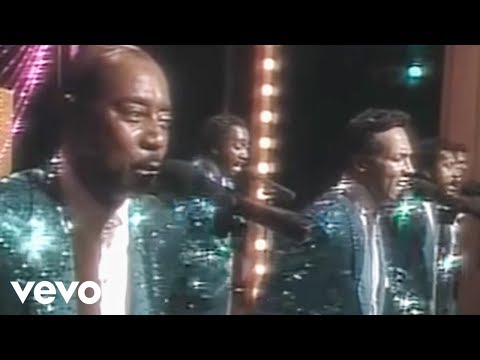



→ More from the 1960s File
View all 1960s hits →




Keep digging