The 1960s File Feature
All I Need
"All I Need" — The Temptations' 1967 Motown Classic Motown in Its Golden Season Spring of 1967 belongs to a particular kind of golden hour in American popula…
01 The Story
"All I Need" — The Temptations' 1967 Motown Classic
Motown in Its Golden Season
Spring of 1967 belongs to a particular kind of golden hour in American popular music. The Motown sound was at the absolute height of its commercial and artistic power, and Detroit's Hitsville USA was functioning as what many observers have called the most productive hit-making operation in the history of American popular music. Berry Gordy's label had refined its assembly-line approach to the single, with staff writers, producers, and session musicians working in rotation to produce material for the label's roster of extraordinary artists. The Temptations stood at the center of that roster, having already established themselves through a string of recordings that demonstrated what could be achieved when exceptional vocal talent met world-class production craft.
The Creation of the Record
"All I Need" was written and produced by Eddie Holland, Lamont Dozier, and Brian Holland, the team universally known as Holland-Dozier-Holland. By 1967 this trio had written and produced a staggering volume of Motown hits, including major recordings for the Four Tops, the Supremes, and the Marvelettes, among others. Their production style for the Temptations brought a particular urgency and drive to the group's already formidable vocal capabilities. The arrangement featured the layered instrumental textures characteristic of the Motown house band, known informally as the Funk Brothers, whose contributions to the label's recordings were fundamental even if their names rarely appeared on record labels at the time. The track's rhythm section provided a forward momentum that suited the song's emotional directness.
The Chart Climb
"All I Need" debuted on the Billboard Hot 100 on April 29, 1967, entering at number 81. From there it moved steadily upward across consecutive weeks, passing through positions 42, 28, and 21 as spring turned toward summer. The climb accelerated through May and into June, and the track reached its peak position of number 8 during the week of June 17, 1967. The recording spent 10 weeks on the Hot 100, a solid run that reflected sustained radio support and strong sales. On the R&B chart, where the Temptations' core audience was concentrated, the record performed even more prominently, as was typical of the group's output during this period.
The Temptations' Vocal Architecture
The group's particular genius, and one of the reasons their recordings have remained compelling across decades, lay in the way individual voices were deployed within ensemble arrangements. By 1967 the classic five-man lineup included David Ruffin, Eddie Kendricks, Paul Williams, Melvin Franklin, and Otis Williams, each bringing a distinct vocal character that producers could move between to create emotional shifts within a single track. "All I Need" showcased this architecture, using the contrast between voices to build and release tension across the song's structure. Ruffin's raw, expressive lead work was particularly suited to the song's intensity, creating a performance that felt both technically polished and emotionally unguarded.
The Broader Context of 1967
The Temptations released "All I Need" at a moment when their commercial trajectory was intersecting with significant creative evolution. Later in 1967 and into 1968, the group would begin working with producer Norman Whitfield on recordings that pushed into more experimental territory, embracing psychedelic elements and social commentary in ways that would define the next phase of their career. "All I Need" belongs to the period just before that shift, representing the Holland-Dozier-Holland approach at its most refined. The song arrived during a year that produced some of the most concentrated hit-making in Motown's history, and its top-ten placement was evidence that the Temptations, even amid enormous competition from their labelmates, could command the very top tier of the chart.
Hearing it now, the record carries all the qualities that made Motown's peak-period recordings so durable: the precision of the arrangement, the urgency of the vocal, the rhythm that makes stillness impossible. It rewards exactly the kind of listening it was built for, pressing play and letting it run.
"All I Need" — The Temptations' singular moment on the 1960s charts.
02 Song Meaning
"All I Need" — Meaning and Legacy of the Temptations' 1967 Recording
Declaration as Form
The title states its position without hedging: "All I Need." This is not a song about ambivalence or uncertainty but about total devotion expressed with the compressed directness that the best Motown singles managed so consistently. The lyrical premise presents romantic commitment not as a sacrifice but as a completion, the idea that one person can serve as the entire emotional world another person requires. Holland-Dozier-Holland's writing understood that this kind of absolute statement, delivered with conviction, was exactly what listeners wanted from a three-minute single. The sentiment might strain under philosophical scrutiny, but in the context of the song's propulsive energy, it lands as truth.
The Emotional Language of Soul
Soul music in 1967 occupied a particular cultural position. Emerging from gospel and R&B, it carried within its conventions a set of emotional codes that audiences understood instinctively: the cry in the voice, the call-and-response structure, the way a lead singer's phrasing communicated vulnerability through apparent strength. The Temptations were exceptional practitioners of this language, capable of giving any lyrical sentiment an emotional weight that transcended the literal content of the words. "All I Need" benefited enormously from this capacity. The vocal performance transformed what might have been a conventional love declaration into something that felt urgent and personal, as if the singer were speaking directly to a single listener rather than performing for a crowd.
Motown's Social Function
The Motown sound served an important social function in the mid-1960s that extended well beyond its commercial role. The label's recordings crossed racial barriers in American radio with unusual success during a period of intense social conflict, reaching white listeners who might not otherwise have engaged with Black artists. The polished production, sophisticated arrangements, and universal emotional themes were deliberate elements of Berry Gordy's crossover strategy, but they also represented genuine artistic achievement. "All I Need" appeared on the charts in the spring of 1967, during a year that included some of the most significant civil rights events in American history, and Motown music provided a point of shared cultural experience that carried its own quiet significance.
The Song Within the Temptations' Arc
Within the Temptations' catalog, "All I Need" occupies a specific position as a late example of the group's Holland-Dozier-Holland period before the Norman Whitfield era transformed their sound. The contrast between these phases is instructive: the earlier period favored emotional directness and romantic subjects, while the Whitfield productions would push toward political consciousness, extended arrangements, and a harder rhythmic approach. "All I Need" belongs to the first of these periods at its most refined, showcasing what the group and their producers had mastered before deliberately challenging those mastered techniques. Both phases produced essential recordings; understanding this song requires recognizing what it was and what it preceded.
Durability and Continued Resonance
The song has continued to find listeners across decades, partly through the general reappraisal of Motown's classic period that has made recordings from these years staples of radio oldies formats, streaming playlists, and documentary soundtracks. The Temptations' recording accumulated over 707,000 YouTube views, evidence of continuing discovery by listeners too young to have heard it on original release. The emotional content ages well precisely because the need it describes, for connection and recognition from another person, does not diminish with time. What changes is the sonic context, which in this case happens to be among the most carefully crafted of any popular music era, making the song as pleasurable to listen to purely as music as it is resonant as an emotional statement.
→ More from The Temptations
View all The Temptations hits →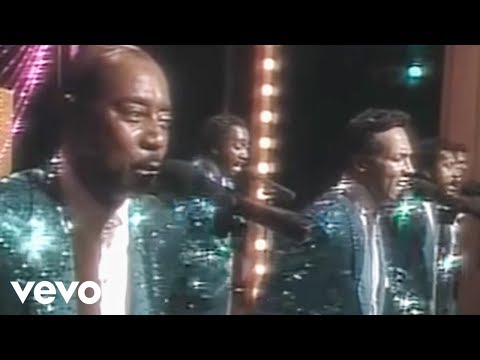



→ More from the 1960s File
View all 1960s hits →




Keep digging