The 1960s File Feature
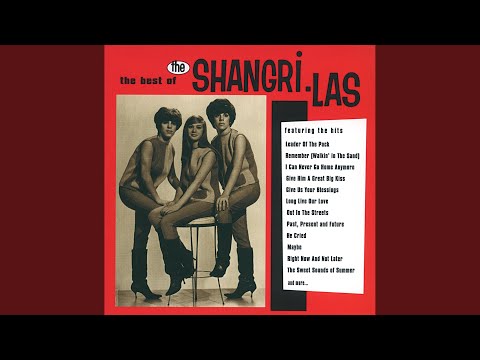
Past, Present And Future
The Story Behind The Shangri-Las' Past, Present And Future Girl Group Royalty in a Genre's Twilight By 1966, The Shangri-Las had already redefined what a gir…
01 The Story
The Story Behind The Shangri-Las' "Past, Present And Future"
Girl Group Royalty in a Genre's Twilight
By 1966, The Shangri-Las had already redefined what a girl group could sound like, trading the sunny optimism of earlier acts for melodrama, spoken-word interludes, and stories laced with heartbreak, danger, and teenage tragedy that felt genuinely cinematic. This song arrived as the girl group era itself was beginning to fade, eclipsed by the British Invasion, psychedelia, and soul music's growing dominance on the charts nationwide. Rather than chase those newer trends outright, the group leaned even further into the theatrical, emotionally raw style that had made them famous, delivering one of the most unusual and haunting recordings of their entire career.
An Unconventional, Classical-Tinged Arrangement
Musically, the track breaks sharply from typical mid-sixties pop convention, built around a stark piano figure drawn from a classical source and a largely spoken, rather than sung, vocal performance from lead singer Mary Weiss. That choice gives the recording an eerie, almost confessional intimacy, closer to a monologue than a traditional pop song structure, and it reflects the fearless, genre-blurring instincts of producer George "Shadow" Morton, the mastermind behind the group's most ambitious and unusual productions throughout their run.
A Vocal Group Willing to Take Real Risks
Few girl groups of the period would have attempted a recording this stark, trading conventional melody for near-spoken narration across long stretches of the track. That willingness to gamble on atmosphere over accessibility reflects just how much creative trust had built up between the group and their producer by 1966, a partnership defined by mutual ambition rather than a strict formula for repeatable hits.
A Modest but Meaningful Chart Run
The single entered the Billboard chart on June 25, 1966, debuting at a lowly number 99 near the very bottom of the chart. It climbed steadily over the following weeks, moving to 84, then 69, then 63, before reaching its peak position of number 59 during the week of July 23, 1966. In total, the song spent six weeks on the Hot 100, a relatively modest showing compared to the group's biggest hits from a year or two earlier in their career, but a testament to the group's remaining, fiercely loyal fan base even as their commercial peak had already passed them by on the singles charts nationally.
Radio's Shrinking Appetite for Drama
Program directors by 1966 were increasingly favoring brighter, more optimistic sounds as the British Invasion's jangling guitars and soul's rhythmic drive took over playlists, leaving less room for the kind of brooding melodrama the Shangri-Las had built their reputation upon. That shift in radio taste makes the song's modest but real chart placement feel like even more of an accomplishment for a group whose signature style was quickly falling out of fashion.
The Sound of an Era Closing
This song's unusual,almost fragile quality can be heard as a fitting bookend to the girl group sound's commercial dominance, a genre that had exploded earlier in the decade and was now giving way to newer sounds and shifting industry priorities across radio. Rather than a triumphant victory lap, this single reads as a quieter, more introspective statement, the group turning inward with an emotionally raw performance just as the pop landscape around them was moving on to other things entirely.
A Cult Favorite That Rewards Rediscovery
Decades later, the song has become something of a touchstone for musicians and critics fascinated by the more experimental corners of sixties pop, its unusual structure and haunting delivery cited as an influence on artists working in far more avant-garde spaces than the girl group tradition it originally emerged from.
Proof of Fearless Reinvention
It stands as proof that The Shangri-Las were never content to simply repeat a winning formula for its own sake. Press play and hear a group willing to risk strangeness in pursuit of something genuinely affecting.
"Past, Present And Future" — The Shangri-Las' singular moment on the 1960s charts.
02 Song Meaning
What "Past, Present And Future" Is Really About
A Guarded Heart Speaking Plainly
The song's lyric unfolds as an intimate, almost confessional address from a narrator who has been badly hurt before and now approaches love with deep caution as a result. Structured around the framework suggested by its title, the words move through reflections on what has already happened, where the narrator stands right now, and what she is or is not willing to risk going forward into any new relationship. That structure gives the song a diaristic, deeply personal quality rare among mid-sixties pop singles of any kind.
Guardedness as Emotional Armor
Rather than pleading for love or promising undying devotion, the narrator instead sets firm boundaries, describing her reluctance to be hurt again after painful past experience. That guardedness is presented not as bitterness but as hard-won self-protection, a realistic, unusually mature response to heartbreak for a genre often associated with more straightforward teenage romantic longing on the radio. It gives the song psychological depth well beyond typical girl group fare of the period.
Grief as an Undercurrent
Given The Shangri-Las' broader catalog of songs steeped in loss and tragedy, listeners familiar with the group's other work often hear an implied history of grief behind the narrator's caution, though the lyric itself never spells that history out directly. That ambiguity leaves room for interpretation, allowing each listener to fill in exactly what kind of hurt shaped this particular wariness.
The Power of the Spoken Delivery
Much of the song's emotional weight comes from its unusual, largely spoken vocal performance, which strips away the usual pop artifice of melody and lets the words land with unfiltered directness on the listener. That choice mirrors the lyric's own themes of vulnerability and caution, as though the narrator can no longer bring herself to sing prettily about something so painful and instead needs to simply say it plainly, almost as a private admission rather than a public performance for an audience.
A Departure From Girl Group Convention
Where much of the girl group genre traded in heightened melodrama, sweeping declarations of love or loss delivered with theatrical flourish, this song opts for something quieter and more psychologically realistic instead. That shift reflects both the group's own evolving artistic ambitions and a broader trend within mid-sixties pop toward more sophisticated, emotionally complex songwriting, as artists across genres began pushing against the perceived limitations of three-minute pop convention.
Why the Song Still Feels Startling
Even decades later, the song's unflinching honesty about emotional self-protection feels strikingly modern, anticipating the kind of frank vulnerability that would become far more common in popular music in later decades of songwriting. That timelessness, paired with its haunting arrangement, is exactly why the song continues to be rediscovered by new generations of listeners drawn to its raw, unguarded emotional core.
→ More from The Shangri-Las
View all The Shangri-Las hits →

→ More from the 1960s File
View all 1960s hits →




Keep digging