The 1960s File Feature
Maybe
“Maybe” by The Shangri-Las: A Teenage Heartbreak Whispered Into 1964 Picture a smoky teenage bedroom at the tail end of 1964, a transistor radio glowing soft…
01 The Story
“Maybe” by The Shangri-Las: A Teenage Heartbreak Whispered Into 1964
Picture a smoky teenage bedroom at the tail end of 1964, a transistor radio glowing softly on the nightstand, and a voice that sounds like it is fighting back tears while still daring to hope for something better. That is the emotional weather of “Maybe,” a record that arrived just as one of the most dramatic girl groups of the entire decade was riding high on a wave of melodrama and mascara-streaked grandeur. The Shangri-Las did not sing pop songs so much as stage tiny operas of adolescent feeling, each one packed with the kind of swooning intensity that made teenagers feel understood. This song is no exception, and it carries every ounce of that signature emotional weight.
Where The Group Stood
By the closing months of 1964, The Shangri-Las were one of the most distinctive acts in all of American pop. Their voices, their sneers, their black-leather attitude, all of it cut sharply against the polished sweetness that dominated so much of the early-decade radio sound. They had already proven, again and again, that they could turn ordinary teenage longing into high theater, and they brought that same fearless intensity to Maybe. The song is a reworking of an older composition, reimagined entirely through the group's singular lens of raw vulnerability dressed up in toughness and bravado. The Shangri-Las built their whole identity on emotional extremes, on the collision of fragility and defiance, and that exact sensibility shaped every single phrase in this performance. They understood their audience completely, and they sang directly to the part of every young listener that felt too much.
The Sound Of The Record
Listen closely and you can hear the unmistakable hallmarks of the era's most ambitious pop production: layered backing vocals that rise and fall like a tide, a yearning, trembling lead, and an arrangement that swells and recedes like a held breath. The track leans into space and silence almost as much as it leans into sound, letting the loneliness breathe and stretch out across the bars. There is a fragility in the delivery that makes the listener instinctively lean in, the way you might lean toward a friend confessing something difficult and private late at night. The production keeps the focus squarely on the ache in the vocal, never burying that emotion under unnecessary ornament. Where other records of the period reached for spectacle, this one reaches for intimacy, and that restraint is precisely what gives it staying power among devoted fans of the group.
A Brief But Real Chart Moment
The numbers tell a modest but genuine story. “Maybe” debuted on the Billboard Hot 100 on December 26, 1964 at number 93, slipping quietly onto the chart at the very end of the year. It climbed only a single rung the following week, reaching its peak of number 91 on January 2, 1965, before fading from view. After just two weeks on the chart, it was gone. For a group already accustomed to far bigger and bolder hits, this was a hushed entry rather than a triumph, the kind of single that earns a little airplay, finds its small circle of devoted listeners, and then drifts into the deep catalog where collectors and obsessives eventually rediscover it years later. That quiet fate, oddly, suits a song so much about uncertainty and the spaces between things.
Its Place In The Story
Songs like this one matter precisely because they are not the famous, oft-anthologized ones. They show an artist working comfortably in their natural register, without the pressure of chasing a guaranteed smash, and that ease reveals something true about who they were. For The Shangri-Las, “Maybe” is a reminder of how completely they owned a very particular emotional territory: the trembling, agonized moment between hope and heartbreak, with the single word that gives the song its title carrying all the unbearable uncertainty of young love. The group turned hesitation itself into drama, and few acts have ever done it better. Decades later, with roughly 156,000 YouTube views keeping it quietly alive online, the track endures as a small treasure for anyone who loves the group's emotionally fearless sound and the era that produced it.
Press play and let it pull you back into that radio-lit bedroom, where every feeling was the biggest feeling in the entire world.
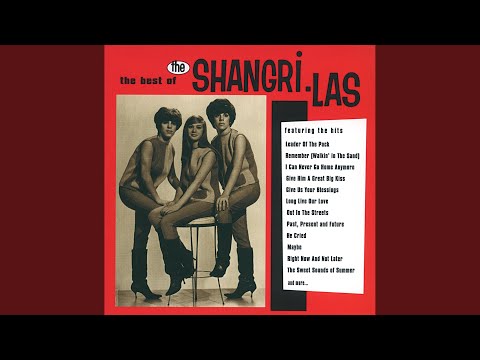
“Maybe” — The Shangri-Las' singular moment on the 1960s charts.
02 Song Meaning
What “Maybe” Really Says About Young Hope
At its very heart, “Maybe” is a song about the agonizing emotional space that sits between giving up entirely and stubbornly holding on. The single word of its title is the whole argument: not a clean yes, not a final no, but the fragile, flickering possibility that things might still somehow turn out alright. It is the sound of a heart that simply refuses to close the door, even when every rational thought says that it probably should. That refusal is what gives the record its quiet power and its lasting emotional pull.
The Central Theme
The lyric circles endlessly around uncertainty in love, the specific kind that keeps a person awake at night replaying old conversations and rehearsing what they would say if only given one more chance. Rather than declaring either triumph or defeat, the song chooses to live in pure suspension, never resolving the question it keeps asking. The power of the record comes from that very refusal to resolve, mirroring the way real longing rarely offers anyone a clean or satisfying ending. The narrator hopes, then doubts, then hopes again, and the listener is carried along on every swing of that emotional pendulum, recognizing the feeling instantly.
Emotion Over Explanation
The Shangri-Las were absolute masters of dramatizing feeling, and here the drama is internal and quiet rather than tragic spectacle. There is no car crash, no doomed cinematic romance played out in vivid detail, just the small, private desperation of waiting and wondering. The vocal performance carries the entire emotional weight of the song, turning a deceptively simple sentiment into something that feels genuinely lived-in and true. That raw sincerity, that sense of a real person caught in a real moment of doubt, is exactly why the song still lands so cleanly with listeners who discover it today.
The Cultural Moment
In late 1964 and early 1965, American teenagers were living through a genuine cultural earthquake, with the British Invasion reshaping the radio dial and youth culture asserting itself louder and more confidently than ever before. Amid all that noise and excitement, songs about private heartbreak still mattered enormously, because the bigger and faster the outside world got, the more intimate feelings needed a reliable soundtrack of their own. Girl-group records gave young women a voice for emotions that society often quietly told them to keep hidden, and that gentle defiance is a meaningful part of the genre's lasting cultural importance. These songs validated the inner lives of an entire generation.
Why It Resonates
The song endures because almost everyone, at some point, has stood exactly where its narrator stands, suspended uncomfortably between wanting to move on and being completely unable to. It does not lecture, and it does not tidy itself up with a neat resolution; it simply sits patiently with the listener in that hopeful, uncertain place. That honesty about emotional limbo is rare in pop, and it gives the record a quiet dignity. For devoted fans of The Shangri-Las, “Maybe” is a perfect distillation of what made the group so special, their uncanny ability to make a single ambiguous word feel like the most important question in the entire world.
→ More from The Shangri-Las
View all The Shangri-Las hits →

→ More from the 1960s File
View all 1960s hits →




Keep digging