The 1960s File Feature
Mr. Farmer
The Story Behind Mr. Farmer by The Seeds Los Angeles Garage Rock Finds Its Voice By the middle of the 1960s, The Seeds had firmly established themselves as o…
01 The Story
The Story Behind "Mr. Farmer" by The Seeds
Los Angeles Garage Rock Finds Its Voice
By the middle of the 1960s, The Seeds had firmly established themselves as one of the defining acts of the entire burgeoning Los Angeles garage and psychedelic rock scene, built around the distinctive, sneering vocal style of frontman Sky Saxon and a stripped-down, organ-driven sound that stood in sharp contrast to the more polished folk-rock and pop productions dominating much of the era's radio output. The band had already scored a genuine hit with "Pushin' Too Hard" the previous year, establishing a template of repetitive, hypnotic riffs paired with confrontational, unpolished vocals that became something of a signature across their catalog.
A Playful, Coded Anthem
"Mr. Farmer" continued that established sonic approach while leaning into lyrical territory that was widely understood, at the time and since, as a thinly veiled reference to marijuana cultivation and use, framed through an agricultural metaphor that allowed the band to skirt some of the more overt broadcast restrictions common to the period. That kind of coded drug reference was becoming increasingly common across psychedelic and garage rock circles during this stretch of the decade, part of a broader wink-and-nudge lyrical tradition that savvy listeners could decode while more casual audiences simply heard a catchy, slightly odd novelty tune.
A Modest but Real Chart Showing
Commercially, "Mr. Farmer" debuted on the Billboard Hot 100 on March 11, 1967, and reached its peak position of number 86 during the chart week of March 18, 1967, spending a brief two weeks on the chart overall. That modest run reflected the song's regional and cult appeal rather than any broad mainstream crossover, a pattern fairly typical for The Seeds, whose sound proved more influential within the garage rock underground than commercially dominant on national radio playlists at the time.
Part of a Defining but Brief Commercial Window
This single arrived during the narrow window in which The Seeds enjoyed their greatest visibility, sandwiched between the breakthrough of "Pushin' Too Hard" and the band's gradual commercial decline as psychedelic rock itself began fragmenting into more elaborate, studio-driven directions by the end of the decade. The band's raw, three-chord aesthetic, which had felt fresh and confrontational in 1966 and early 1967, increasingly found itself overshadowed by more ambitious, orchestrated psychedelic productions coming out of both the West Coast and Britain during the same stretch of years.
An Underground Legacy Larger Than the Charts Suggest
Despite its modest chart placement, this track has endured as a cult favorite among garage rock collectors and historians, frequently cited alongside "Pushin' Too Hard" as evidence of the band's genuine influence on the punk and garage revival movements that would follow decades later. Sky Saxon's committed, theatrical vocal delivery and the song's hypnotic, repetitive structure exemplify exactly the kind of raw, unpolished energy that later generations of underground rock musicians would explicitly cite as direct inspiration for their own subsequent recordings, songwriting choices, and live performances across the decades that followed.
A Formative Chapter Within a Cult Catalog
Within The Seeds' much broader body of work, this particular single represents a clear extension of the confrontational, organ-driven identity the band had already established, evidence of a group fully committed to a singular aesthetic vision rather than chasing whatever commercial trend happened to be dominating the charts at any given moment. That consistency, even at the cost of broader mainstream success, is precisely what later cemented their reputation among garage rock revivalists and record collectors. Press play and hear a band bottling a very specific, mischievous mid-1960s Los Angeles moment.
Even decades removed from its original modest chart run, the track continues circulating among collectors and reissue labels as a defining artifact of a specific, mischievous, and genuinely influential corner of 1960s rock history.
"Mr. Farmer" — The Seeds's singular moment on the 1960s charts.
02 Song Meaning
What "Mr. Farmer" Is Really About
An Agricultural Metaphor With a Wink
On its surface, the song addresses a farmer directly, framed in simple, almost nursery-rhyme language about crops and cultivation. Listeners at the time widely understood this agricultural framing as a coded reference to marijuana growing and use, part of a broader tradition within 1960s rock of embedding drug references inside deliberately ambiguous, radio-friendly lyrical structures. Sky Saxon's playful, knowing vocal delivery reinforces that double meaning throughout the entire track.
Coded Language as Creative Strategy
This kind of lyrical misdirection served a genuinely practical purpose during a period when overt drug references risked radio banishment or outright censorship. By wrapping its actual subject matter inside a folksy, agricultural metaphor, the song could reach broadcast airwaves that a more explicit lyric never would have cleared, while still rewarding attentive listeners who caught the joke embedded within its seemingly innocent surface narrative and casual, sing-song delivery.
A Reflection of Its Countercultural Moment
The song's subject matter, however lightly disguised, reflected the rapidly expanding countercultural drug culture taking hold across Los Angeles and other major American cities during this period. Rock music was increasingly becoming a vehicle for exploring, celebrating, and sometimes satirizing that emerging culture, and this track stands as a fairly direct, if coded, example of musicians speaking to an audience that increasingly shared their specific cultural reference points and lived experiences.
Repetition and Hypnotic Simplicity
Musically, the track relies on a repetitive, almost trance-like structure built around simple, driving instrumentation, a stylistic choice that mirrors and reinforces its lyrical themes of altered perception and repeated ritual. That hypnotic simplicity became something of a hallmark across The Seeds' broader catalog, distinguishing their raw garage rock approach from the more layered, orchestrated psychedelia other bands were actively pursuing during the same period of the decade.
Sky Saxon's Theatrical Persona
Much of the song's coded mischief comes through in Saxon's exaggerated, almost theatrical vocal performance, which treats the lyric's double meaning as something to be savored and performed rather than merely stated. That theatrical instinct extended across much of Saxon's broader public persona during this period, blending genuine musical conviction with a showman's sense of provocation and playful confrontation toward mainstream cultural norms.
Why the Song Still Draws Interest
Today, the track is valued less for its brief chart run and more as a genuine artifact of a specific cultural moment, a coded, playful document of how mid-1960s rock musicians navigated censorship while still speaking directly to an increasingly countercultural audience. Its enduring appeal among garage rock enthusiasts and psychedelic rock historians rests on exactly that combination of raw musical energy and knowing lyrical mischief, qualities that still feel vivid decades after its brief original chart run.
"Mr. Farmer" — The Seeds's singular moment on the 1960s charts.
→ More from The Seeds
View all The Seeds hits →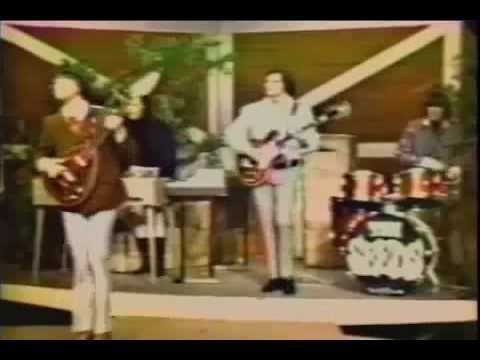

→ More from the 1960s File
View all 1960s hits →




Keep digging