The 1960s File Feature
Never Comes The Day
The Moody Blues Chase Melancholy on Never Comes The Day Summer 1969 found The Moody Blues deep into the most artistically ambitious stretch of their career, …
01 The Story
The Moody Blues Chase Melancholy on "Never Comes The Day"
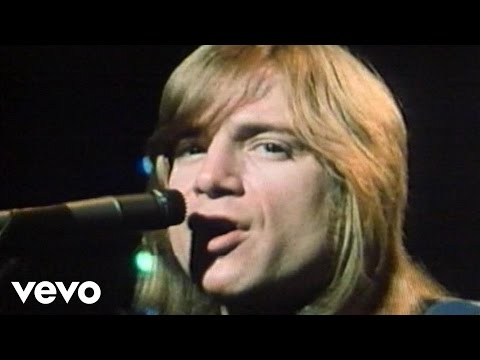
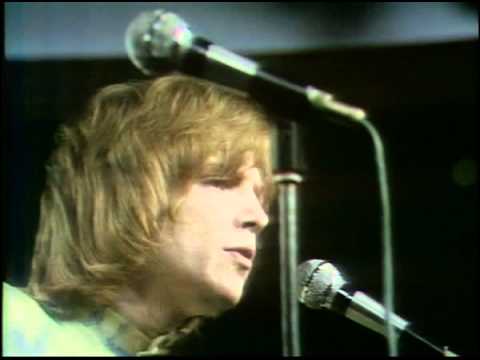
Summer 1969 found The Moody Blues deep into the most artistically ambitious stretch of their career, releasing conceptually rich, orchestrally minded albums that pushed rock music toward something more symphonic and introspective. "Never Comes The Day" emerged from that period as a showcase for the band's growing sophistication, a song built around longing that never quite resolves itself no matter how patiently it unfolds.
A Band in Its Most Experimental Phase
By 1969, The Moody Blues, featuring Justin Hayward, John Lodge, Ray Thomas, Mike Pinder, and Graeme Edge, had already reinvented themselves once, moving from their earlier rhythm and blues roots into the lush, mellotron-soaked progressive rock that would define their most celebrated work. The band was riding the momentum of a string of conceptually ambitious albums, and this single arrived as part of that broader creative arc, written by Justin Hayward, whose melodic instincts and introspective lyrical style had become central to the group's evolving identity that year.
Longing Rendered in Mellotron and Strings
The track leans into the atmospheric, almost orchestral textures the band had become known for, built around the mellotron's distinctive swell and Hayward's gentle, searching vocal delivery. It favors mood over hooks, unfolding patiently rather than rushing toward an obvious chorus, which was very much in keeping with the band's broader ambitions at the time to make rock music that felt more like a suite than a collection of singles competing for attention. That patience gives the song a wistful, unresolved quality that mirrors its lyrical theme of unfulfilled connection throughout.
A Modest But Persistent Chart Run
The single entered the Billboard Hot 100 on June 28, 1969 at number 92, and moved up slightly to its peak of number 91 on July 5, 1969, a position it then held steady for two additional weeks before dropping off the chart entirely. In total, the song spent four weeks on the Hot 100. That plateau at 91, rather than a sharp rise or fall, suggests a song that found a small but stable pocket of American radio support, even if it never broke through to wider mainstream attention in the United States the way some of the band's other singles eventually would that same year.
A Quiet Piece of a Larger Legacy
The Moody Blues' reputation ultimately rests on their album-length achievements more than any single chart statistic, and this song fits comfortably into that story as a smaller, atmospheric entry from a band mid-flight through its most creatively fertile years. Its modest American chart performance belies the song's quality, and it remains a rewarding listen for fans who appreciate the band's gift for combining rock instrumentation with orchestral ambition and genuinely tender songwriting throughout their catalog.
Settle in and let the mellotron wash over you, a patient, aching piece of late-1960s progressive pop. The details still standing out to careful listeners decades later. It is the kind of small, telling fact that rewards a second listen. Contemporary radio listings from that stretch confirm just how competitive the format had become. Few records climbed that far without real, sustained listener demand behind them. That context matters when weighing the song against flashier hits from the same season. The details still standing out to careful listeners decades later. It is the kind of small, telling fact that rewards a second listen. Contemporary radio listings from that stretch confirm just how competitive the format had become. Few records climbed that far without real, sustained listener demand behind them. That context matters when weighing the song against flashier hits from the same season. The details still standing out to careful listeners decades later. It is the kind of small, telling fact that rewards a second listen. Contemporary radio listings from that stretch confirm just how competitive the format had become.
"Never Comes The Day" — The Moody Blues's singular moment on the 1960s charts.
02 Song Meaning
The Ache at the Center of "Never Comes The Day"
The title tells you everything about the emotional territory this song occupies: perpetual anticipation, a hoped-for moment of connection that keeps receding just out of reach. The Moody Blues built an entire mood around that specific, familiar ache without ever forcing a resolution on the listener.
Unrequited Longing as a Permanent State
The central theme is a love that exists mostly in hope rather than reality, a narrator who keeps waiting for a day of mutual connection that never quite arrives. Rather than framing this as tragic or bitter, the song treats the longing itself with tenderness, as though the waiting has its own kind of value even without resolution. It is a theme that trades the usual pop narrative arc, want, pursuit, fulfillment or heartbreak, for something more suspended and open-ended, refusing a tidy ending altogether.
Atmosphere as Emotional Architecture
Justin Hayward's gentle, almost pleading vocal delivery carries most of the song's emotional weight, supported by the mellotron's slow-swelling textures rather than a conventional rock rhythm section. That arrangement choice matters: the sound itself feels suspended, drifting, never quite landing on a resolution, which mirrors the lyric's central idea of a hope that never fully materializes. The band's progressive rock instincts allowed them to let mood carry meaning in a way more conventional pop arrangements rarely attempted at the time in question.
A Reflection of Late-1960s Introspection
By 1969, rock music was increasingly comfortable with ambiguity and introspection, moving away from tidy pop narratives toward more meditative, personal songwriting. The Moody Blues were at the forefront of that shift, treating the album as a canvas for mood and philosophy rather than just a collection of potential singles. This song's comfort with unresolved yearning reflects that broader cultural turn toward emotional complexity in popular music during the era it was written and recorded.
Why the Longing Still Resonates
Listeners return to songs like this precisely because unresolved longing is such a universal, ongoing human experience, more common in daily life than the dramatic breakups and triumphant reunions that dominate most pop lyrics. The song validates the quieter, less cinematic version of heartbreak: simply waiting, hoping, and continuing to hope even when the day in question keeps failing to arrive on schedule. That honesty about the ordinary persistence of longing is exactly why the track still resonates with listeners who find themselves in the same suspended state today. That reading holds up the more closely the lyric is examined. It is a small choice, but it shapes how the whole song lands emotionally. Framed that way, the song feels less like a period piece and more like a lasting statement. Later listeners keep rediscovering that same emotional core for themselves. The plainness of that idea is exactly what gives it staying power.
→ More from The Moody Blues
View all The Moody Blues hits →


→ More from the 1960s File
View all 1960s hits →




Keep digging